


How Charles Burnett Changed Independent Cinema With His Quiet, Powerful Portraits of Black Life
A maestro of the mundane, Charles Burnett created portraits of everyday Black life that exist in between the pages of life’s chapters. His images evoke memories of what’s been forgotten, yet remain familiar. Raised in Los Angeles, CA, Burnett attended film school at UCLA in 1970 and became a key figure in the LA Rebellion, a community of independent Black filmmakers that emerged from the program (others include Julie Dash, Zeinabu Irene Davis, and Billy Woodberry). These directors told stories of Black pride, inequity, and social justice that Hollywood was failing to represent. After decades of telling such intimate stories, Burnett was awarded an Honorary Academy Award for his contribution to film and television in 2017. As part of our August Auteurs series, and in conjunction with the release of the new 4K Restoration of My Brother’s Wedding, we’re celebrating the remarkable Charles Burnett, a filmmaker who has stood the test of time.
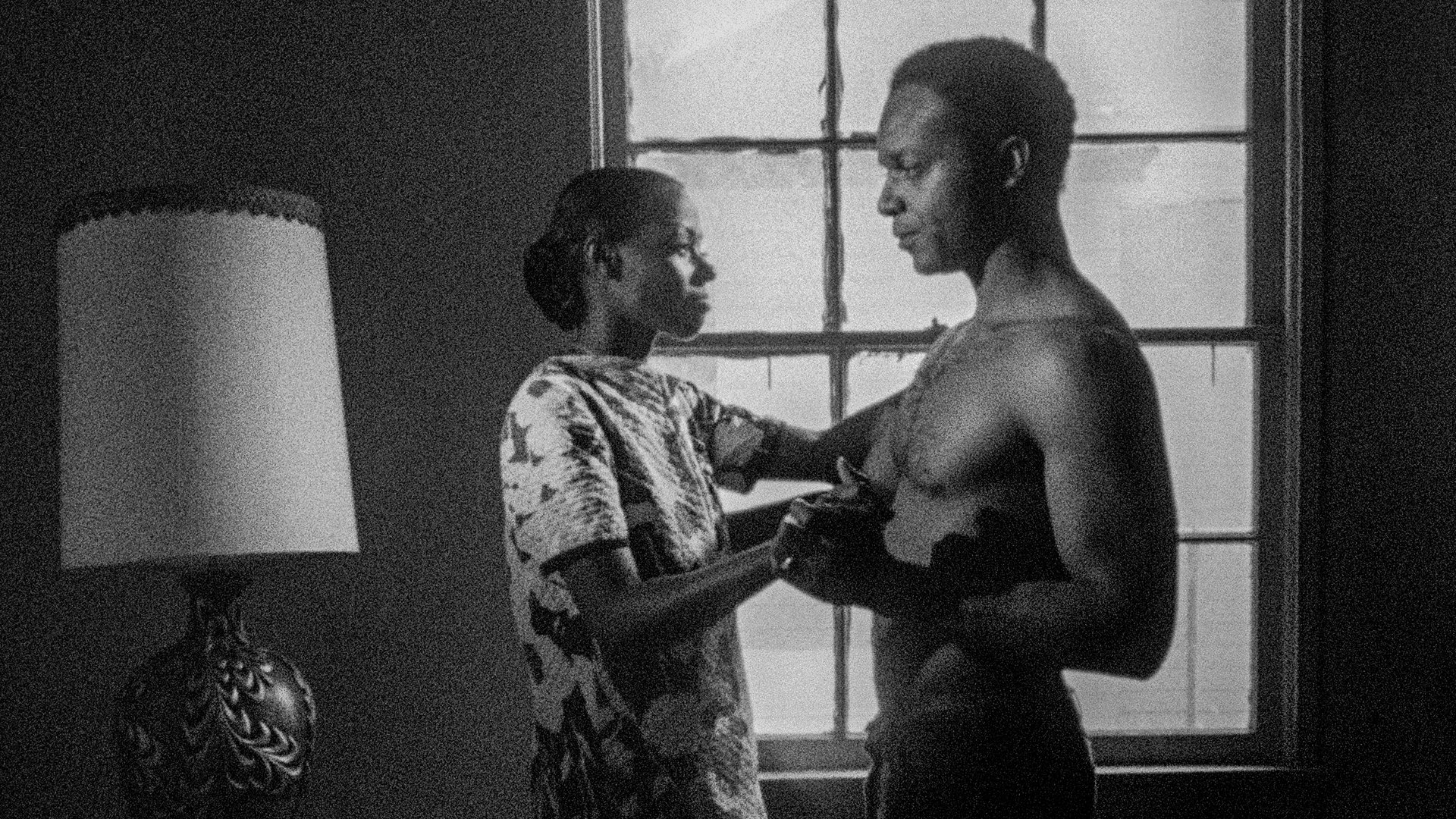
In 1973, Burnett directed his first feature film and final thesis, Killer of Sheep, which was released in 1977. The film follows Stan (Henry Gayle Sanders), an exhausted slaughterhouse worker who struggles to support his family under the economic pressures that many working-class African-Americans felt living in 1970s America. Shot with a minuscule budget and an amateur cast, the film was highly praised for its unique neorealist exploration of Black life in the Watts neighborhood of LA, becoming one of the first 50 films added to the Library of Congress’s National Film Registry.
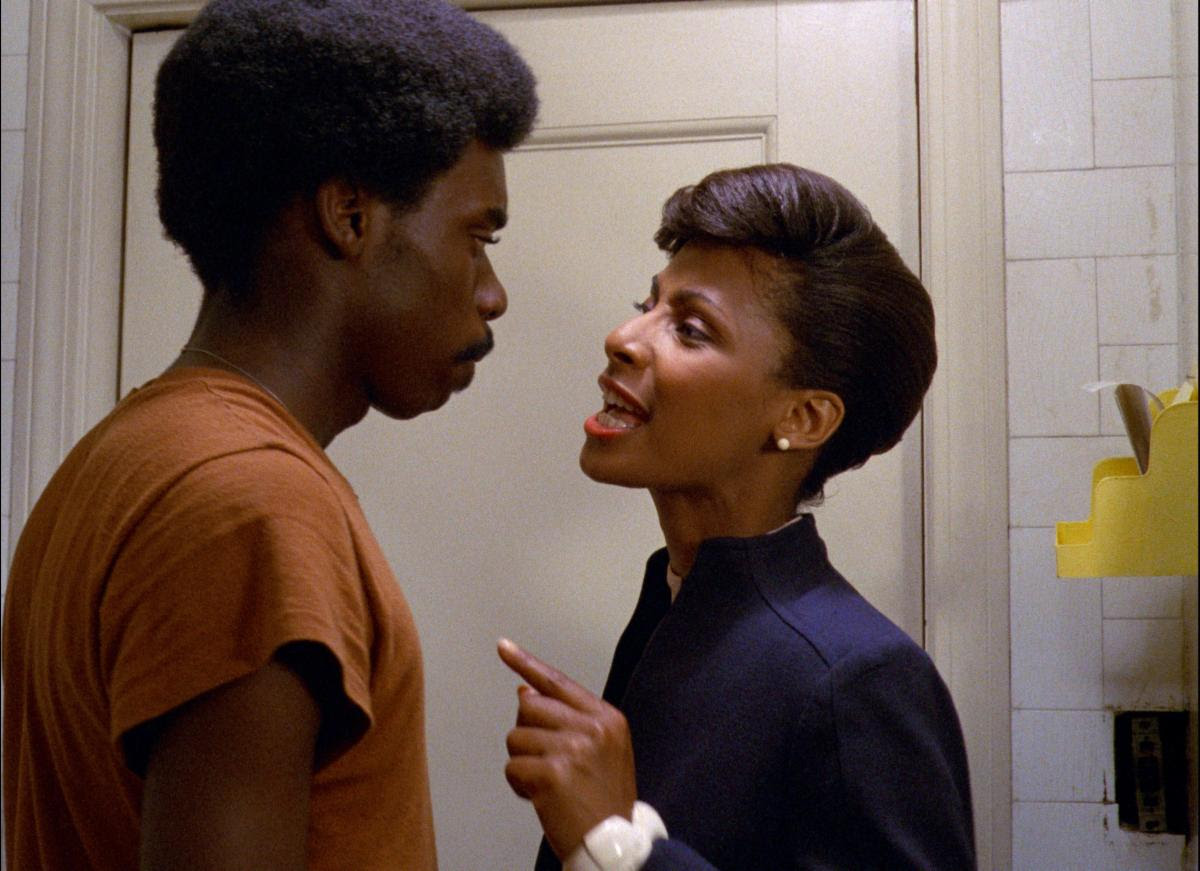
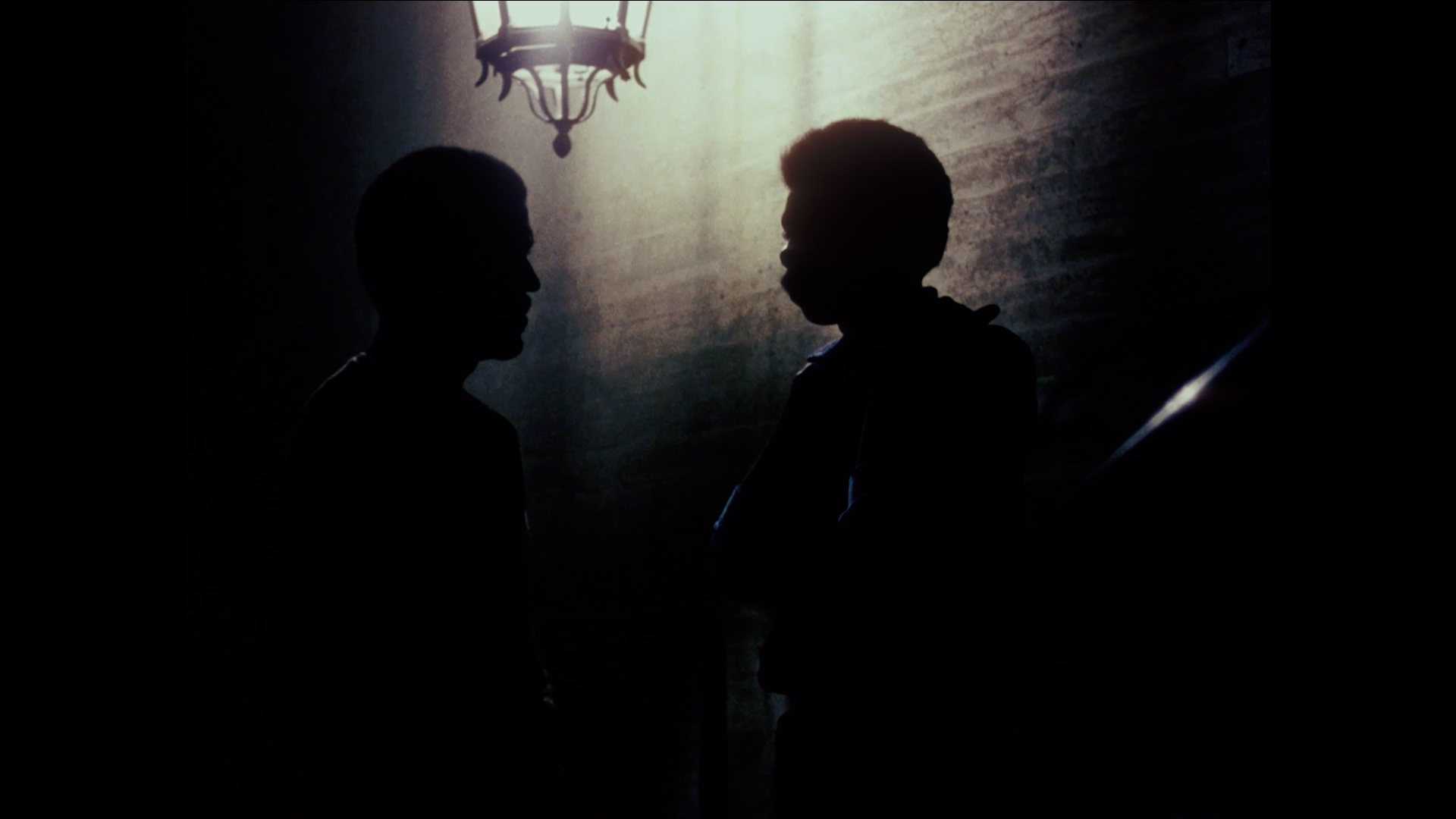
Stills from My Brother's Wedding.
In 1983, Burnett released his second feature film, the tragicomedy My Brother’s Wedding. Set in South Central LA, the film tells the story of Pierce Mundy (Everett Silas), a young Black man who seems to be going through the motions of life, working in his mother’s dry cleaning shop and supporting his family and friends. When his childhood friend Soldier (Ronnie Bell) is released from prison, he rekindles his relationship with the troublemaker despite his flaws. On the contrary, his brother Wendell (Monte Easter) is an up-and-coming lawyer preparing to marry Sonia (Gaye Shannon-Burnett), an upper-middle-class Black woman whom Pierce disapproves of, despite his family's wishes. When Soldier is killed unexpectedly in a car crash, Pierce must choose between attending his friend's funeral or being the best man at his brother’s wedding.
From the beginning, vignettes of Pierce taking care of his grandparents, running errands, and trying to get Soldier a job reveal a tenderness that is often met with disdain by his parents, who disapprove of his lack of motivation. But when Soldier returns, his old friend provides an escape from this reality. Cascaded in darkness, a single lamppost illuminates the silhouettes of both Pierce and Soldier during an intimate conversation. “Who is left?” Soldier asks, referring to their old childhood friends. “It’s just us,” responds Pierce with a solemn loneliness slipping off his tongue, longing for those either deceased or imprisoned.

Still from Killer of Sheep.
Pierce walks through life grasping for the shadow of something that once was, only to be left with nothing in return. A youthful yearning for the innocence of the past follows Pierce and Soldier as they sing together, chase their adversaries across town, and flirt with women. He desires the beauty of life's breath, the spaces between words in which we float above the weight of the world. Parallels can be drawn to the children in Killer of Sheep, who seem to float through the film with a youthful freedom distant from the burdens of adult responsibilities, as characterized through Stan. The iconic shot of the kids jumping over the roof epitomizes this gravity-defying freedom through Burnett's gentle eye. Yet, Pierce is not afforded the same luxuries as an adult. The responsibilities of the future stare him in the face as his brother’s wedding approaches. When Soldier dies, Pierce must choose between mourning his brother-by-choice and the nostalgia of his past or celebrating his brother by blood and welcoming the fear of the future—a dilemma no one around him seems to understand.
Heavily influenced by neorealism, Burnett’s films suspend you in the daily lives of their characters without forcing the audience towards a particular narrative or genre that Hollywood expects. Without conforming to any clichés or stereotypes, he presents his characters without judgement, like pieces of clay that the audience can mold with their own perspectives. They simply exist until, slowly but surely, we begin to understand the internal life and turmoil bleeding its way out. Burnett’s take on the romantic comedy, The Annihilation of Fish (1999), explores these unhealed bruises and looming regrets of the past through an unlikely love story between two elderly people, Fish (James Earl Jones) and Poinsettia (Lynn Redgrave), battling their own demons– literally and metaphorically–-against perpetual loneliness. Through an absurdist and often comedic clashing of tides, both neighbors find themselves intertwined in each other’s unusual realities that ultimately complement one another.
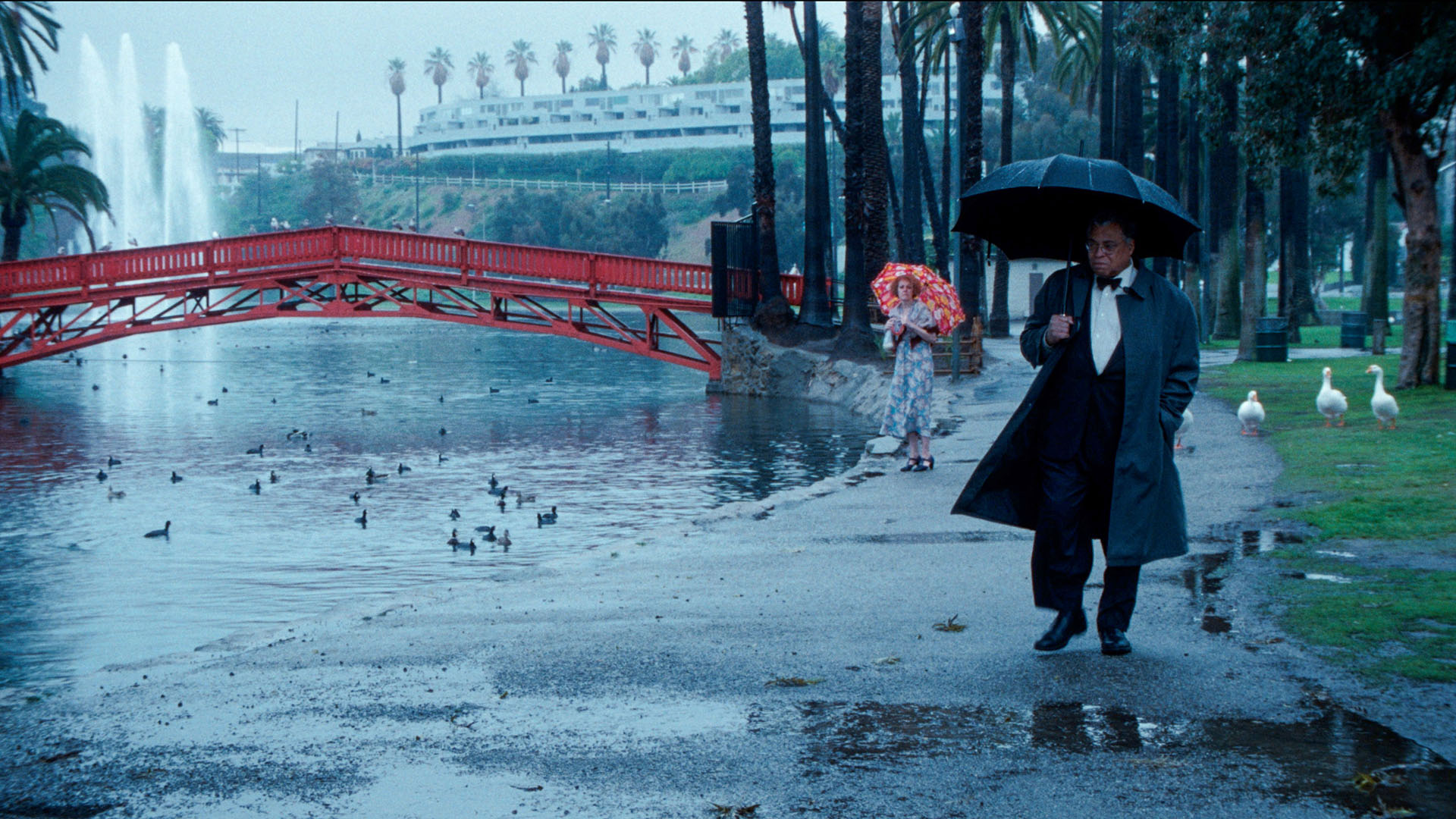
Still from The Annihilation of Fish.
Throughout all of his films, Burnett has consistently managed to suspend the presence of time and space. The landscape of LA becomes expansive as the characters conjure their own cadence walking through its streets day by day. There is no destination defined, or journey delayed. In his films, the characters form their own temporal understanding of the past, present, and future through lived experiences rather than a series of linear events. This is why his films have stood the test of time—because they resist it. The images he paints of grandmothers kissing cheeks, kids throwing rocks, and parents scolding their children are timeless and universal. And the textures he crafts speak directly to the sensibilities of the African-American eye.
Burnett’s films demand patience from the audience, and the director embodies that discipline. The upcoming restoration of My Brother’s Wedding reminds us how he carved his own path as a Black indie filmmaker over the years. His success did not come overnight, nor without its challenges. Following issues with production and a mishandling of the film’s distribution by producers, My Brother’s Wedding was initially released prematurely before the final edit, resulting in an unfinished product that didn’t reflect Burnett’s vision. Almost 25 years later, Milestone Pictures pulled the film from obscurity and released the restored and re-edited film in 2007. Nearly two decades after that, Kino Lorber is now bringing the film back for its well-deserved 4K digital restoration just in time for this renaissance of Burnett.
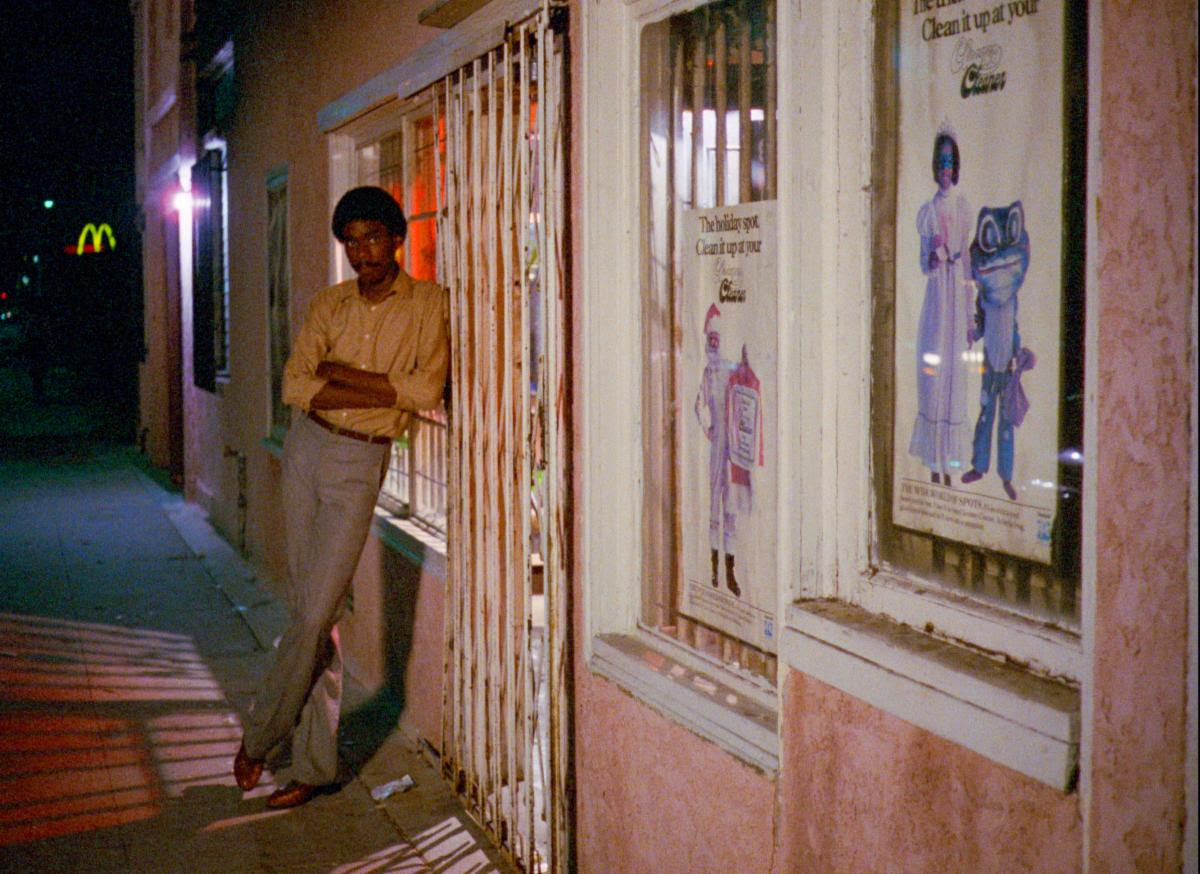
Still from My Brother's Wedding.
Similarly, both Killer of Sheep and The Annihilation of Fish battled decades-long journeys from production to release. Despite its high acclaim, Killer of Sheep spent 30 years in limbo after its initial release due to the costs of uncleared music rights. With the aid of Steven Soderbergh, the music licensing was finally cleared, along with a wide theatrical release in 2007. Last year, Killer of Sheep was given a 4K digital restoration, theatrical re-release, and added to the Criterion Collection Library. Following the premiere of The Annihilation of Fish at the Toronto International Film Festival in 1999, producers pulled out of a distribution deal with the film due to a single bad Variety review. It would sit on the shelf, unavailable on all media for nearly 25 years, until it found distribution again with Kino Lorber and Milestone Films in 2025.
Now My Brother's Wedding joins the legacy of restored Burnett films that continue to inspire generations and find new life. Spanning a remarkable career across five decades, Burnett remains a cornerstone of American independent filmmaking. His films confronted themes of race, class, and politics, while managing to paint an image of working-class African-Americans that is delicate, raw, and honest. His images, newly restored, will continue to stand the test of time. And his legacy of patience will never be forgotten.
You can stream Killer of Sheep and The Annihilation of Fish on Kino Film Collection, and catch the 4K restoration of My Brother's Wedding opening at Film Forum September 18. Check your local theater for screenings outside of New York.
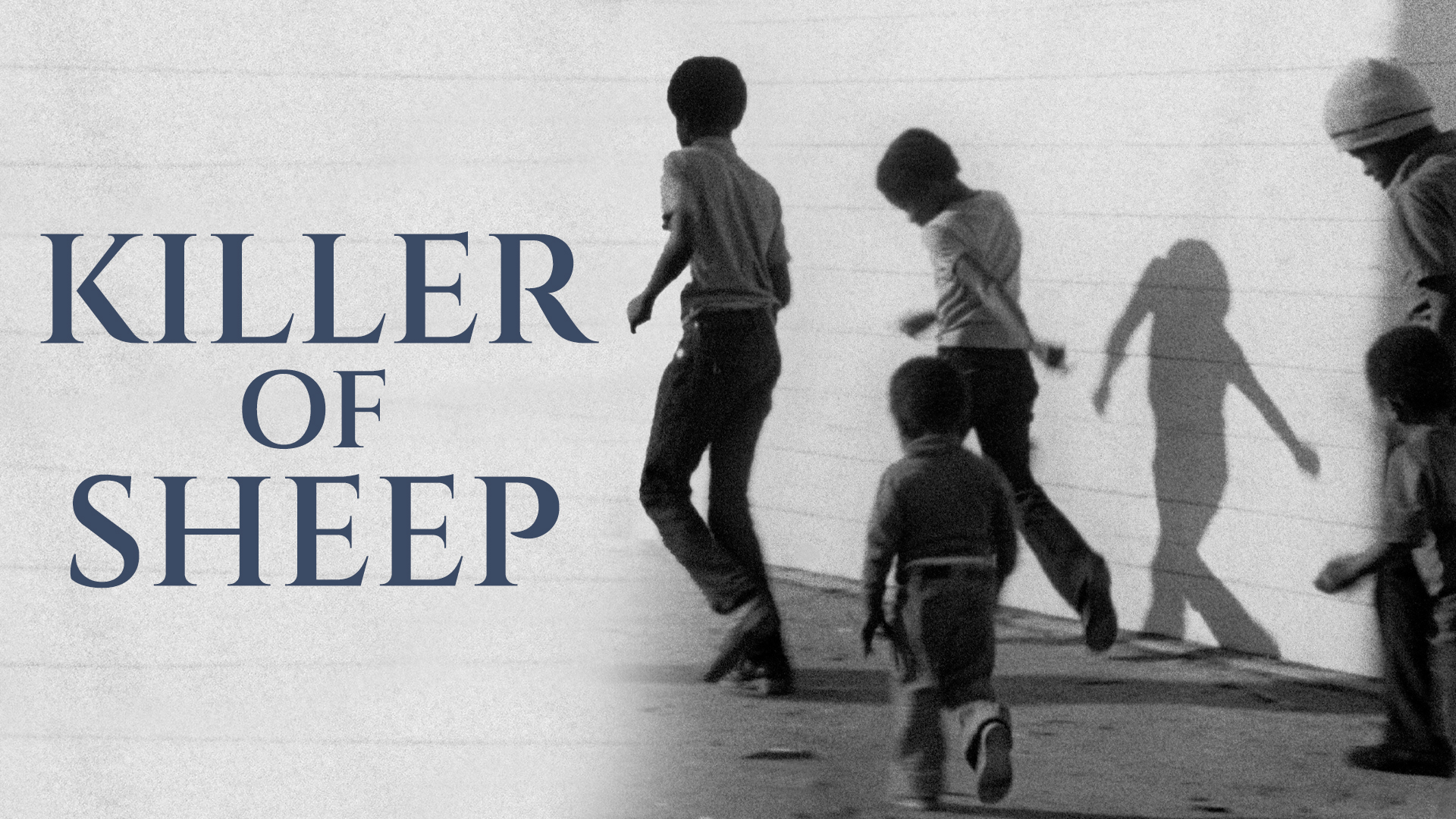
Killer of Sheep (1977)
Charles Burnett’s masterpiece captures the trials, fragile joys, and tenacious humor of Black working-class life in 1970s Los Angeles. Centering on a weary slaughterhouse worker, the film blends lyrical beauty with a stark neorealist style, offering a rare and deeply nuanced portrait of everyday life in American cinema.

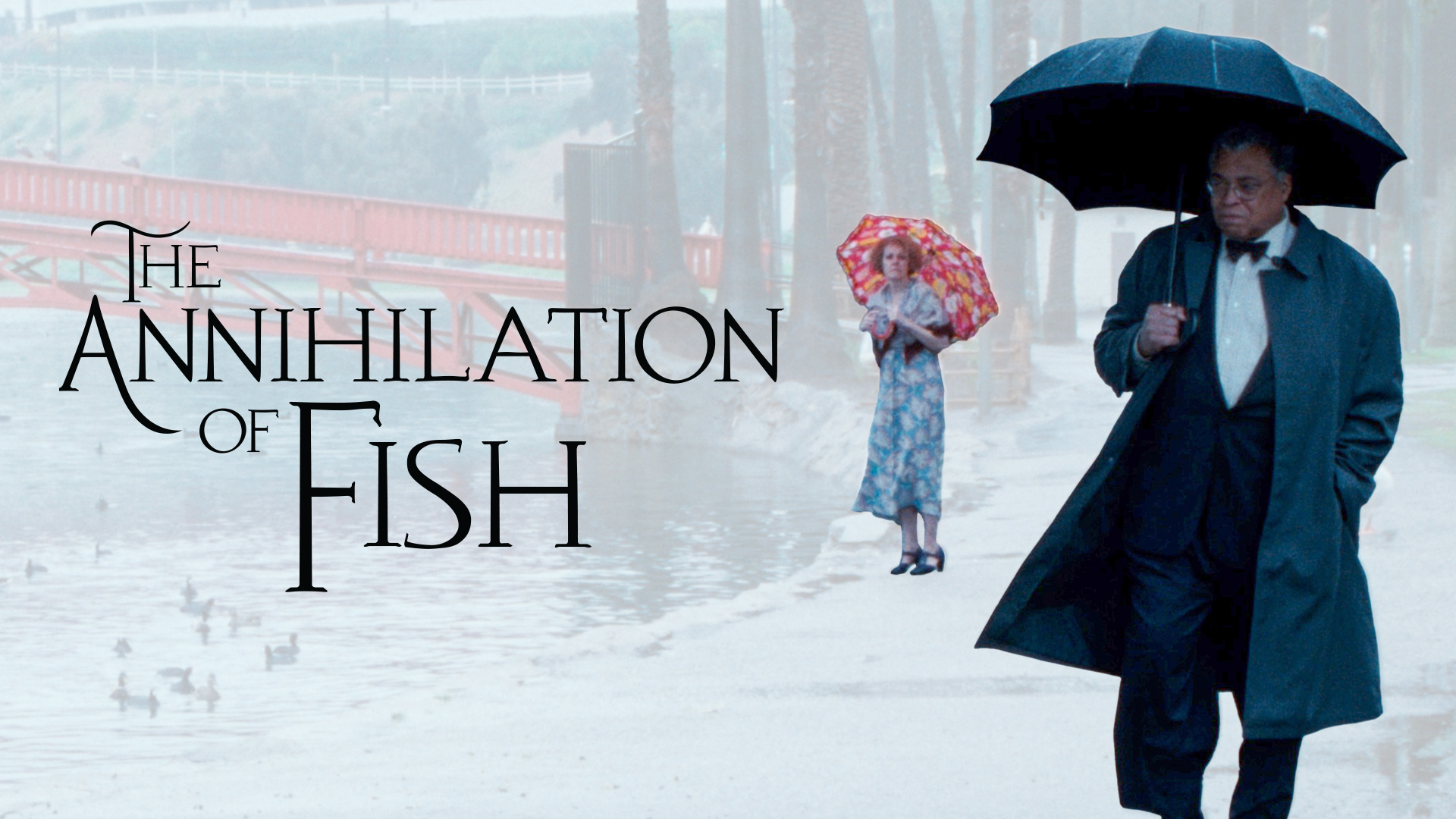
The Annihilation of Fish (1999)
In Charles Burnett’s charming film, Lynn Redgrave plays a former housewife with an imagined lover, opera composer Puccini. She moves into a L.A. boarding house where she meets a Jamaican widower, Fish (James Earl Jones), recently released from a mental institution despite his continued battles against unseen demons. In the face of personal challenges and differences, the couple grows together.