


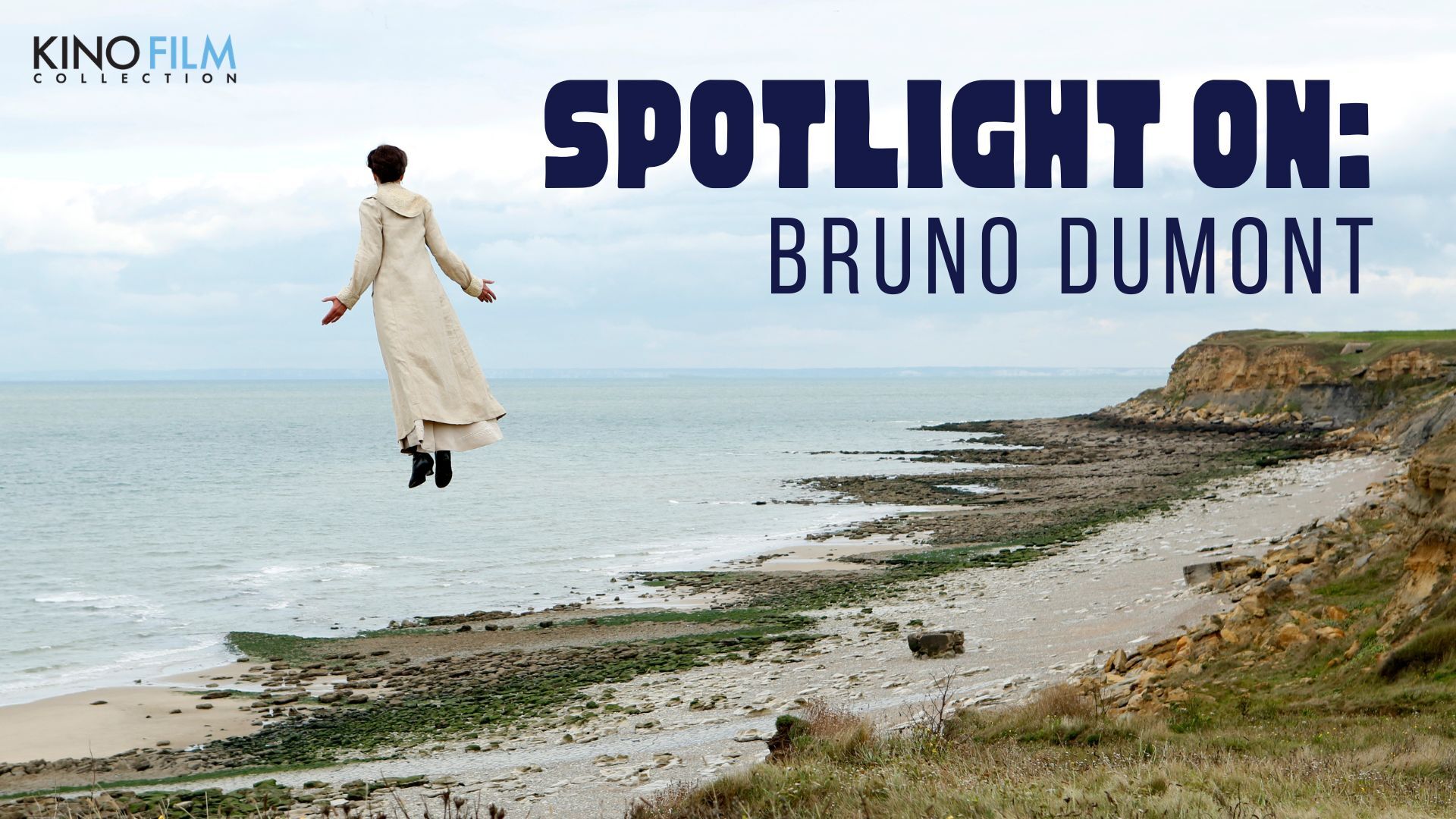
Who Is Bruno Dumont? The French Director Is a Master Shapeshifter
Few contemporary directors have the ability to swing boldly between styles without giving audiences cinematic whiplash. Bruno Dumont is not only capable of this stylistic and tonal 180, but he’s done so without losing his signature essence. Whether he’s creating works of austere realism or concocting madcap films of outrageous farce, Dumont draws on recurring motifs that help his eclectic body of work maintain an auteuristic throughline: regional specificity, faces that feel found rather than cast, and a tension that can tip into slapstick at any moment. In honor of The Empire joining Kino Film Collection this week, we’re taking a look at the shapeshifting yet unmistakable nature of Bruno Dumont’s filmography.
Dumont emerged in the late 1990s as a provocateur who pushed the boundaries of form and comfort. His early films like La Vie de Jésus (1997) and L’Humanité (1999) employed unflinchingly long takes, nonprofessional performers, and a raw, almost primitive view of sex and violence. Set in northern France, these films use landscape and environment to create a moral backdrop against which flat fields, gray skies, and unusual yet ordinary faces evoke the basest layers of humanity, a distinctly Dumontian take on themes of spirituality and religion.
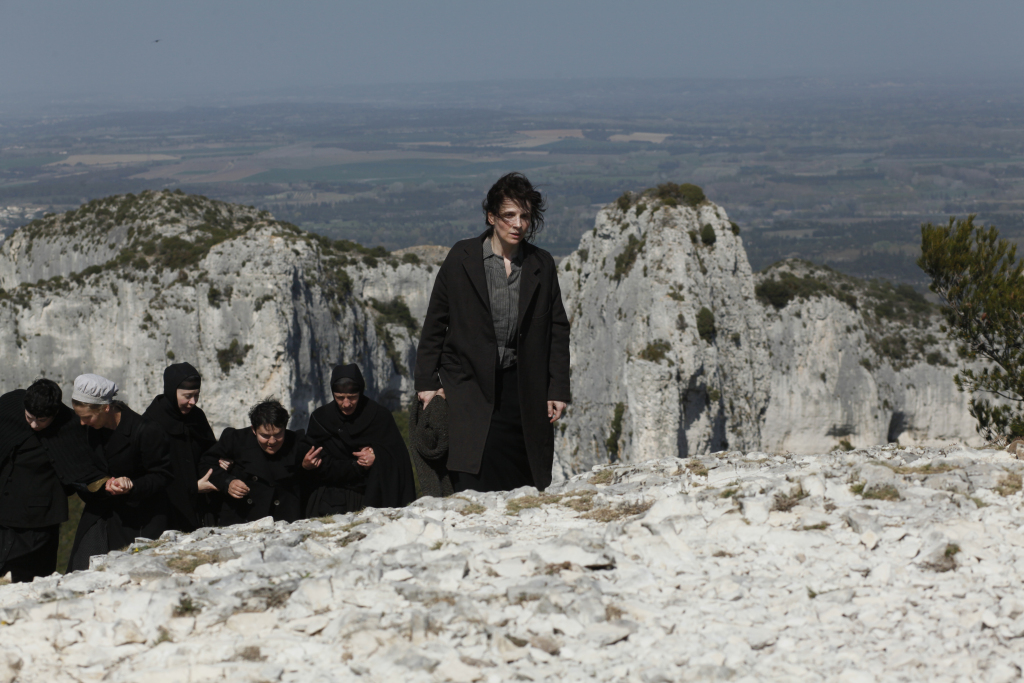
Throughout the 2000s, Dumont pushed the tension between the sacred and the profane to new extremes. In films like Twentynine Palms, Flanders, Hadewijch, and Hors Satan, the director dialed everything up: the sex and violence, the discomfort, the simmering tension disguised as silence. Exploring themes like war, martyrdom, and isolation with equal bleakness and poignancy, Dumont cemented his reputation as one of Europe’s most unforgiving auteurs.
Then something shifted. Dumont made his first distinct pivot with 2013’s Camille Claudel 1915, the first of his films to feature an internationally famous actor: Juliette Binoche. Tonally, the film, which follows the sculptor’s brief institutionalization, showcases a tenderness that had perhaps been laying dormant all along.
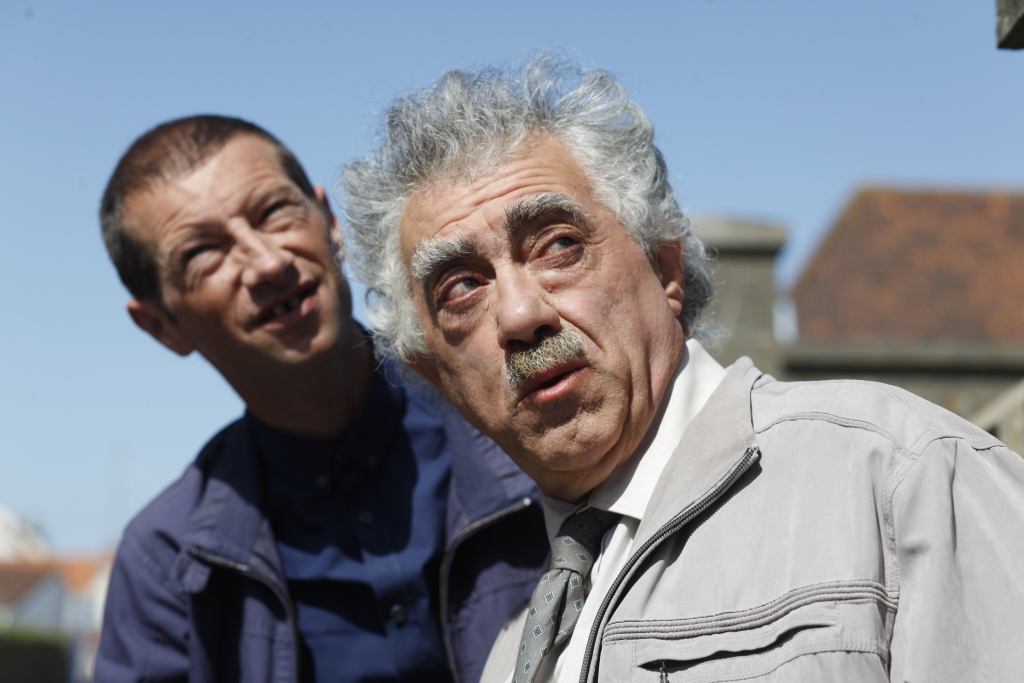
From there, Dumont continued to explore his softer side with comedy while maintaining the edge and unease of his earlier works. Two prime examples are Li’l Quinquin (2014), an absurdist murder mystery featuring a bumbling hapless detective at its center, and Slack Bay (2016), an unabashed slapstick satire on class, featuring Binoche and a cast that “seems to have drunk their bodyweight in absinthe.” With his 2021 film, France, Dumont turns his deadpan lens on media culture. Starring Léa Seydoux as a celebrity journalist whose life and public persona are turned upside down, the film swings from satire to melodrama and back, brandishing Dumont’s signature pendulum within the same film.
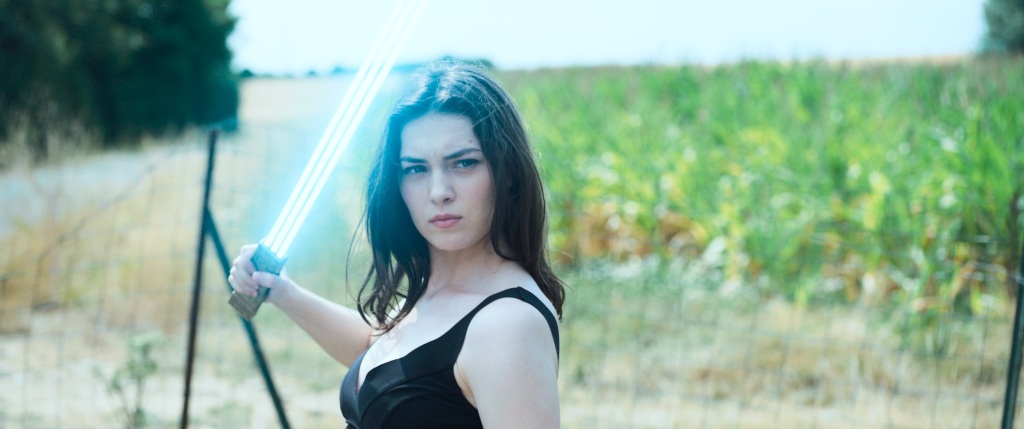
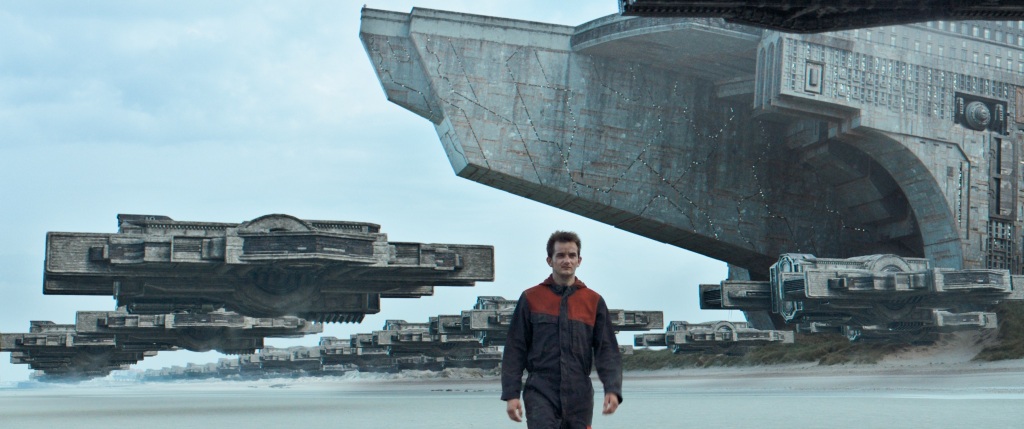
If Dumont’s filmography thus far can be distilled into any sort of playbook, he rips it up entirely with his latest film. The Empire (2024) follows two opposing extraterrestrial forces, the “good” One and the “evil” Zero, who unleash a secret war on Earth when a special child is born. Part rollicking space opera, part satire on the human race, The Empire is a drastic departure even for a leapfrogger like Dumont, but familiar calling cards are present: nonprofessional actors, moments of extreme sex and violence, religious symbols, the Northern French setting, and the teetering balance between banality and absurdity. Hailed as a “singular cinematic experience,” The Empire signals an exciting new direction for Dumont and proves, once again, that the director can do just about anything and make it his own.
Stream The Empire and four other essential Bruno Dumont films on Kino Film Collection.
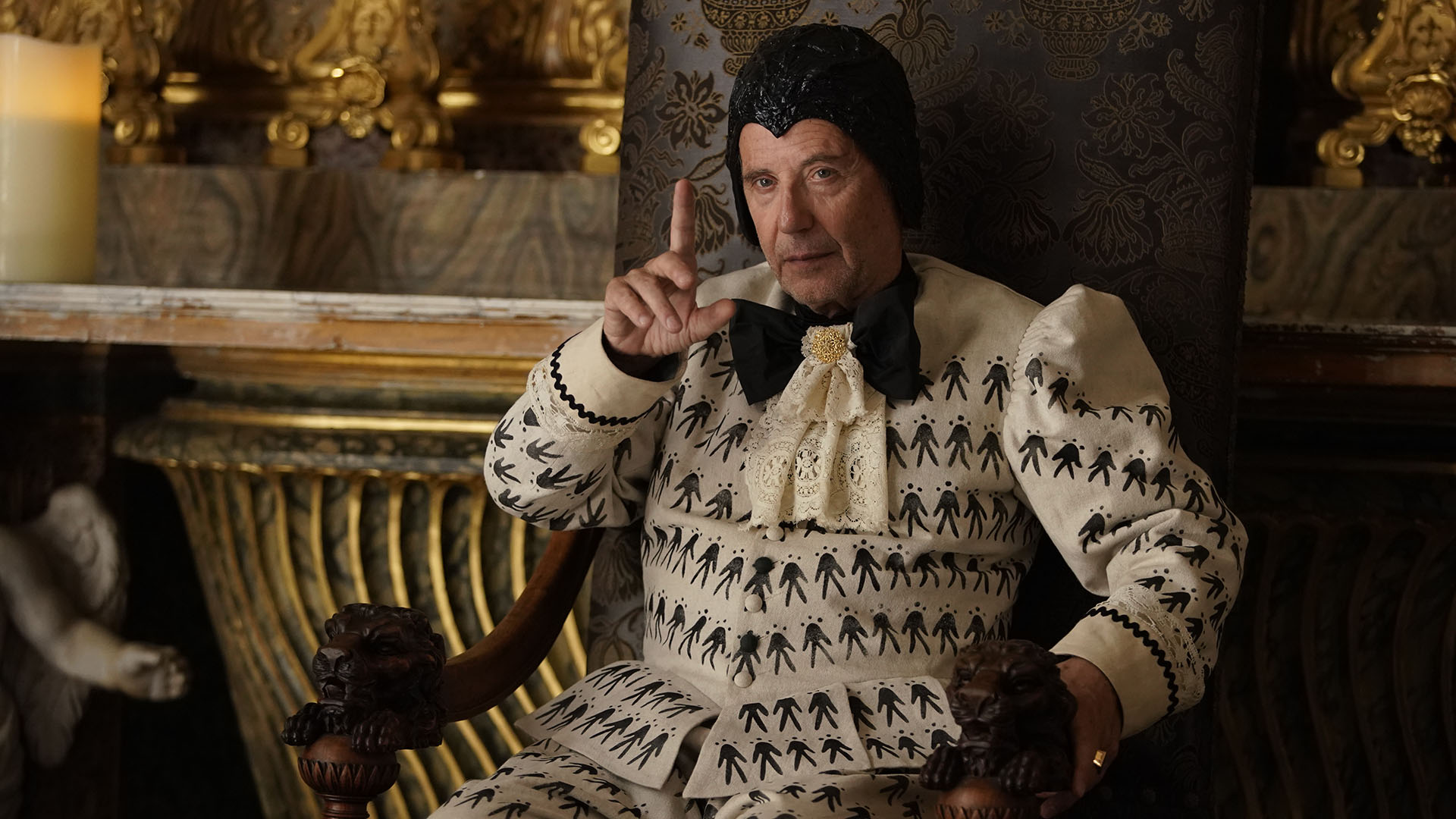
The Empire (2024)
A slapstick intergalactic space opera from the singular mind of auteur Bruno Dumont, “The Empire” is a dramatic blockbuster spectacle and a comedic tour de force that pits good against evil in a quiet and picturesque fishing village in Northern France. In an attempt to restore their empires, two opposing forces from the depths of outer space, One and Zero, unleash an apocalyptic conflict on Earth.

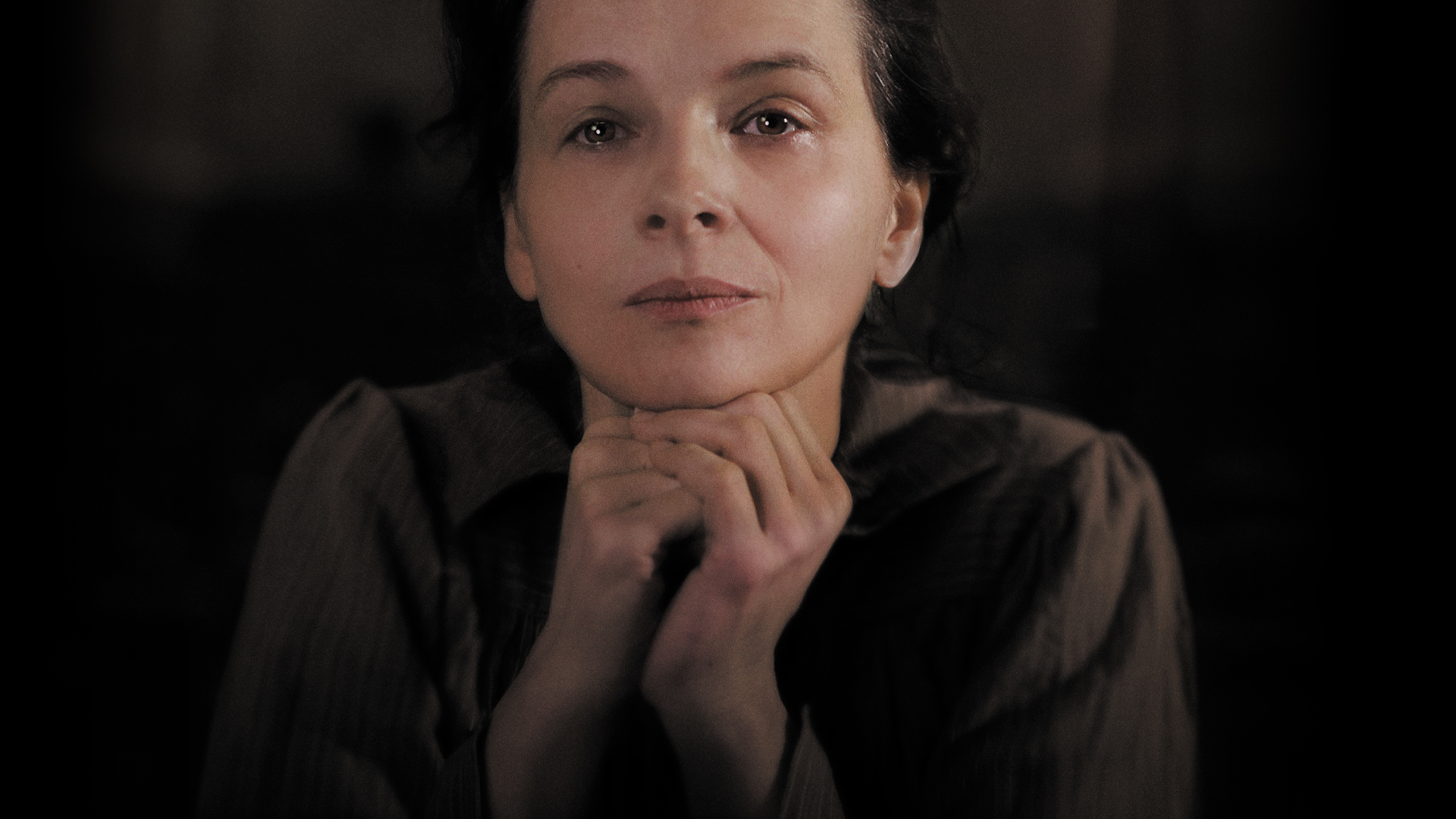
Camille Claudel 1915 (2013)
Juliette Binoche gives a mesmerizing performance as sculptor Camille Claudel, Auguste Rodin's protégé and later mistress. Inspired by the correspondence with her brother, Christian/mystic poet Paul Claudel, award-winning director Bruno Dumont focuses on Claudel's struggle to find understanding and recognition as an artist while she is confined to a mental institution.
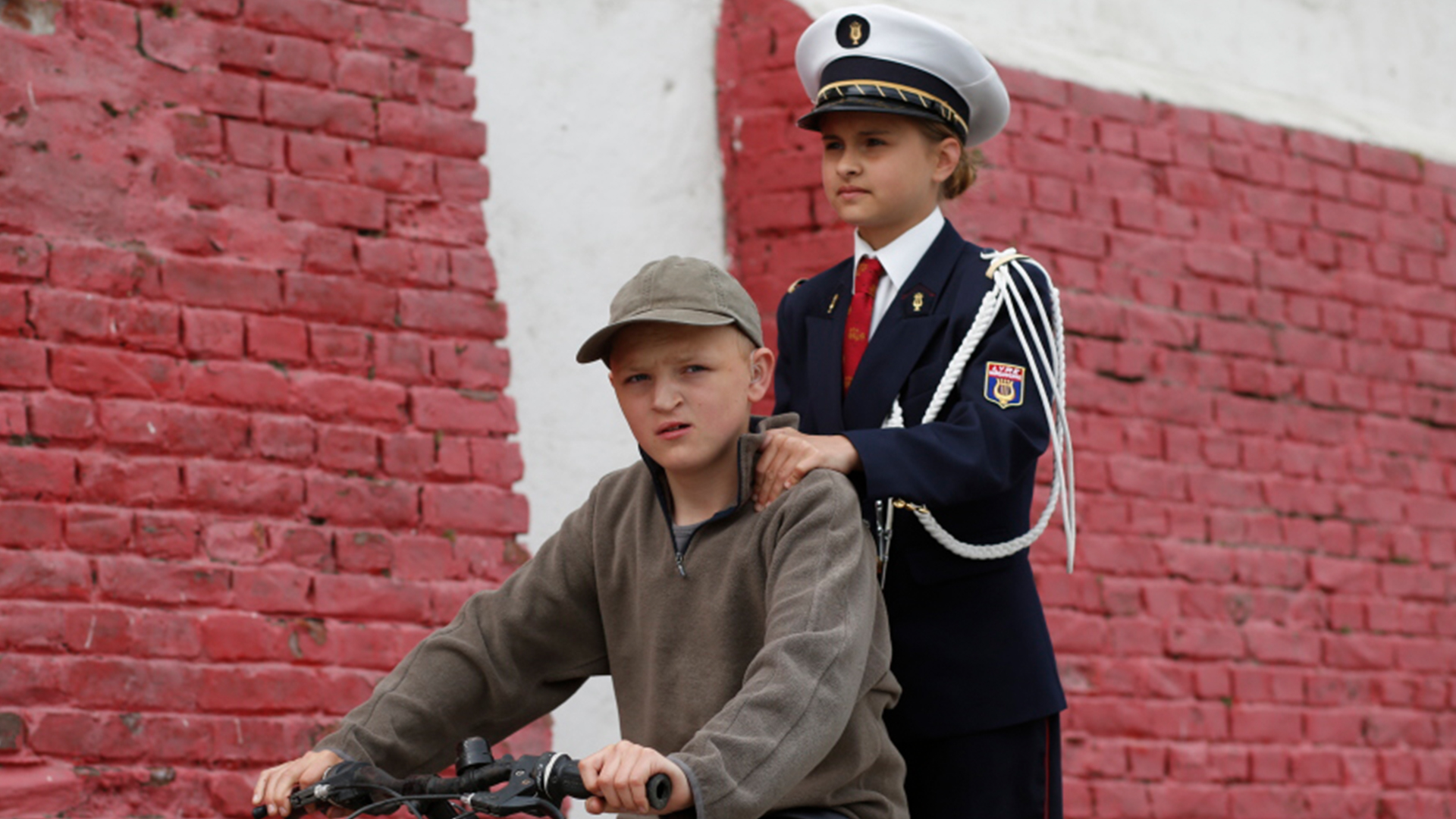
Li’l Quinquin (2014)
Official Selection of the Cannes Film Festival, French auteur Bruno Dumont's comedy "Li'l Quinquin" is an absurdist, metaphysical murder mystery set on the outskirts of the English Channel in northern France. The bumbling and mumbling Captain Van der Weyden is assigned to the crime, but he has to contend with a young prankster, the mischievous Quinquin, as he proceeds to investigate the case.
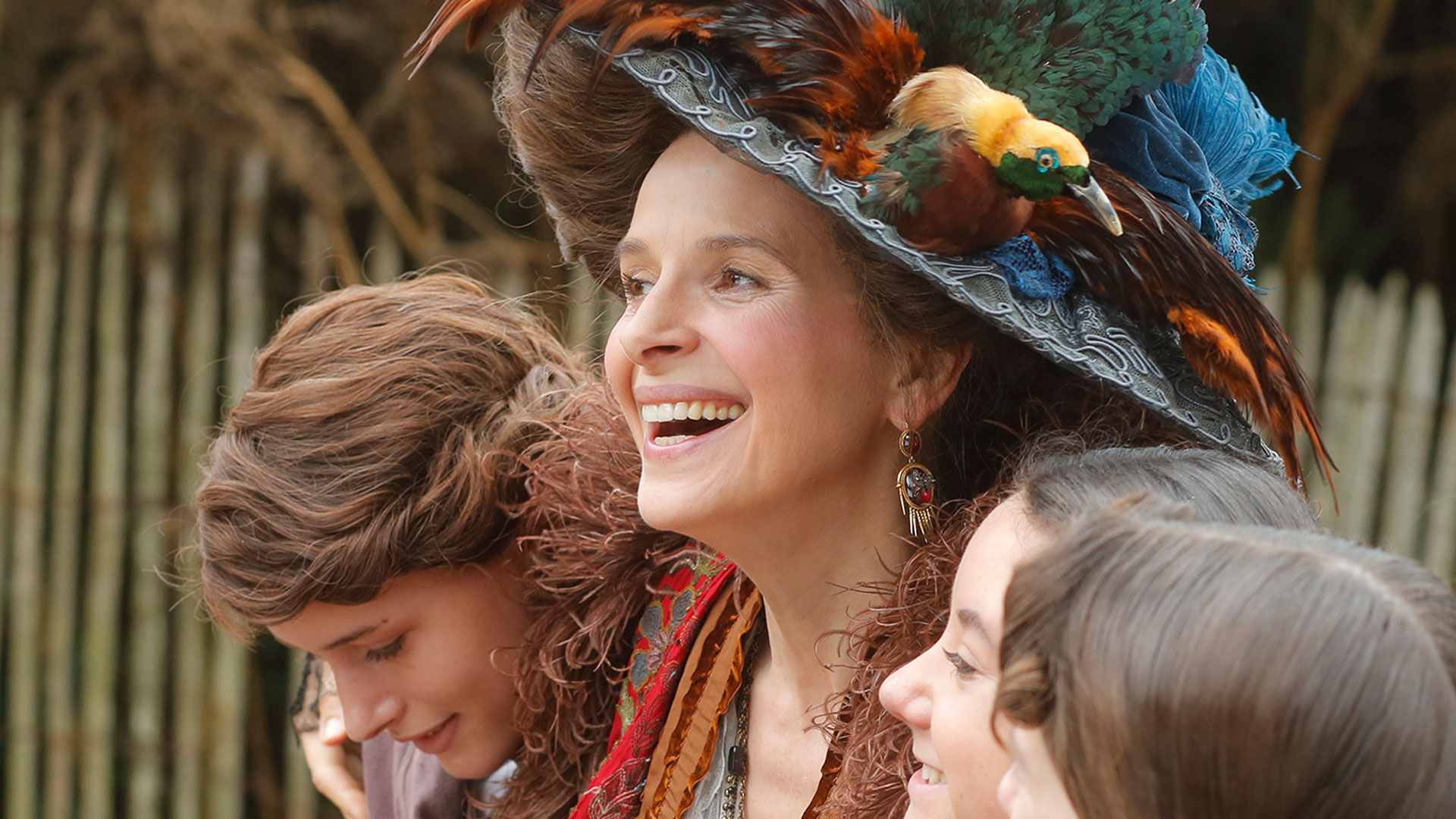
Slack Bay (2017)
The bourgeois and extremely eccentric Van Peteghem family, among them Juliette Binoche, Fabrice Luchini, and Valeria Bruni Tedeschi, have settled in for another summer at their cliff-top villa overlooking the picturesque Slack Bay. Their leisurely rhythm is soon interrupted by the arrival of two bumbling police inspectors investigating a string of tourists gone missing in Bruno Dumont’s absurdist farce.
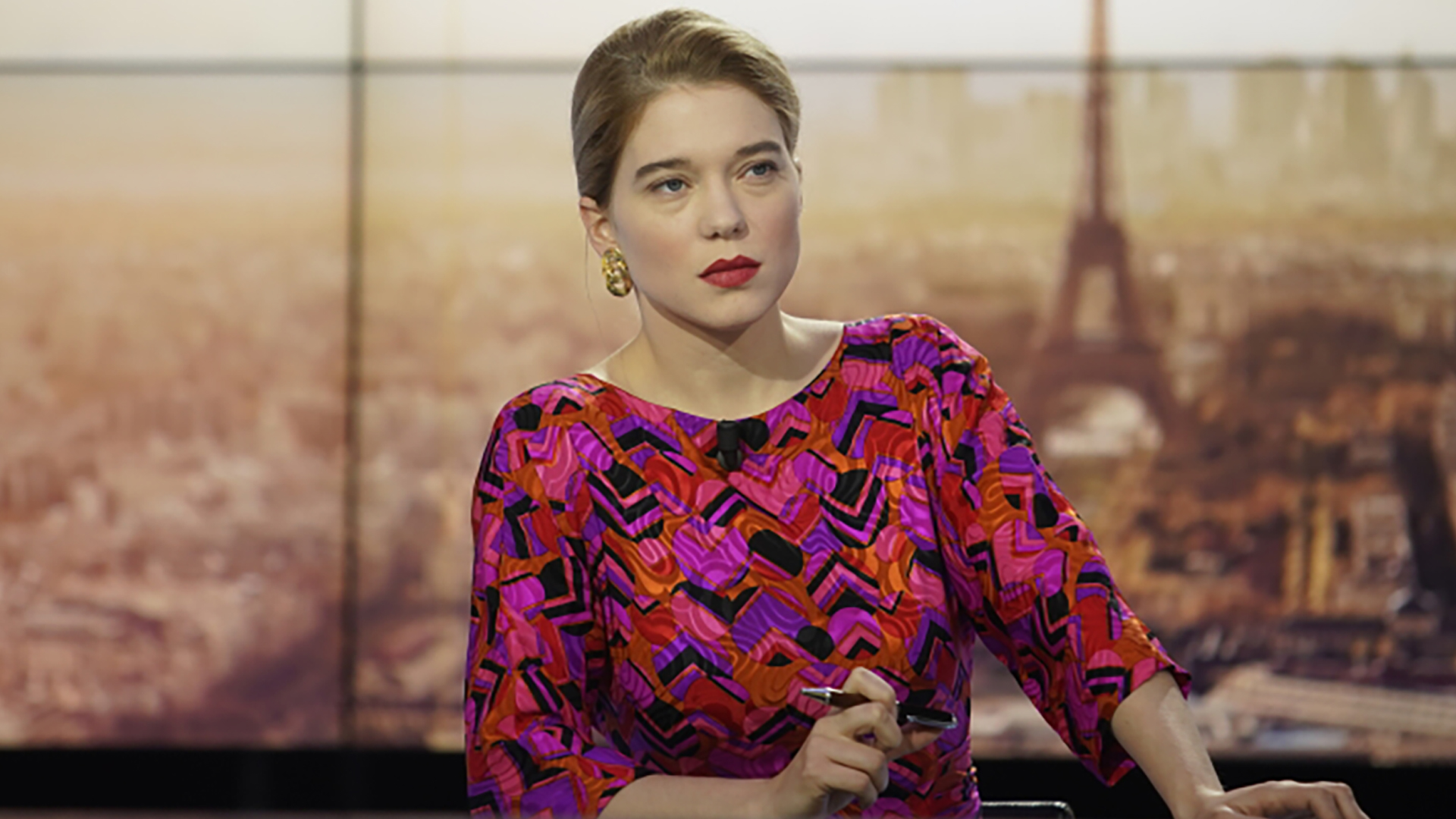
France (2021)
Léa Seydoux brilliantly holds the center of Bruno Dumont’s Cannes Palme d'Or nominated film, which starts out as a satire of contemporary news media before steadily spiraling out into something richer and darker. Set in contemporary Paris, "France" follows a journalist who's high-profile world is turned upside down after she injures a delivery man in a traffic accident.