


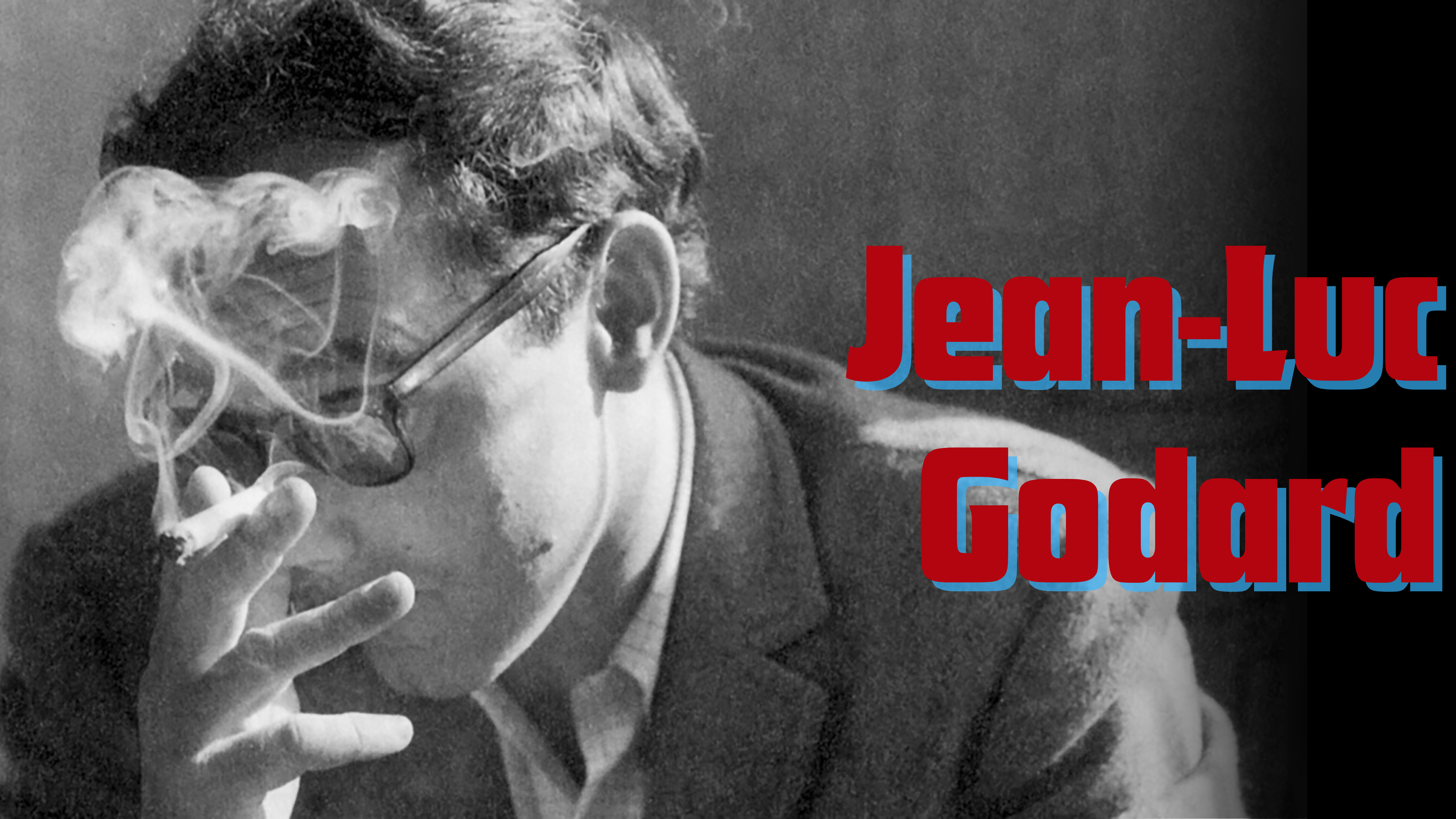
Celebrating Jean-Luc Godard: 95 Years of Rule-Breaking Cinema
Highly revered and heavily discussed, the late auteur Jean-Luc Godard, born on this day in 1930 in Paris, stands as an influential figure in modern cinema. Best known for his French New Wave films, Godard continued to expand the medium and his cinematic language, producing more experimental and politically engaged works later in his career.
Godard and his writer-turned-filmmaker contemporaries at the seminal film publication Cahiers du Cinéma were responsible for establishing the countercultural, cinephilic spirit of the French New Wave in the 1950s and 1960s. The group, consisting of Godard, François Truffaut, Jacques Rivette, Claude Chabrol, and Éric Rohmer, would watch Hollywood classics and auteur retrospectives at the Cinémathèque and discuss them at ciné-clubs, broadening their filmic knowledge and sensibilities.
In 1960, after making a few short films, Godard released his debut feature, Breathless, a successful transition into directing that elicited comparable acclaim to that of Chabrol and Truffaut. The romantic crime film draws influence from American genre movies, following the escapade of Michel Poiccard, an existentialist anti-hero outlaw inspired by Hollywood noir stars. Its spontaneous energy—marked by radical jump cuts and improvised dialogue—offers early inklings of Godard’s rule-breaking spirit, yet these irregularities are informed by his intimate understanding of film history. As a result, his debut announced his career-long tendency to fuse avant-garde art forms and classic Hollywood techniques in pursuit of a new language.
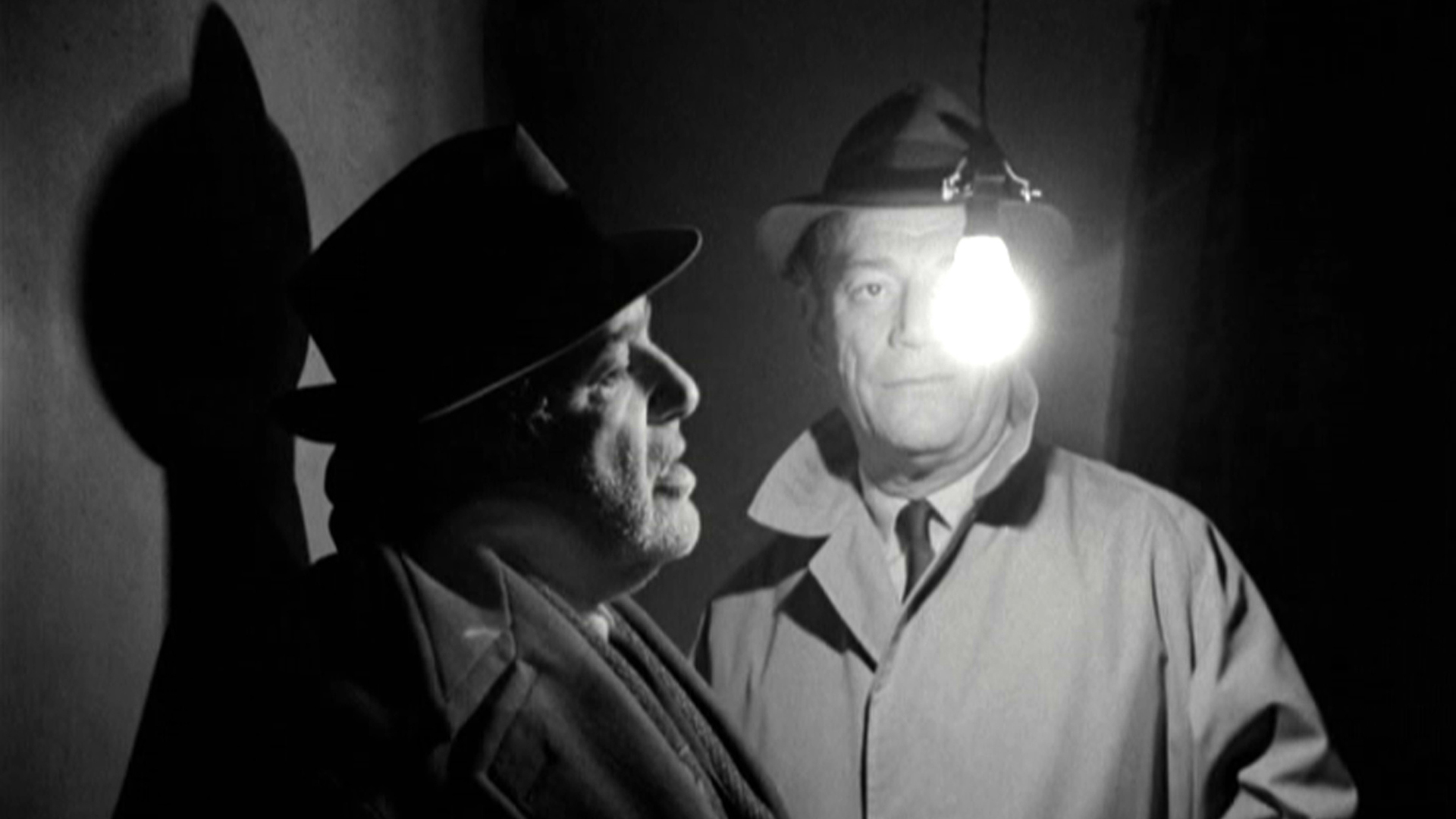
A still from Alphaville
Following Breathless, Godard continued to develop his visual style through experimentation with editing, mise en scène, narrative structure, and genre conventions. His New Wave films often depicted daily life on Parisian streets as a microcosm for interrogating human emotions, intellectual ideas, and urgent political events. During this era, Godard frequently collaborated with actress Anna Karina, beginning with Le petit soldat and A Woman is a Woman, where she leveraged her natural yet poised presence.
Alphaville, the fourth of Godard’s seven projects with Karina, exemplifies his playful approach to genre, as he places a noir detective within a science fiction pulp magazine. Set in a dystopian metropolis controlled by the Alpha 60 computer, government agent Lemmy Caution seeks to destroy the totalitarian technology—a straightforward premise that unfortunately grows more relevant today. Godard constructs a satirical yet poetic collage of noir hallmarks: trench coats, dark shadows, and modernist architecture. Much like his other New Wave works, the film is a masterclass in postmodern bricolage.
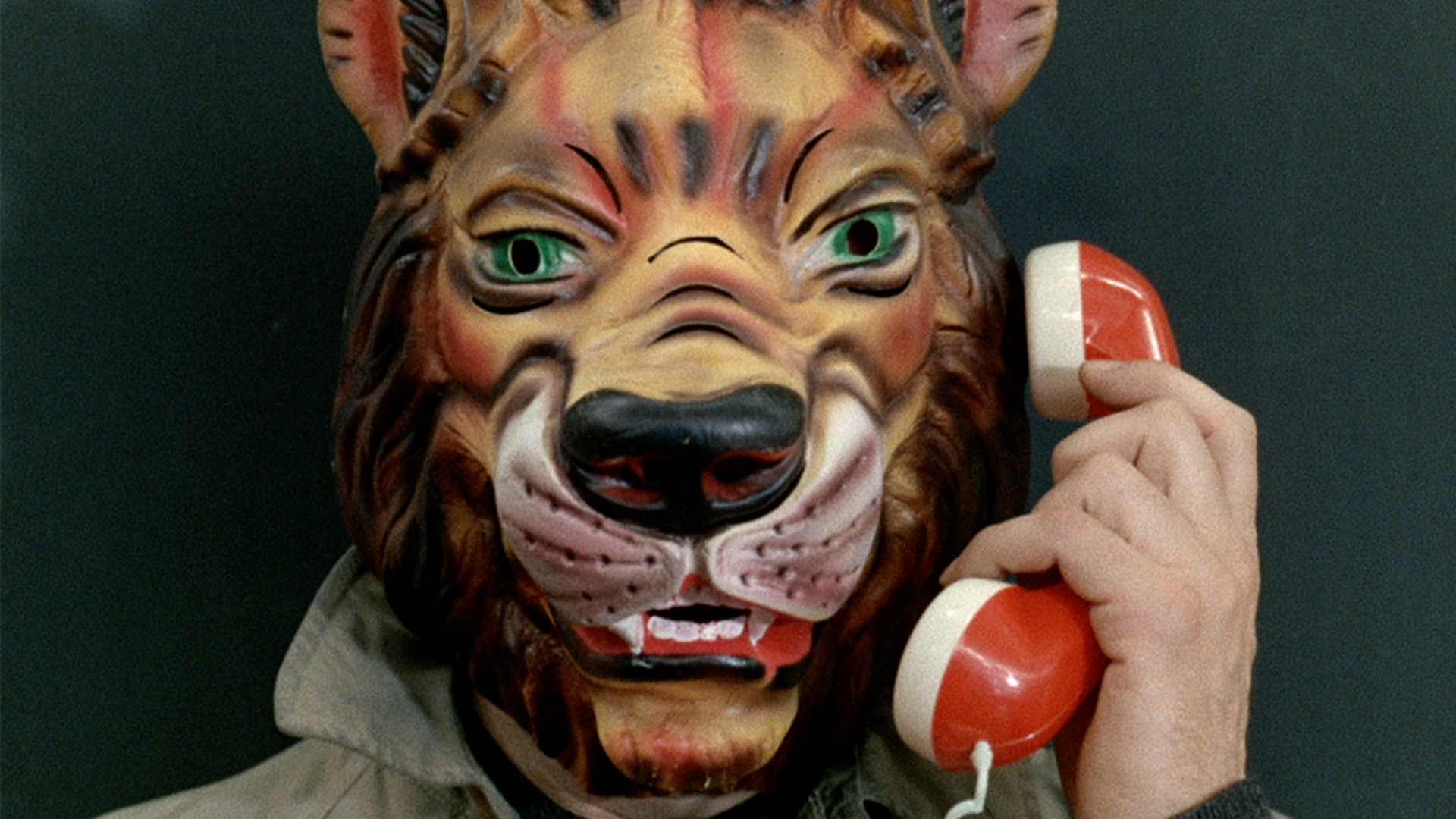
A still from La Chinoise
By the late 1960s, Godard began veering from traditional narrative conventions as his work responded to the burgeoning political movement surrounding May 1968, a period of leftist student protests and civil unrest across France. His 1967 films La Chinoise and Weekend, two satirical critiques of the middle and upper classes, remain rooted in genre storytelling while integrating experimental elements and explicit politics. Retaining the cultural allusions and stylized color palette of his early work, these films reflect a strengthened commitment to montage and a denial of realism, exemplifying his artistic principle: “Art is not the reflection of a reality; it is the reality of that reflection.” His long tracking shots, notably the eight-minute traffic jam sequence in Weekend, create an unambiguous flatness that subverts the bourgeois gaze. Using radical editing techniques and camera movements, Godard pushes his cinematic language to convey abstract ideas in these films.
Godard moved further from Hollywood cinema with One Plus One and Le Gai Savoir, where he continued to reject narrative structures and break down the notion of cinema. In these films, he extends the work of Cahiers du Cinéma, dissecting foundational questions like “what is cinema?” Le Gai Savoir feels like stepping into a series of college lectures in different disciplines, presenting two militant youths engaged in intellectual discourse on a soundstage. Godard abandons genre, but maintains his signature control over the deliberate color and lighting. Rapid-fire visual and aural montage supplements the stripped-down conversations, layering Godard’s whispered voiceover with images drawn from politics, history, and popular culture. Through editing, he removes the intermediary of plot and allows the images themselves to communicate abstract concepts.
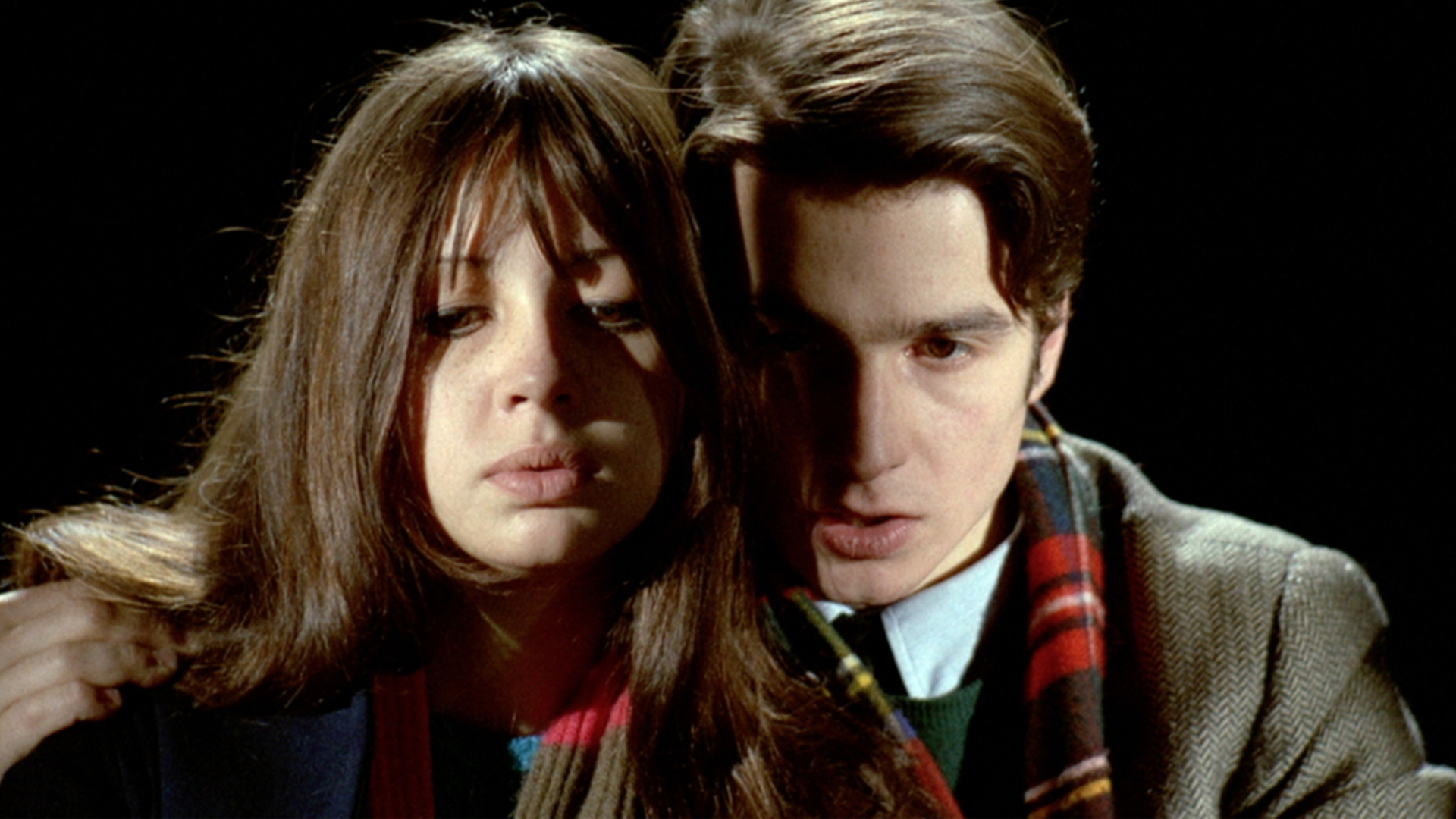
A still from Le Gai Savoir
As Godard became more politically engaged after May 1968, he formed the Dziga Vertov Group with filmmaker Jean-Pierre Gorin to “make political films politically,” drawing on Brechtian techniques and Marxist ideology. When the group dissolved in 1971, Godard kept evolving the medium by incorporating television, digital video, and 3D technologies into his projects. He collaborated with his wife Anne-Marie Miéville to create two unconventional TV series: Six fois deux/Sur et sous la communication in 1976 and France/tour/détour/deux/enfants in 1977. In the 1980s, he worked with new experimental forms, like the video essay structure of Histoire(s) du cinéma. He also returned to narrative filmmaking, releasing political features like King Lear (1987) and For Ever Mozart (1996). Godard first embraced digital video with In Praise of Love (2001), later shooting Film Socialisme (2010) entirely in a digital format.
One of Godard’s most philosophical and puzzling works, Goodbye to Language serves as the culmination of his lifelong pursuit of pushing cinematic form to convey intellectual ideas. Film critic Manohla Dargis describes seeing it at the 2014 Cannes Film Festival, where it won the jury prize, as “one of the greatest experiences of [her] moviegoing life.” Godard’s 3D visual essay transforms the mundane into a vibrant sensory experience, layering images, color, sound, and dialogue to overwhelm and enlighten viewers. Through his signature experimentation, Godard further deconstructs the meaning of cinema in this immersive montage. Goodbye to Language exemplifies Godard’s complete mastery of the medium, as he transcends conventional cinematic rules to properly explore his thematic obsessions. In his inaugural Substack article, Richard Lorber writes, “the film annihilates the old language of film and creates an entirely new one.”
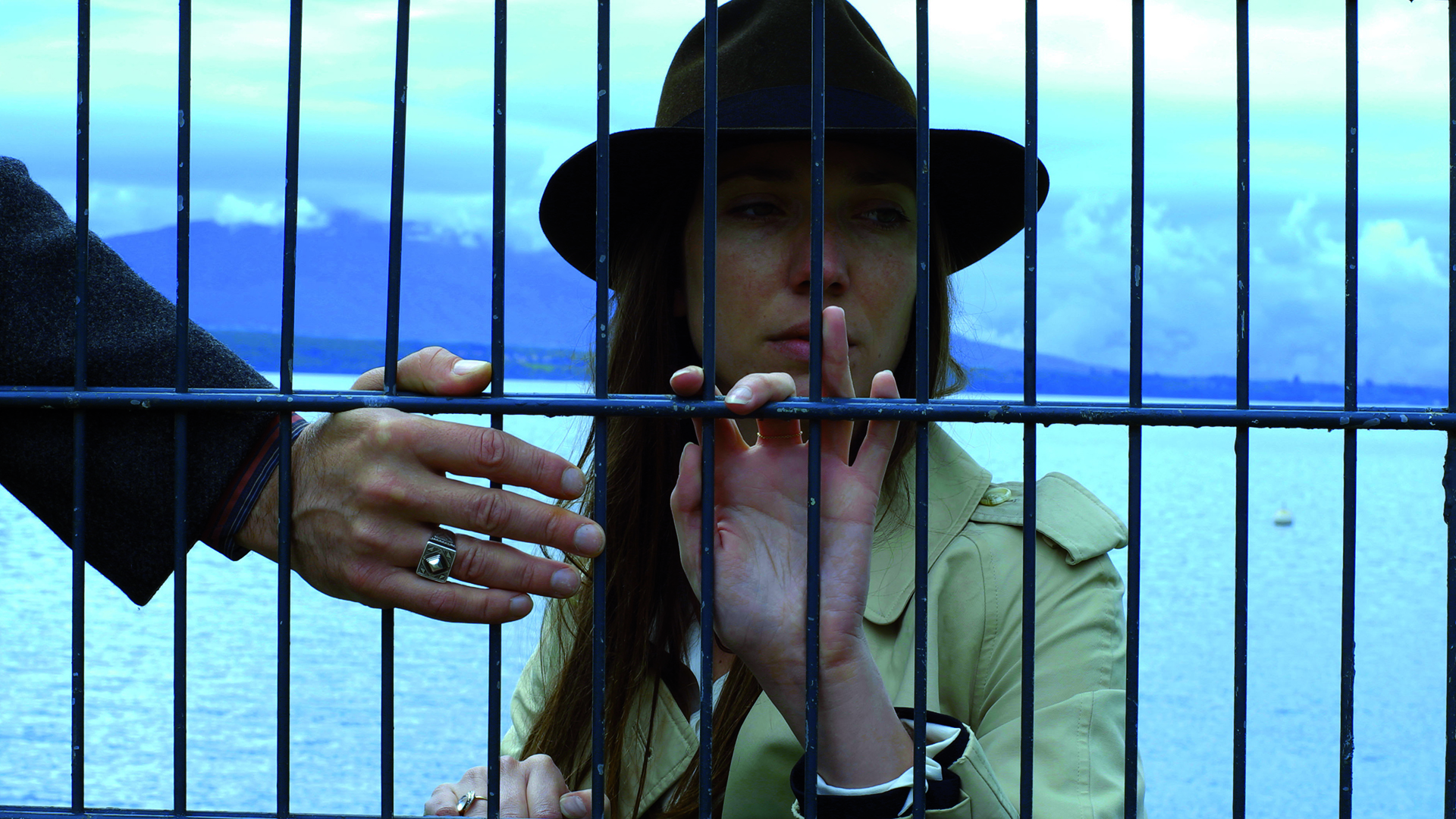
A still from Goodbye to Language
Godard’s legendary career is captured in Cyril Leuthy’s definitive documentary, Godard Cinema. This 2022 film surveys the different eras of the auteur’s decades-long career, during which he made over 140 films and revolutionized the medium forever. Leuthy pays tribute to the iconic director and his work while investigating his intentions as an artist.
From early New Wave triumphs to late-career digital meditations, Godard built a legacy of constant reinvention, evolving from the refreshing freedom of Breathless to radical works that unlocked the true potential of cinema. Today, Godard continues to inspire new generations of filmmakers and cinephiles with impossible visuals and techniques that still feel groundbreaking more than half a century later.
Stream Jean-Luc Godard on Kino Film Collection.
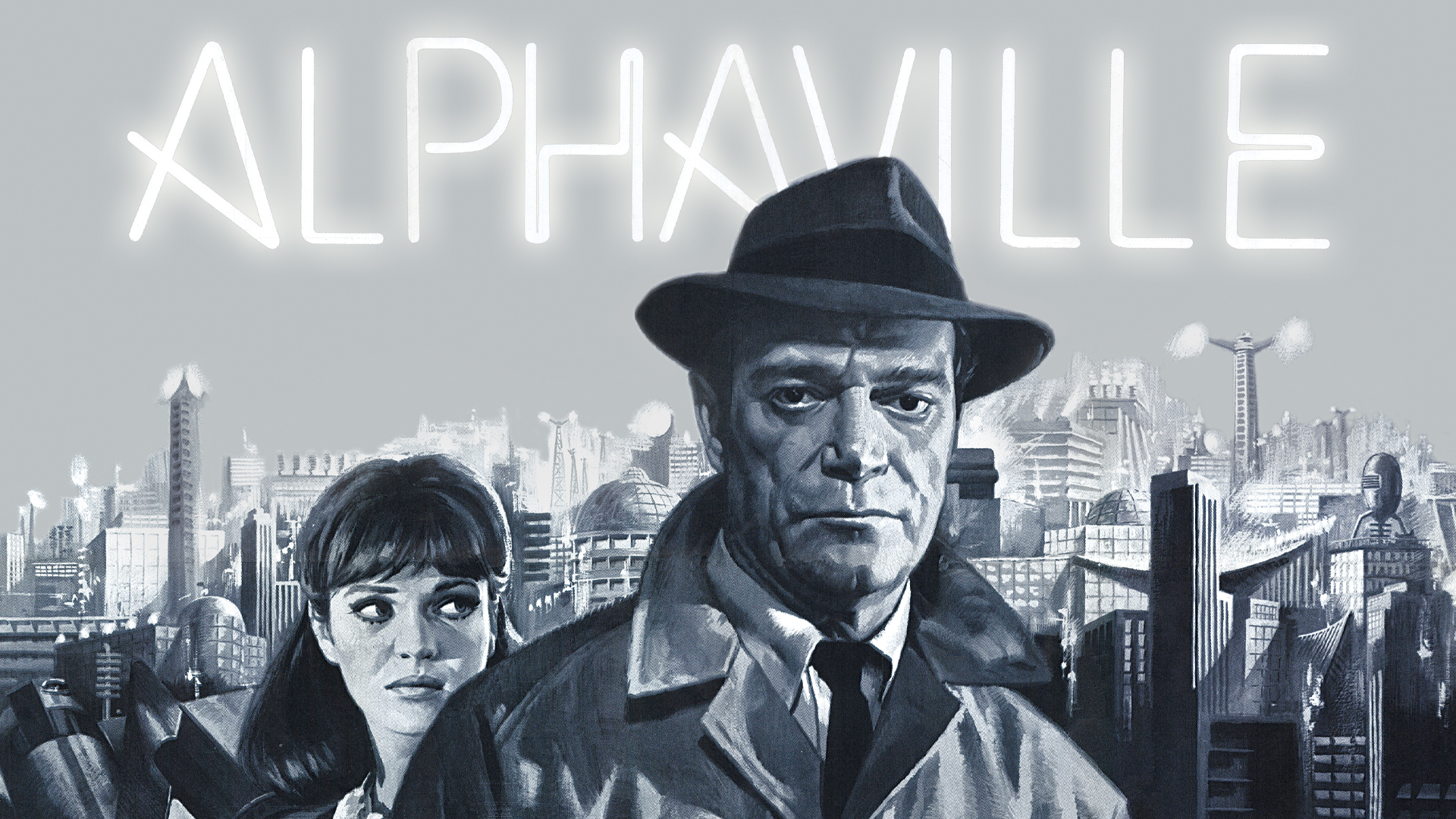
Alphaville (1965)
Influential director Jean-Luc Godard’s irreverent journey to the mysterious “Alphaville” remains one of the least conventional films of all time. American secret agent Lemmy Caution (Eddie Constantine) is sent to the distant space city where he must find a missing person and kill the inventor of fascist computer Alpha 60. Anna Karina and Akim Tamiroff co-star in this cockeyed science-fiction.

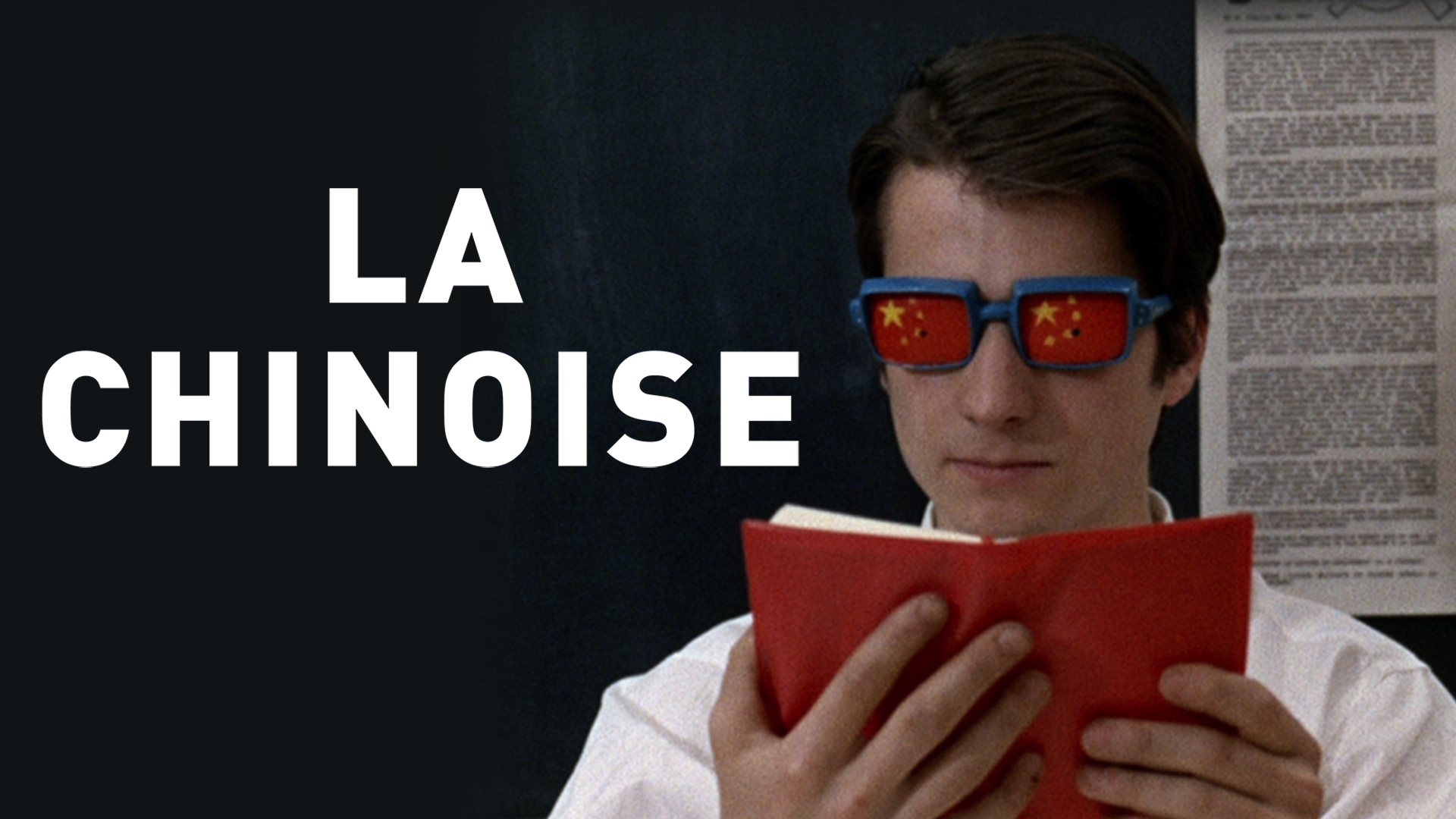
La Chinoise (1967)
Disillusioned by their suburban lifestyles, a group of students form a small Maoist cell and plan to change the world by any means necessary. After studying the growth of communism in China, the students decide they must use terrorism and violence to ignite their own revolution. Director Jean-Luc Godard, an advocate of Maoism, infuriated many traditionalist critics with this swiftly paced satire.
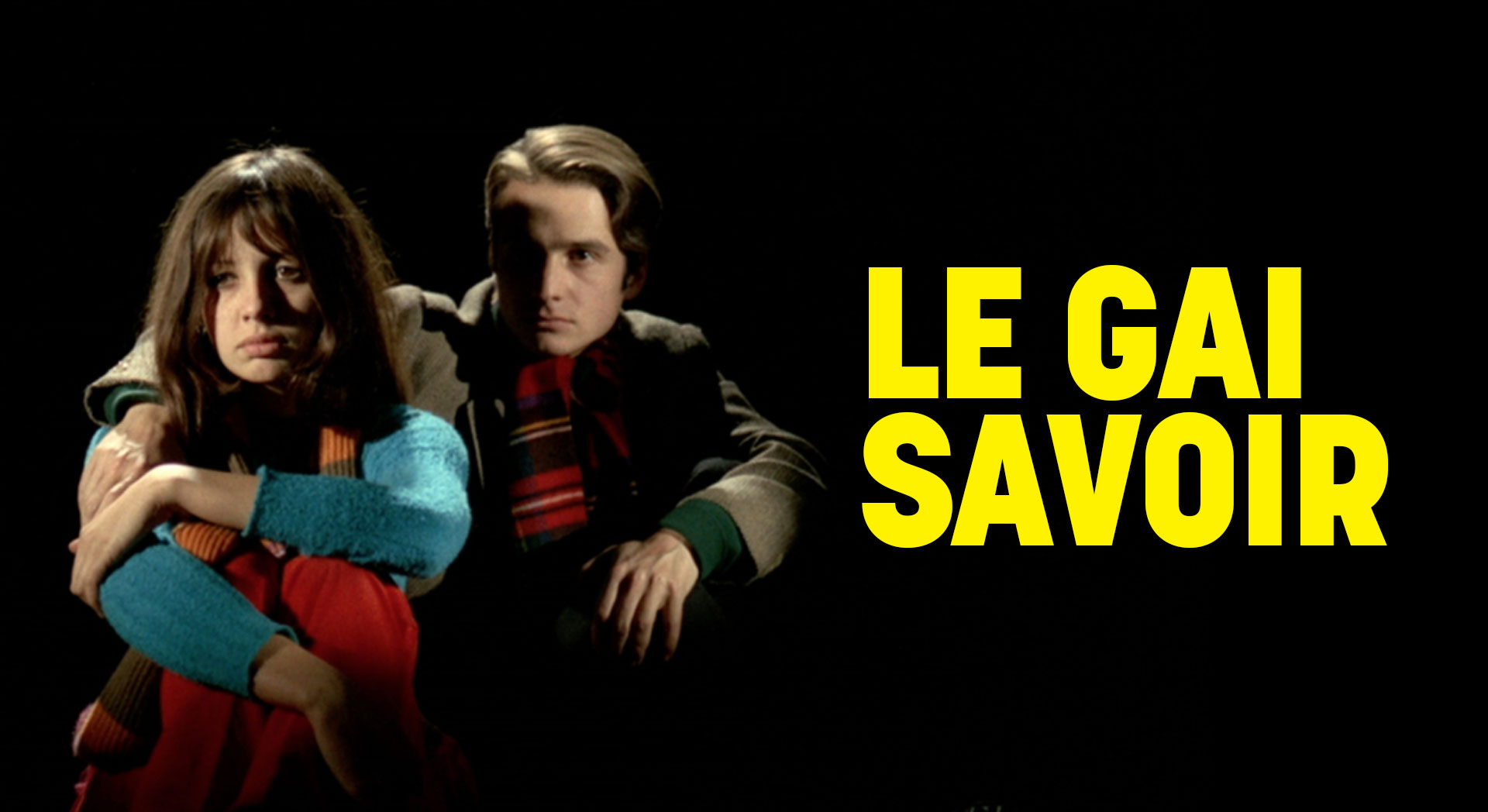
Le Gai Savoir (1969)
In this classic film from Jean-Luc Godard, two militants have a discourse on language while alone in an abandoned television studio. Referring to spoken word as "the enemy"--the weapon used by the establishment to confuse liberation movements--the two deconstruct the meanings of sounds and images in an attempt to "return to zero" and truly experience the joy of learning.
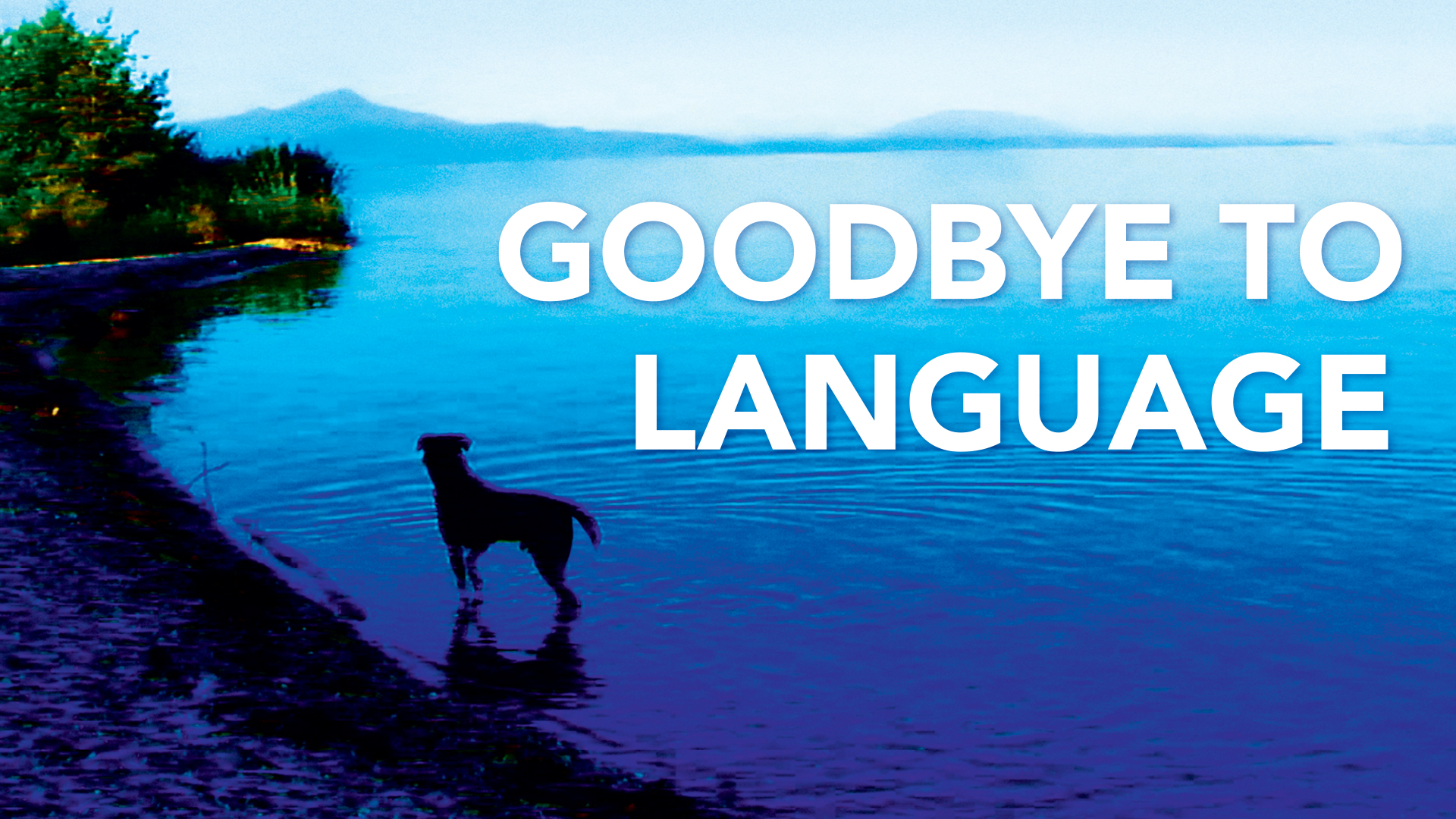
Goodbye to Language (2014)
Winner of the Jury Prize at the 2014 Cannes Film Festival, Jean-Luc Godard’s triumphant masterpiece uses technology to mind-bending effect. A meditation on history and illusion, the film follows a couple whose relationship breaks down along with images of romantic love and being-in-the-world, and in its second half takes a dog's-eye view of the world.
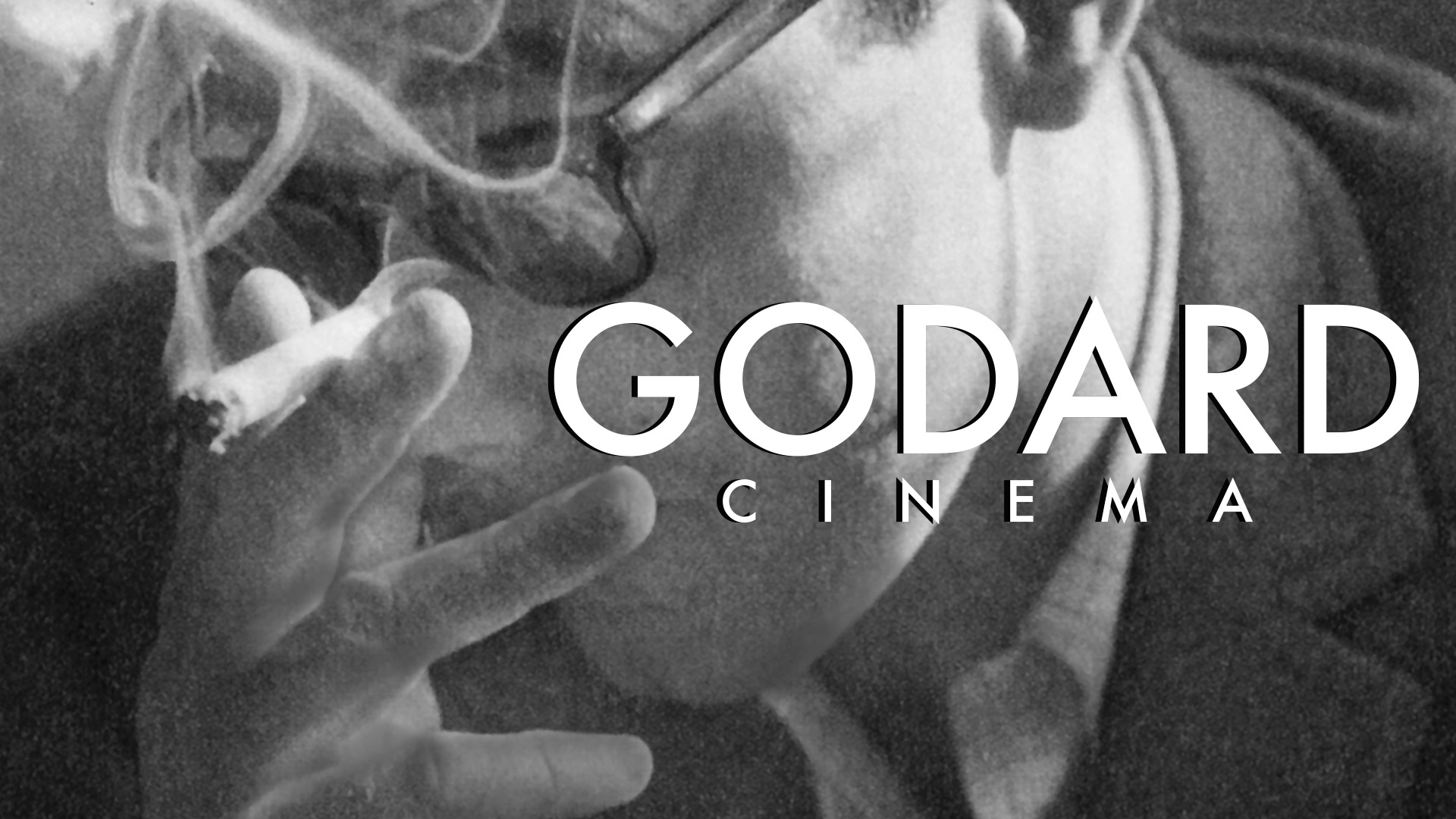
Godard Cinema (2022)
Jean-Luc Godard is synonymous with cinema. He arose in the 1960s as a cinematic rebel and symbol for the era's progressive youth. Six decades and 140 films later, Godard is among the most renowned artists of all time. This documentary offers an opportunity for film lovers to look back at his career, while paying tribute to the ineffable essence of the most revered French director of all time.