In celebration of Women’s History Month, we’re highlighting female filmmakers who are boldly making their mark on the industry. Whether they’re fresh, new voices on the rise or established directors with a full résumé of award-winning films, these are some of the most talented visionaries working in film today. Though vastly diverse in their perspectives and backgrounds, each one has a singular vision and gift for storytelling that makes today’s film industry better than ever. Each of their films below are available to stream now on Kino Film Collection.
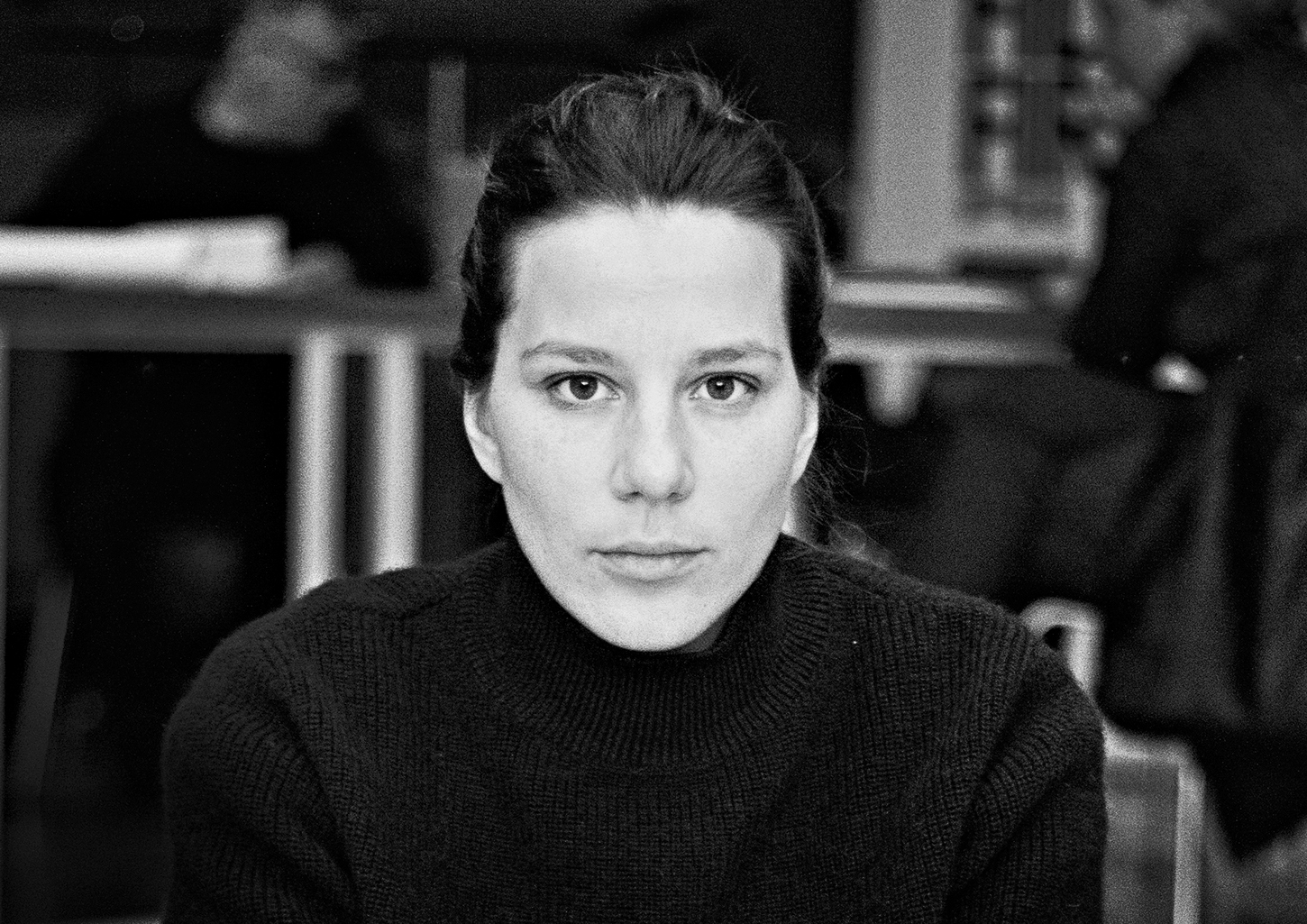
Antoneta Alamat Kusijanovic
The Croatian-born, New York-based director has cemented herself as one to watch with her first feature film debut, Murina. Executive produced by Martin Scorsese, the film premiered at the 2021 Cannes Film Festival, where it won the Camera d’Or award for best first feature. With several shorts also under her belt, the director is carving out a distinct brand of storytelling that fearlessly explores family dynamics, power struggles, and cultural pressures. When asked which films influenced her, Kusijanovic gave the Academy of Motion Picture Arts and Sciences a very telling list: Waltz With Bashir, The Little Mermaid, The Piano, Blade Runner, and Prayers For the Stolen. "These are the films that made me cry,” she explains. “That’s why I chose them."
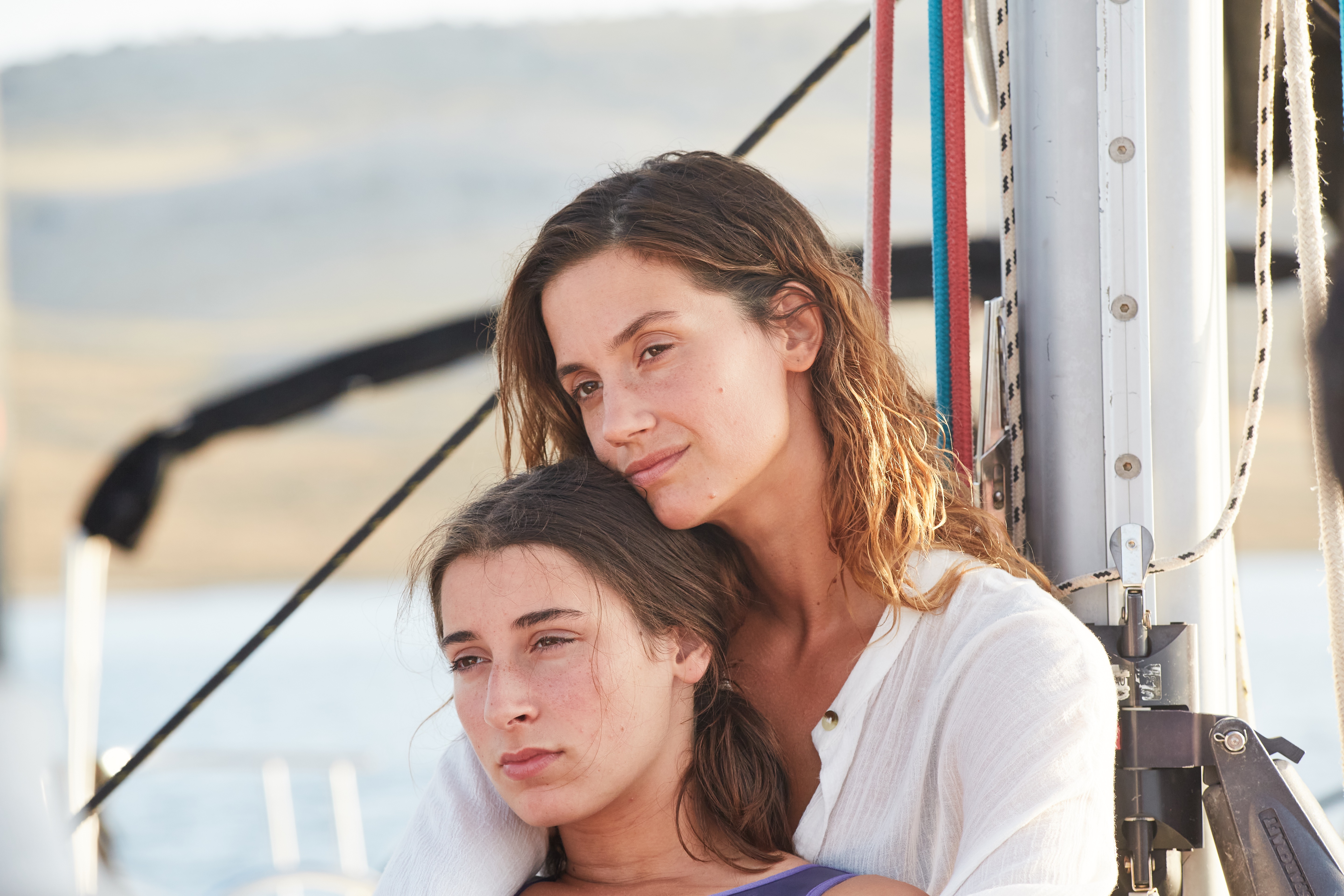
Murina (2022)
On a remote island along Croatia’s Adriatic coast, 17-year-old Julija spends her days diving for eel with her domineering father Ante and watching other teens party on a nearby yacht. Julija bristles at Ante’s heavy-handed cruelty and resents her mother Nela’s passivity. She longs for independence but is unsure how to achieve it, until the arrival of the rich and mysterious Javier seems to offer a way out.

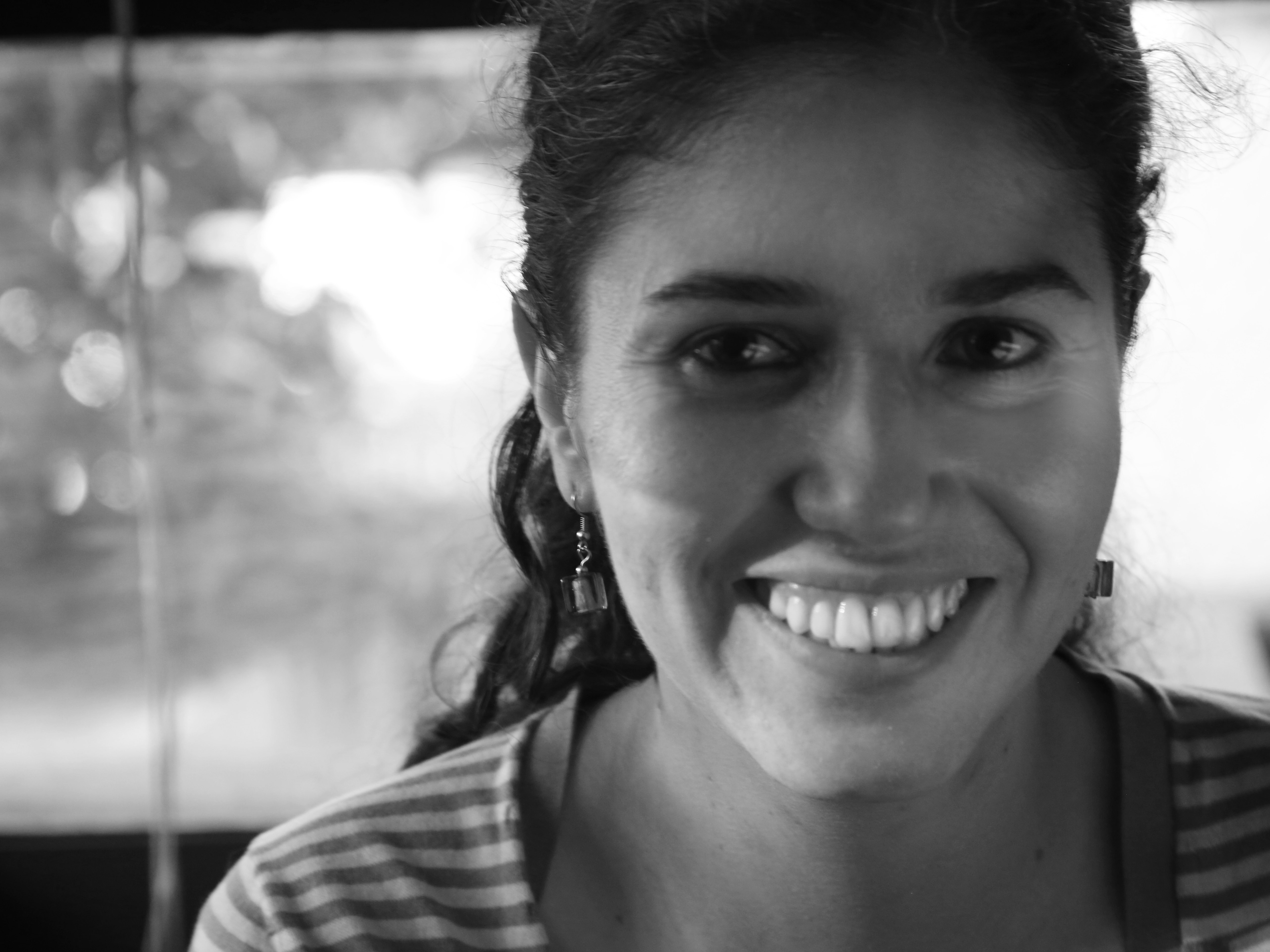
Fernanda Valadez
She started out studying philosophy and Latin American studies, but Mexican director Fernanda Valadez eventually realized that storytelling was her calling. After studying at the Centro de Capacitación Cinematográfica (CCC) in Mexico City, she began making films focusing on social issues in Mexico. Alongside longtime co-author and co-producer Astrid Rondero, Valadez gained international recognition for her film Identifying Features, which premiered at the 2020 Sundance Film Festival and won two awards. From there, the film would go on to win awards around the globe, from Stockholm to San Sebastian to Valadez’s home country of Mexico.
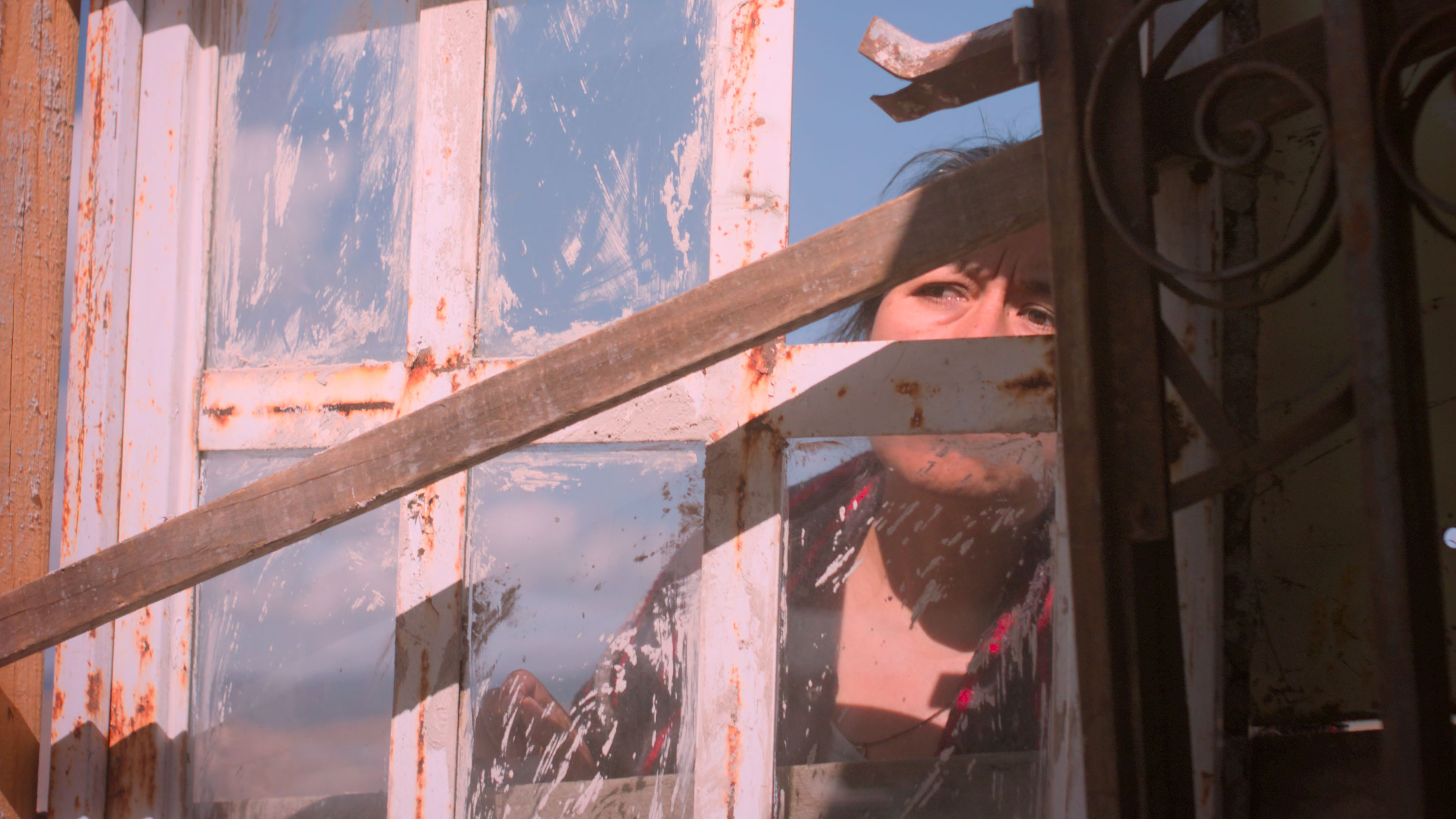
Identifying Features (2020)
Middle-aged Magdalena (Mercedes Hernandez) has lost contact with her son after he took off with a friend from their town of Guanajuato to cross the border into the U.S., hopeful to find work. Desperate to find out what happened to him—and to know whether or not he’s even alive—she embarks on an ever-expanding and increasingly dangerous journey to discover the truth.

Ana Lily Amirpour
Iranian-American director, screenwriter, and producer Ana Lily Amirpour made an indelible mark on contemporary arthouse cinema with her debut feature film, A Girl Walks Home Alone at Night. Part vampire horror, part teenage love story, part Western, the film both fuses genres and boldly defies them to create something wholly original. Given that Amirpour has a background in painting, sculpting, and fronting an art-rock band, it makes perfect sense that A Girl Walks Home Alone at Night is an amalgamation of creative influences and themes, with an end result that is visually striking and ineffably cool.
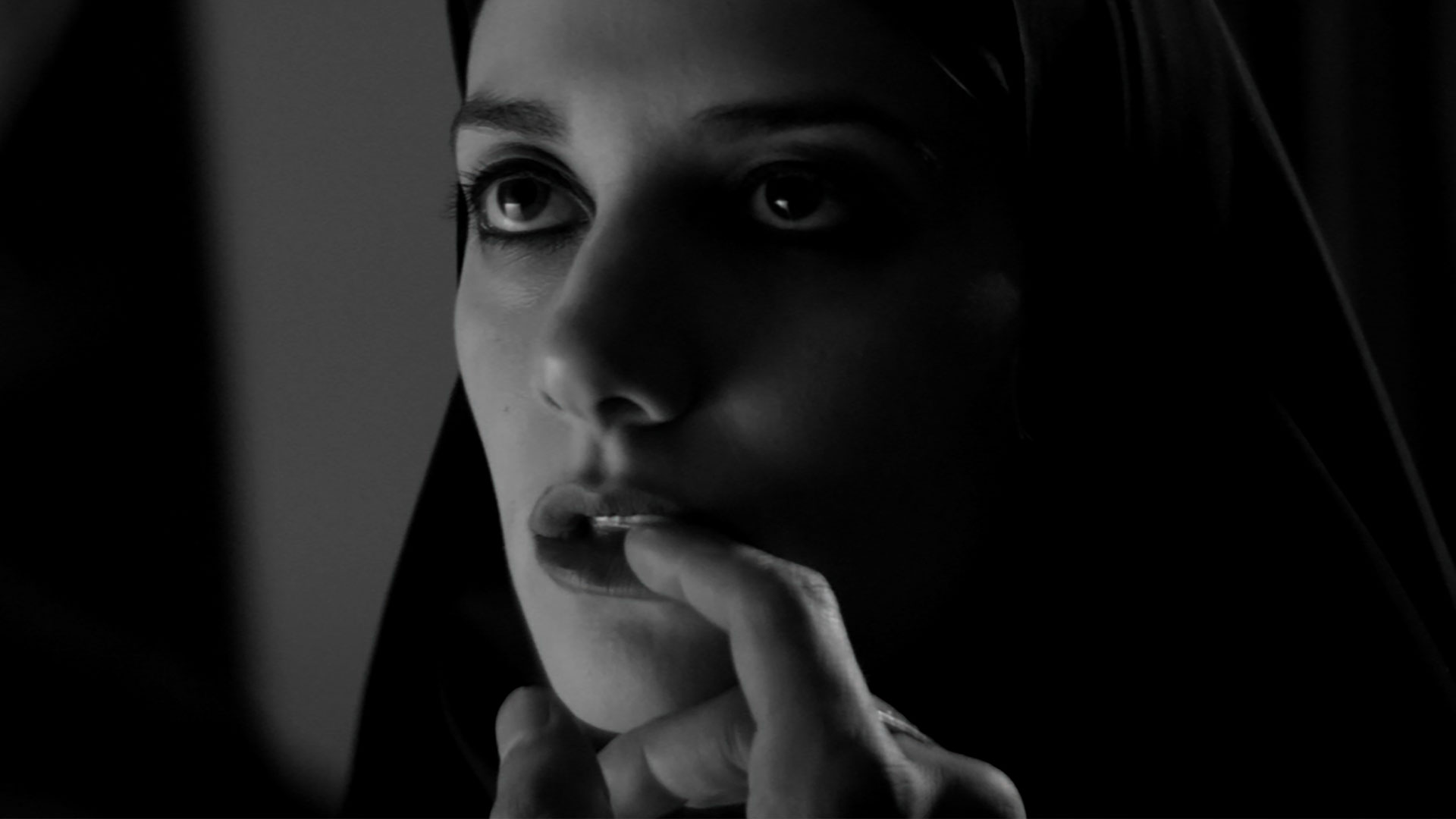
A Girl Walks Home Alone at Night (2015)
Ana Lily Amirpour burst onto the scene with this black and white Iranian vampire Western, which premiered at Sundance and won a Gotham Award for Breakthrough Director. Her debut feature is a joyful mash-up of genre that follows a lonely vampire stalking the Bad City's most unsavory inhabitants. But when boy meets girl, an unusual love story begins to blossom...blood red.

Chloé Zhao
In 2020, Chinese director Chloé Zhao gained widespread acclaim and recognition for her film Nomadland, starring Frances McDormand, which went on to win Best Picture and secure her the Best Director award at the 2021 Academy Awards. But by that time, she had already started making a name for herself on the international festival scene. Zhao’s feature debut, Songs My Brothers Taught Me, premiered at the 2015 Sundance Film Festival, where it was nominated for the Grand Jury Prize in the U.S. Dramatic competition. The following year, the film was nominated for an Independent Spirit Award for Best First Feature.
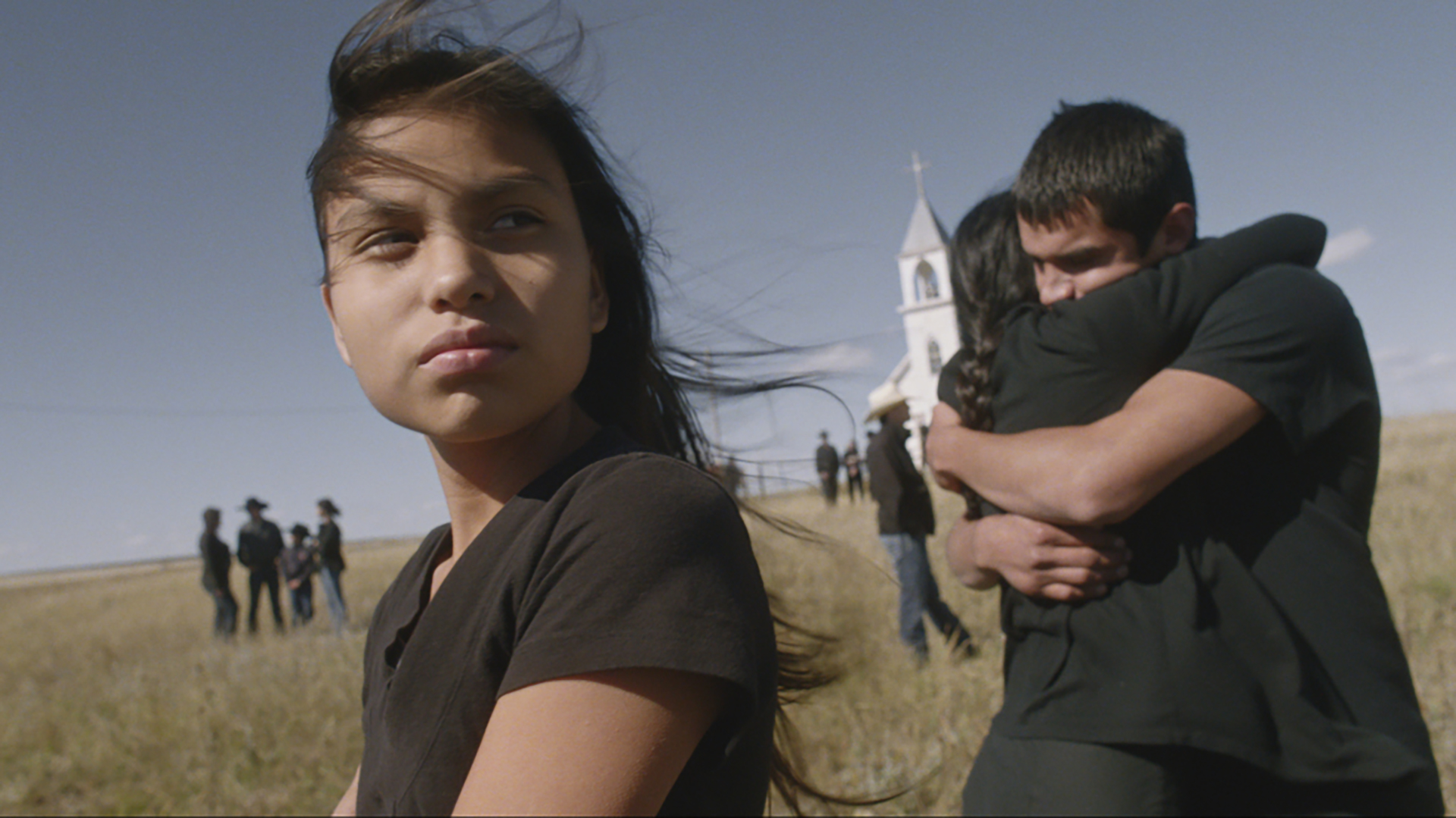
Songs My Brothers Taught Me (2015)
Academy Award winner Chloé Zhao's debut feature captures the subtleties of a marginalized existence. Johnny, a restless Lakota teen, and his little sister Jashaun live with their mother on the Pine Ridge Indian Reservation in South Dakota. While Johnny looks for ways to escape by moving to LA, Jashaun holds onto her faith in the community and the simple pleasures she finds there.

Charlotte Regan
Few directors are as confident in their directorial style so early on in their careers as Charlotte Regan. With her feature debut, Scrapper, the British director has established a distinct brand of storytelling that infuses candy-colored magic into working-class milieu while portraying human emotions with a rawness that’s all heart, but none of the saccharine fluff. Scrapper, which stars household-name-in-the-making Harris Dickinson, won the World Dramatic Grand Jury Prize at the 2023 Sundance Film Festival and was nominated for Outstanding British Film of the Year at the 2024 BAFTAs.
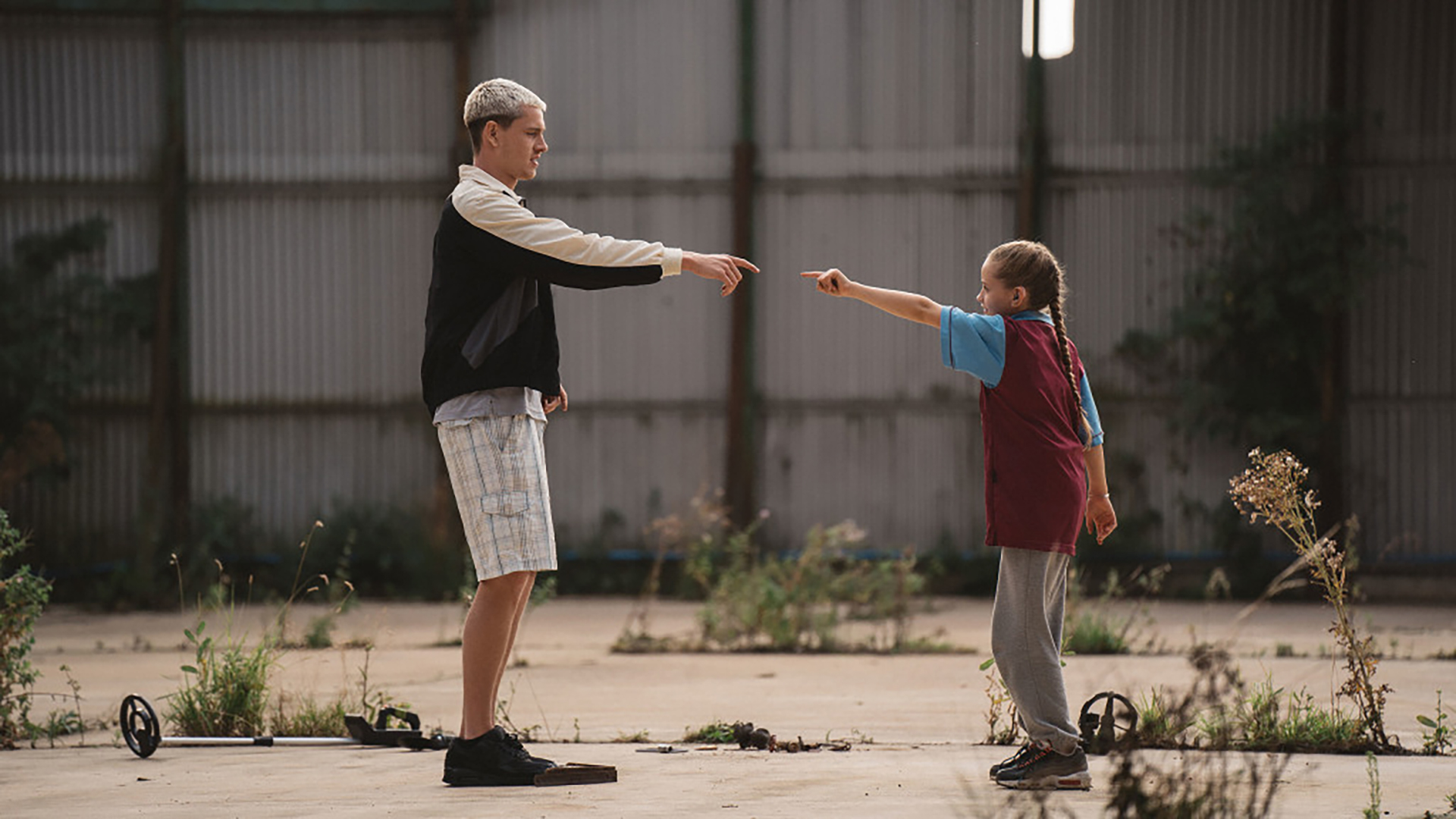
Scrapper (2023)
Winner of a Sundance Grand Jury Prize, this vibrant father-daughter comedy follows a resourceful 12-year-old girl who secretly lives alone in a London flat until her estranged father unexpectedly returns and she’s forced to confront reality. Scrapper is a joyful comedy about family and fresh starts that believes life’s not so much about chasing rainbows as snatching fistfuls in both hands.

Eliza Hittman
Born and raised in Brooklyn, NY, award-winning filmmaker Eliza Hittman has made Brooklyn-set stories of youth into an art form. Hittman’s trio of feature films—It Felt Like Love, Beach Rats, and Never Rarely Sometimes Always—all center around teens in Brooklyn navigating sexuality, social pressures, and the precipice of adulthood. Critics have praised all three for the way they deal with adolescence with unflinching realness, which has essentially become Hittman’s signature style. When speaking to Filmmaker Magazine about It Felt Like Love, Hittman shared why she’s so drawn to coming-of-age films. “When you’re in adolescence, you’re sort of like a crab without a shell,” she says. “You know, and whatever sort of scars or wounds you get, you sort of carry with you for a while. People like to explore the truth and the horror of that moment in their life.”
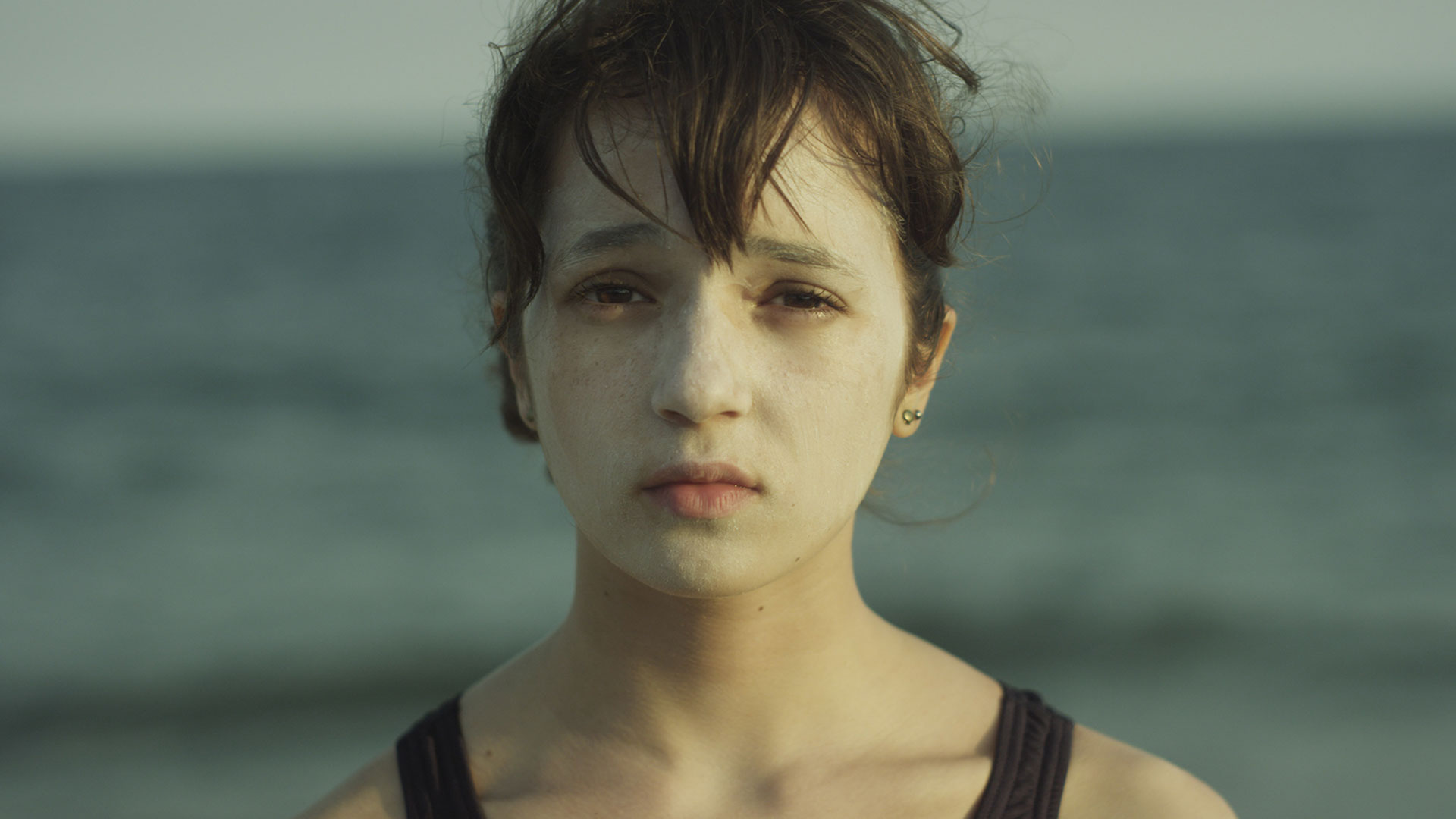
It Felt Like Love (2013)
In this unflinchingly honest and refreshingly unsentimental coming-of-age story from Eliza Hittman (Never Rarely Sometimes Always), 14-year-old Lila spends a languid Brooklyn summer with her promiscuous friend. Eager for her own sexual awakening, Lila decides to pursue the older, thuggish Sammy. But as Lila's advances unmask her inexperience and quiet desperation, she is pushed into unwelcome new territory.
Jennifer Baichwal

Canadian filmmaker Jennifer Baichwal has been directing and producing documentaries for more than 30 years. She is the only filmmaker to have won the Toronto Film Critics’ Association Award for Best Canadian Feature three times and the only Canadian filmmaker to have opened the Hot Docs Film Festival twice. Of Baichwal’s long list of acclaimed and award-winning documentaries, Anthropocene: The Human Epoch is one of her most notable. A stunning sensory experience and cinematic meditation on humanity’s massive reengineering of the planet, Anthropocene: The Human Epoch is a years-in-the-making feature documentary from the award-winning team behind Manufactured Landscapes (2006) and Watermark (2013) and narrated by Alicia Vikander. The film follows the research of an international body of scientists, the Anthropocene Working Group who, after nearly 10 years of research, argue that the Holocene Epoch gave way to the Anthropocene Epoch in the mid-twentieth century as a result of profound and lasting human changes to the Earth.
Anthropocene: The Human Epoch (2019)
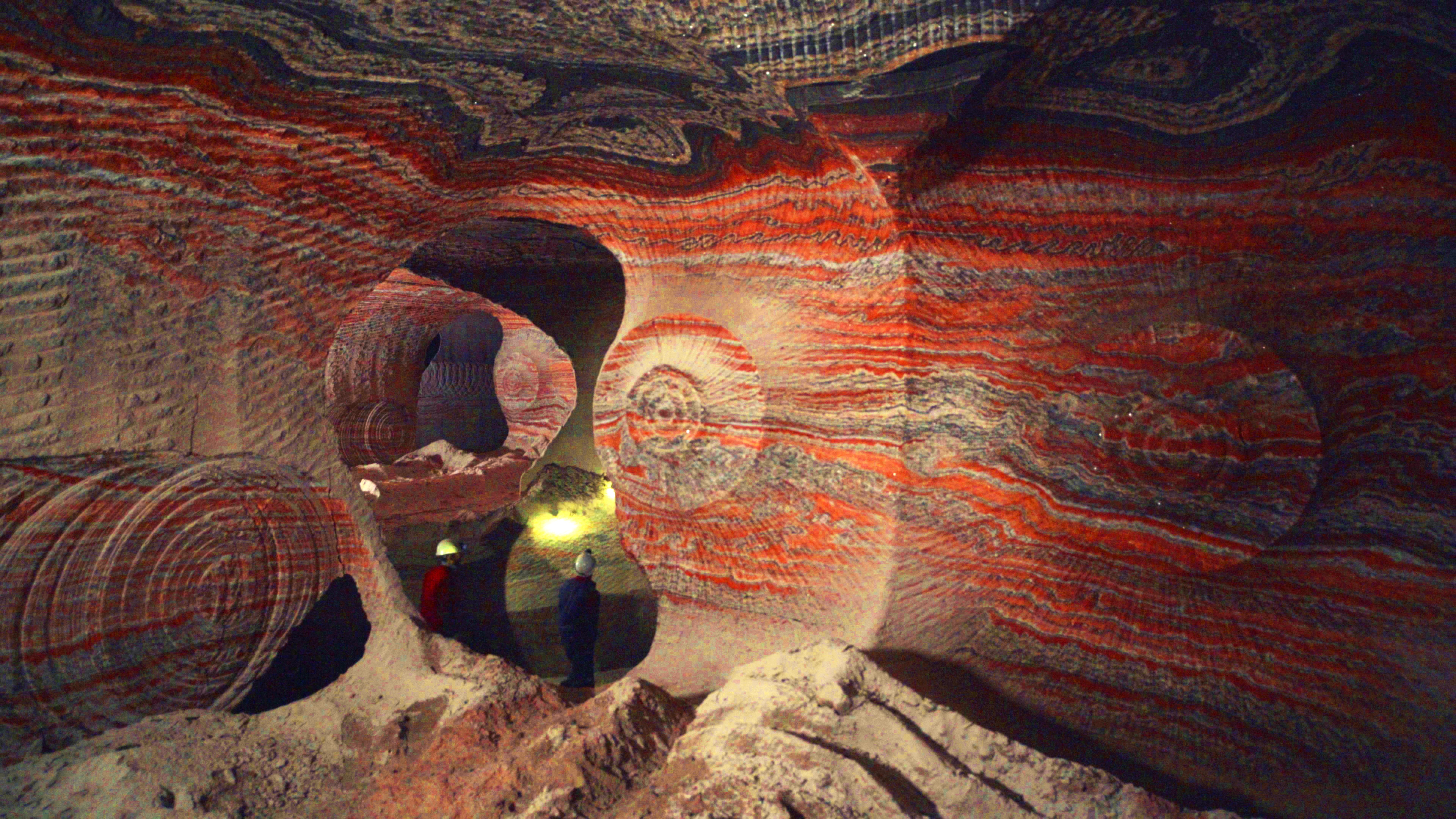
From concrete seawalls in China that now cover 60% of the mainland coast, to the biggest terrestrial machines ever built in Germany, to psychedelic potash mines in Russia’s Ural Mountains, to metal festivals in the closed city of Norilsk, to the devastated Great Barrier Reef in Australia and massive marble quarries in Carrara, the filmmakers have traversed the globe using state of the art camera techniques to document the evidence and experience of human planetary domination. At the intersection of art and science, Anthropocene: The Human Epoch witnesses a critical moment in geological history — bringing a provocative and unforgettable experience of our species's breadth and impact.

Kaouther Ben Hania
In just five short years, Tunisian director Kaouther Ben Hania has garnered two Oscar nominations and two prestigious wins at Cannes and Venice, catapulting her onto the international film circuit as one to watch. In 2020, her feature The Man Who Sold His Skin won the Best Actor prize at the Venice Film Festival’s Horizons Section. The following year, it was nominated for an Academy Award for Best International Feature. But it’s Ben Hania’s 2023 film Four Daughters that really established her as one of the boldest and most original voices in film today. The documentary-narrative hybrid defies genre to explore the nature of memory, rebellion, and the ties that bind mothers and daughters. Four Daughters won the coveted l'Oeil d'Or at the 2023 Cannes Film Festival and the following year was nominated for Best Documentary Feature at the Academy Awards.
.jpg)
Four Daughters (2023)
Winner of the Best Documentary prize at Cannes and the Gotham Awards, this riveting documentary by Oscar-nominated filmmaker Kaouther Ben Hania uses an audacious formal conceit to tell the story of Olfa Hamrouni and her four daughters. Attempting to answer the question of how and why the Tunisian woman’s two eldest were radicalized, Ben Hania reveals a complex family history.

Lila Avilés
Mexican director, producer, and screenwriter Lila Avilés has a unique gift for painting tender, intimate portraits that take us inside a character like few directors can. In her latest film, Tótem, a 7-year-old girl attends her father’s birthday but slowly realizes the gravity of this year’s celebration. The film has won top prizes at film festivals around the world and was Mexico’s selection for Best International Feature Film for the 2024 Academy Awards. But it was her feature debut, 2018’s The Chambermaid, that put Avilés on the map. A quiet, meditative study of a hotel maid slowly simmering to a boil by the external forces around her, the film set a tone for the director’s signature brand of compassionate portraiture. Avilés herself puts it best: “Directing is an exercise in taking care of hearts.”

The Chambermaid (2019)
In her feature debut, theater director Lila Avilés turns the monotonous work day of Eve, a chambermaid at a high-end Mexico City hotel, into a beautifully observed film. Set entirely in this alienating environment, with extended scenes taking place in the guest rooms, hallways, and cleaning facilities, this minimalist yet sumptuous movie brings to the fore Eve’s hopes, dreams, and desires.
Leyla Bouzid
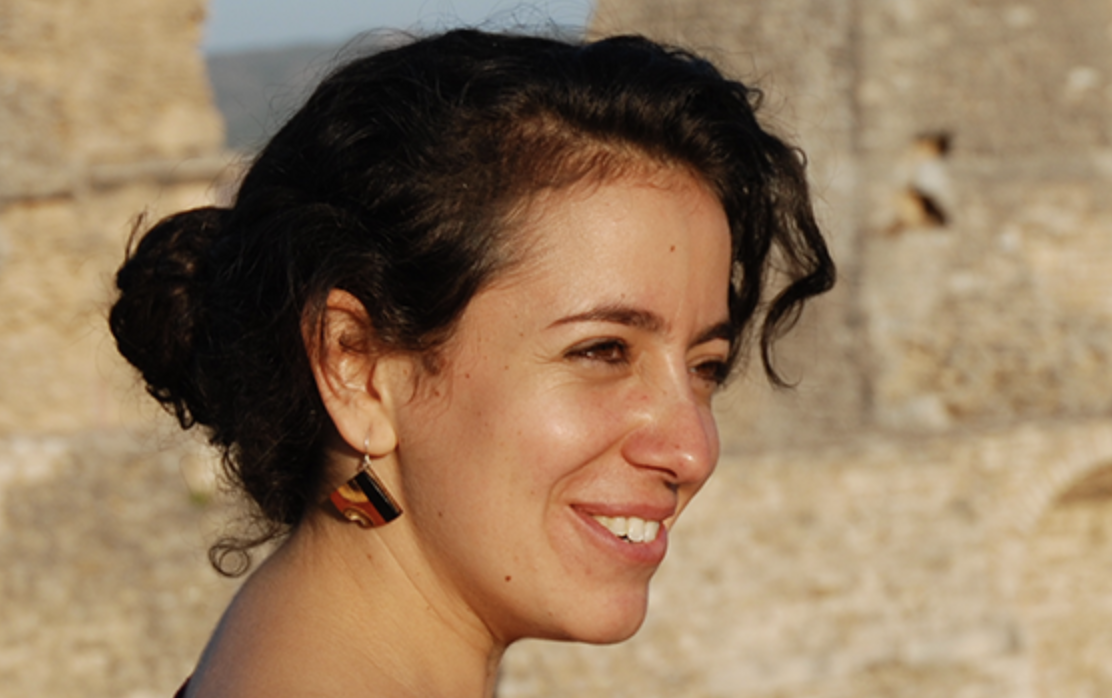
Born in Tunis and raised between Tunisia and France, Leyla Bouzid has emerged as one of the most vital voices in contemporary North African cinema. The daughter of acclaimed Tunisian director Nouri Bouzid, she has carved out her own distinct path with intimate, politically attuned storytelling. Her debut feature, As I Open My Eyes, premiered at the Venice Film Festival and went on to win multiple international awards, announcing her as a bold new talent. She followed with A Tale of Love and Desire, a sensual, emotionally layered coming-of-age drama that further cemented her reputation. Bouzid’s films are marked by their naturalistic performances, lyrical intensity, and a fearless exploration of youth, desire, and resistance.
As I Open My Eyes (2015)
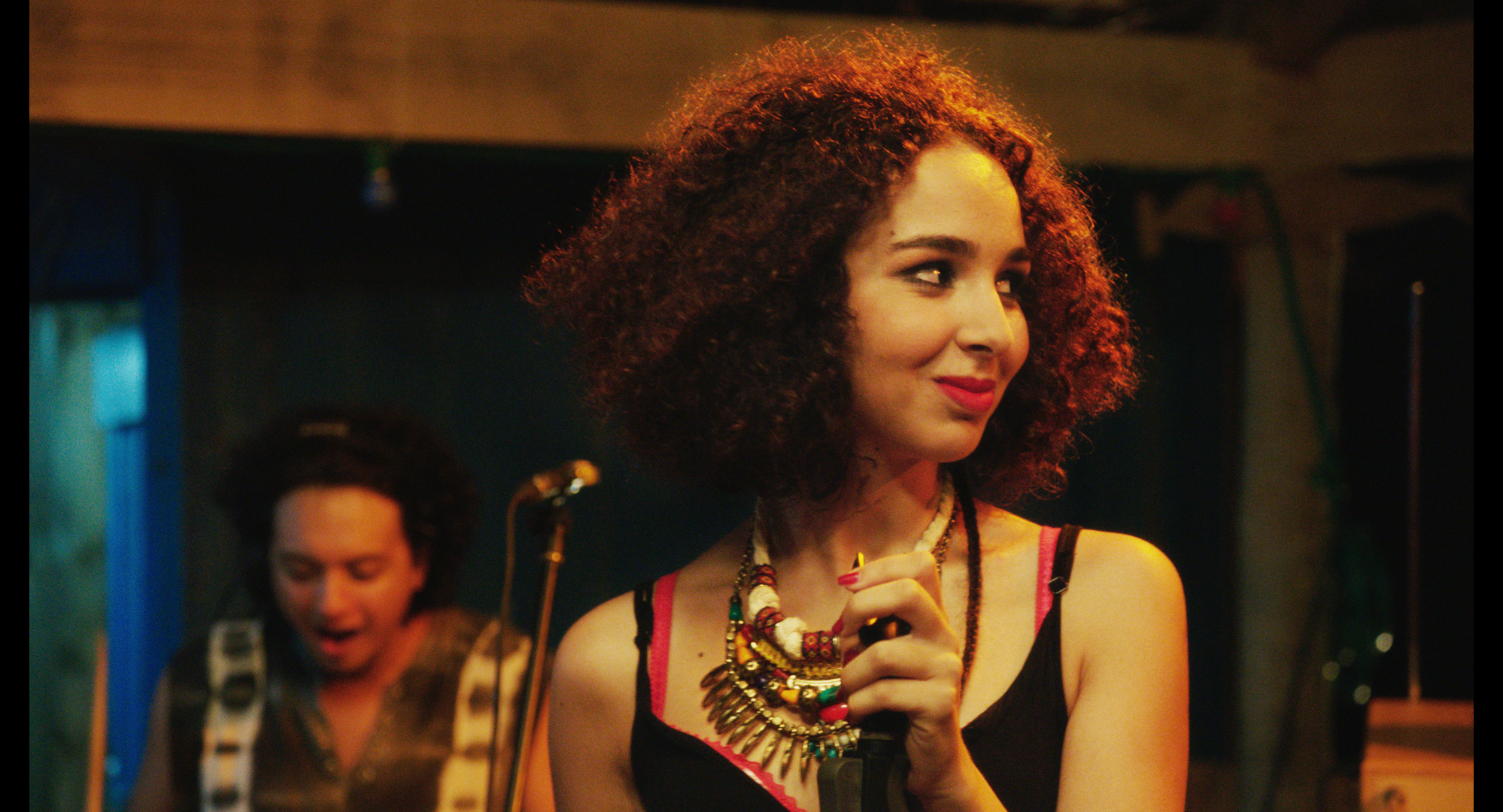
As I Open My Eyes depicts the clash between culture and family as seen through the eyes of a young Tunisian woman balancing the traditional expectations of her family with her creative life as the singer in a politically charged rock band. Director Leyla Bouzid's musical feature debut offers a nuanced portrait of the individual implications of the incipient Arab Spring.
Ramata Toulaye-Sy
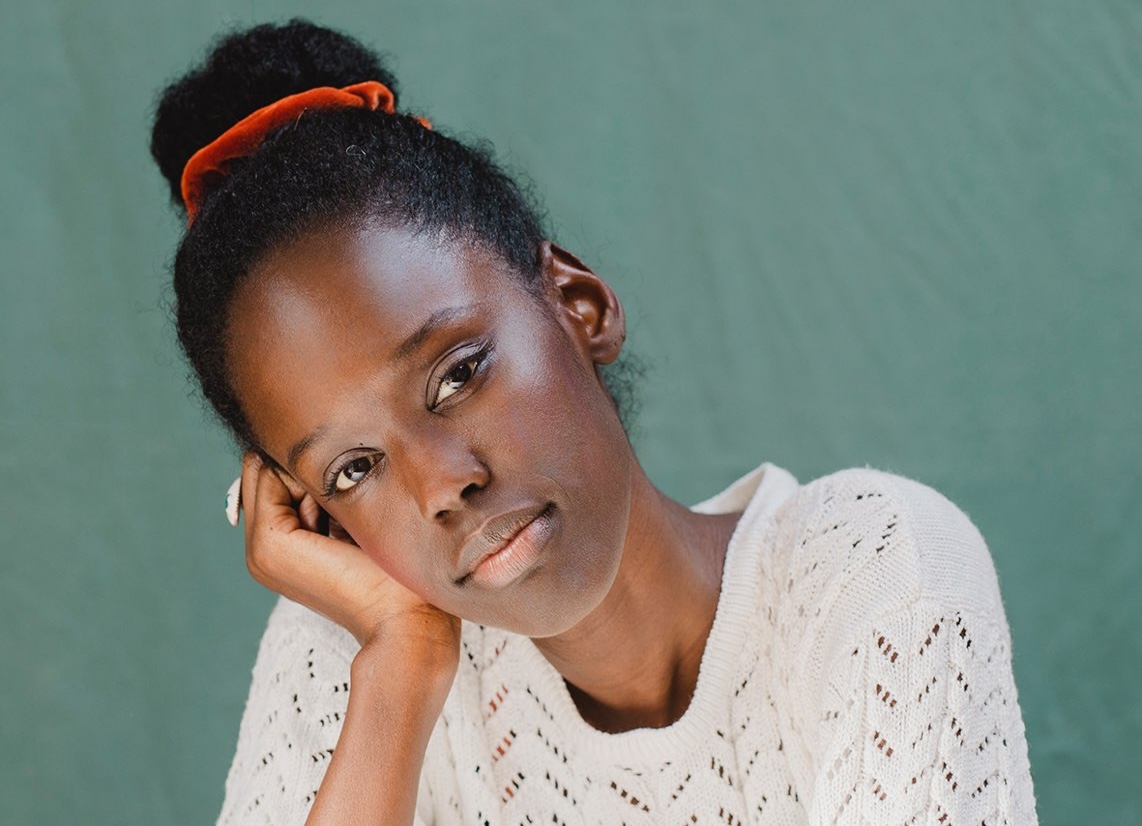
After graduating from the University of Paris Nanterre and La Fémis with a concentration in screenwriting, French-Senegalese filmmaker Ramata Toulaye-Sy cut her teeth as a screenwriter for the award-winning films Sibel and Our Lady of the Nile before directing her first feature film Banel & Adama. The Senegalese love story follows a young couple trying to carve their own life away from the stifling traditions of their village and features one of the most memorable anti-heroines in recent film history. The film’s engrossing story, complex characters, and visually striking cinematography caught the attention of critics and earned Sy two major nominations at the 2023 Cannes Film Festival: the Palm d’Or and the Golden Camera. Kino Lorber had the chance to sit down with Sy to chat about Banel & Adama; you can watch our interview here.
.jpg)
Banel & Adama (2024)
Banel and Adama are fiercely in love. For them, nothing else exists except each other. But duty dictates that Adama accept the role of chief of their Senegalese village. The two lovers have their own plans… until something in the air changes. The rains do not come, the cattle die off, the men leave. The curse weighs on Adama and the chasm between them drives Banel into a feverish, mystical chaos.
TildaCobham-Hervey_CreditbyBryanMason.jpg)
Sophie Hyde
Sometimes your debut feature sets the bar high for the rest of your career. Australian director Sophie Hyde burst onto the scene with 52 Tuesdays, which won the World Cinema Dramatic Directing Award at the 2014 Sundance Film Festival and the Crystal Bear at the Berlin Film Festival the same year. Shot one day a week over 52 weeks, the drama follows a teen dealing with her mother’s gender reassignment surgery. Since then, Hyde has proven that her early success was not a fluke with the follow-up hits, Animals, Good Luck to You, Leo Grande, and Jimpa which stars Olivia Colman and John Lithgow and premiered at the Sundance Film Festival in 2025. When asked what her throughline is with storytelling and directing, Hyde told the Academy of Motion Picture Arts and Sciences, “I'm always thinking about the audience and their experience. I never want it to feel like they're observers. I want the audience to feel with the characters.”
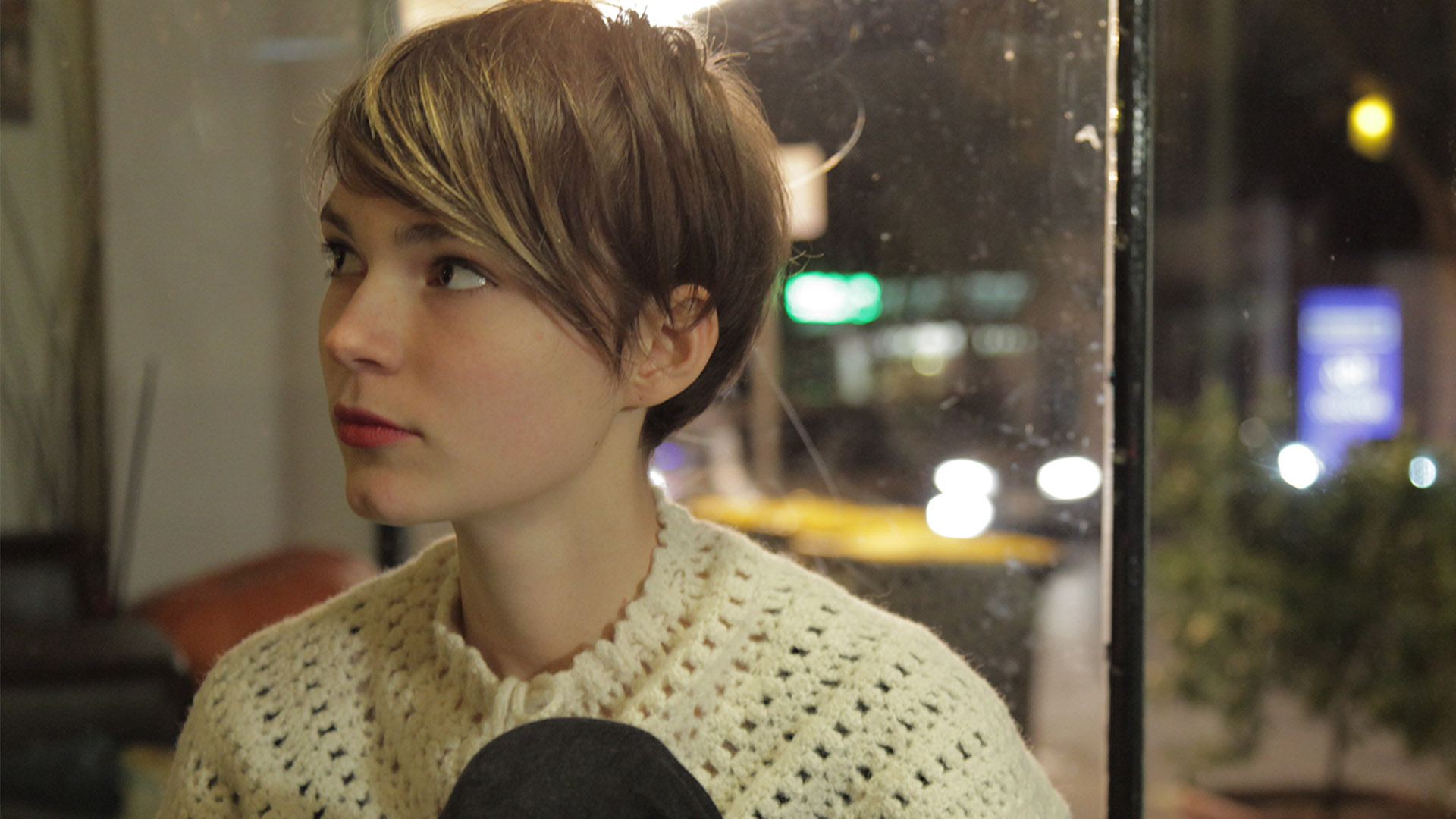
52 Tuesdays (2013)
16-year-old Billie's reluctant path to independence is accelerated when her mother reveals plans for a gender transition and their time together becomes limited to Tuesday afternoons.
Ursula Meier
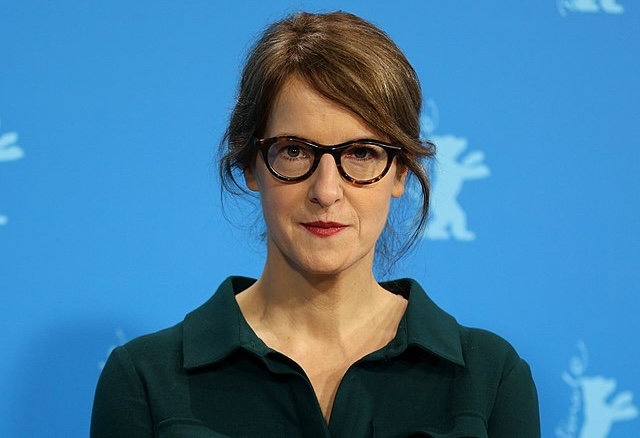
Swiss director Ursula Meier has been on the rise since her 2008 theatrical feature debut Home, starring the iconic Isabelle Huppert about a family whose tranquil rural life is turned upside down with the construction of an encroaching highway. Her next feature similarly explores the relationship between family and environment. 2012’s Sister stars Léa Seydoux as an irresponsible drifter who lives with her younger brother in a housing complex below a luxury ski resort. Boasting superb performances by Seydoux and Kacey Mottet Klein as her younger brother, Sister won a Silver Bear award at the 2012 Berlin Film Festival. With Meier’s next feature, The Line, she continued doing what she does best: unraveling familial dynamics when threatened by the boundaries of their surroundings.
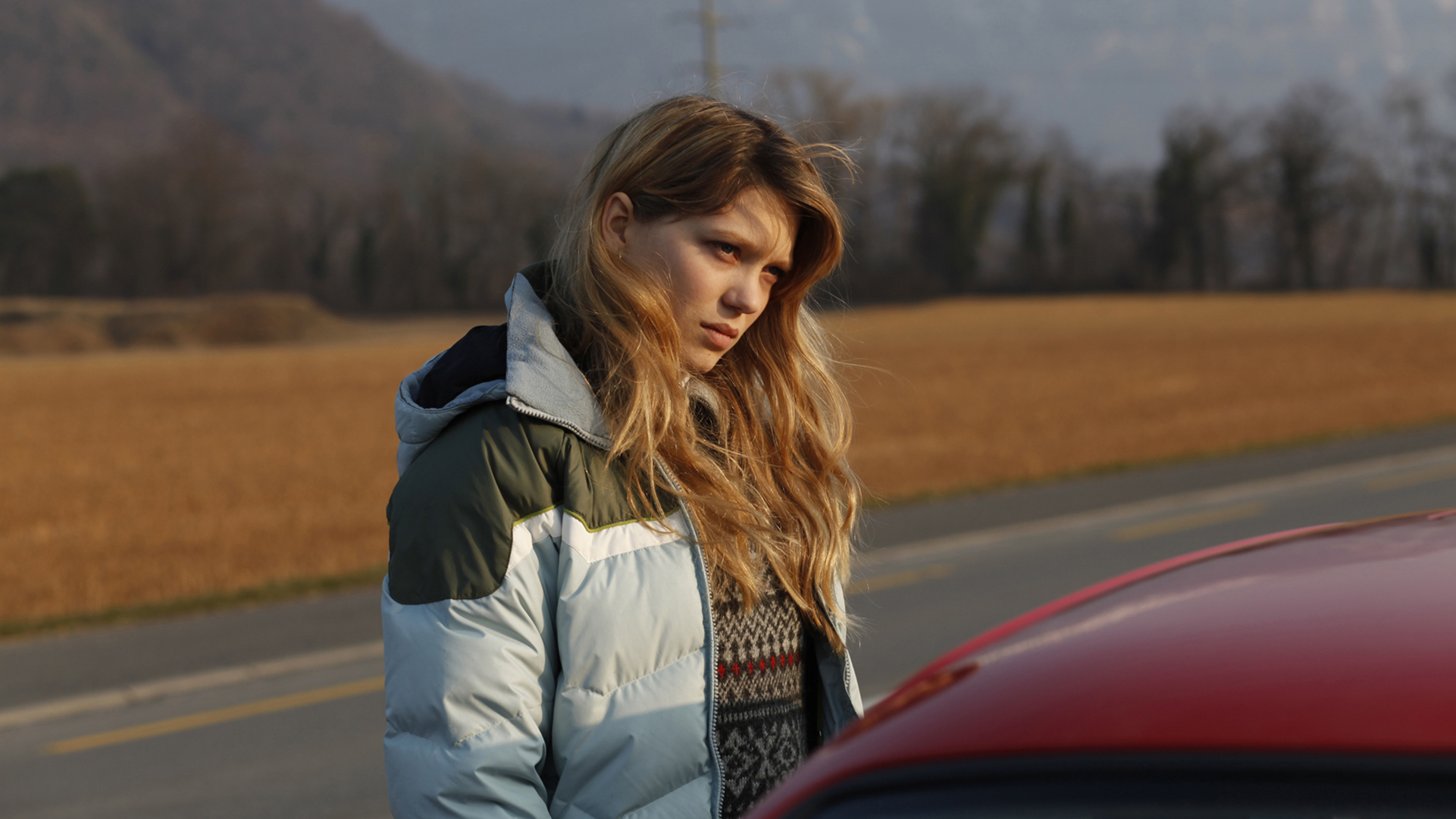
Sister (2012)
Winner of the Silver Bear at the Berlin Film Festival, Ursula Meier's film follows a young boy who lives with his older sister (Léa Seydoux) in a housing complex below a luxury Swiss ski resort. While she drifts in and out of jobs and relationships, he takes on the responsibility of providing for the two of them by stealing equipment from rich tourists to resell to the local kids down in the valley.
Sepideh Farsi
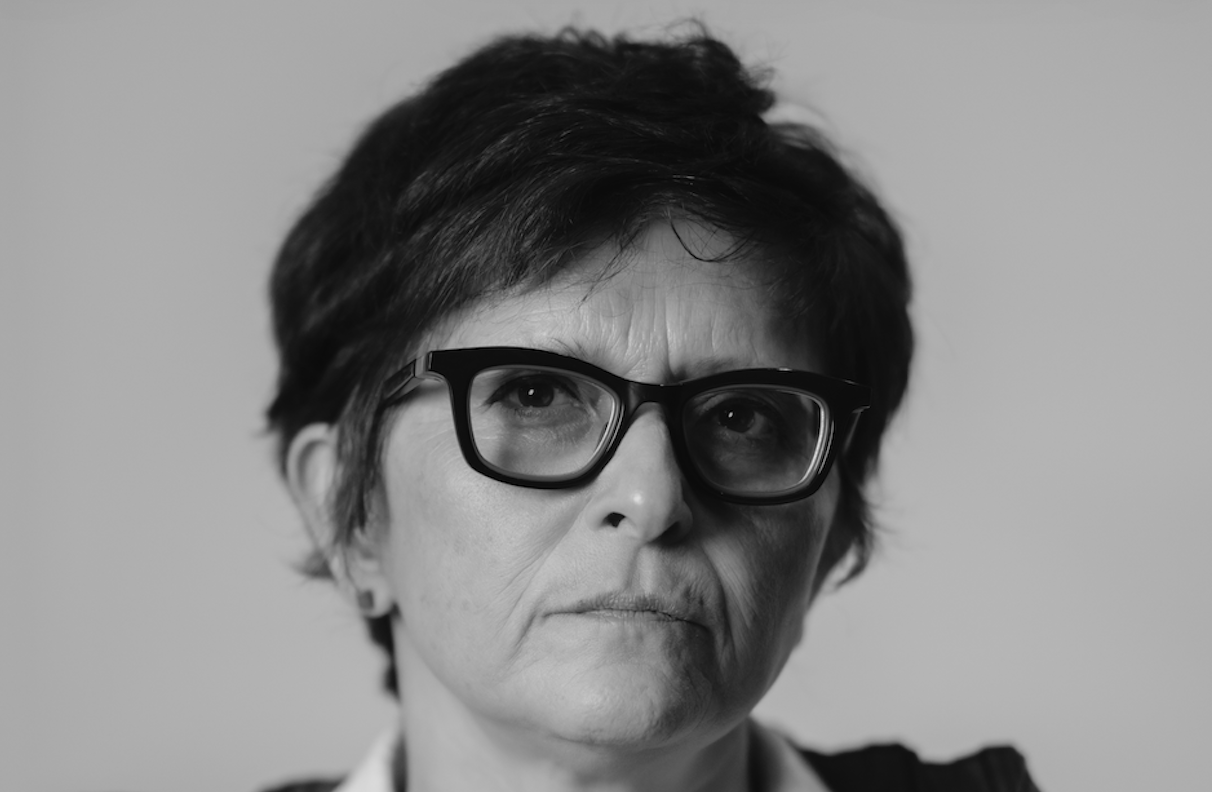
Sepideh Farsi is a filmmaker known for her fiercely independent voice and politically engaged storytelling. Her work often explores displacement, resistance, and life under repression through intimate, personal perspectives. With films like Red Rose and Put Your Hand on Your Soul and Walk, she blends documentary immediacy with powerful humanism, creating urgent portraits of people living through conflict.
Put Your Hand on Your Soul and Walk (2025)
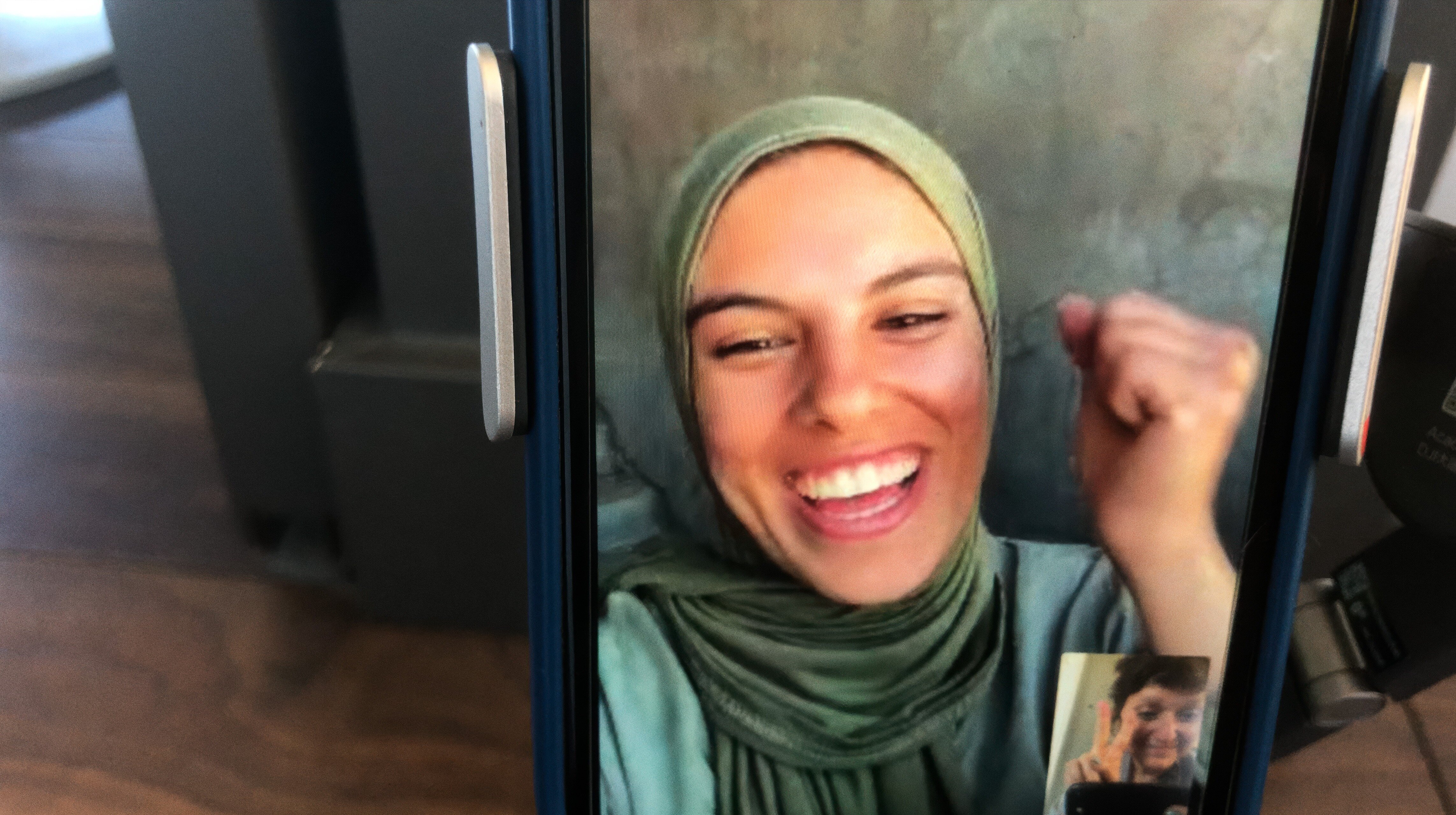
This intimate, first-hand perspective on life under siege in Gaza is told through video calls between director Sepideh Farsi and 25-year-old Palestinian photojournalist Fatma Hassona, whose generation is trapped in an endless cycle of war, starvation, and resistance. Combining raw immediacy with deep humanity, this essential document now stands as a heartfelt memorial and final testament.
Sally Aitken
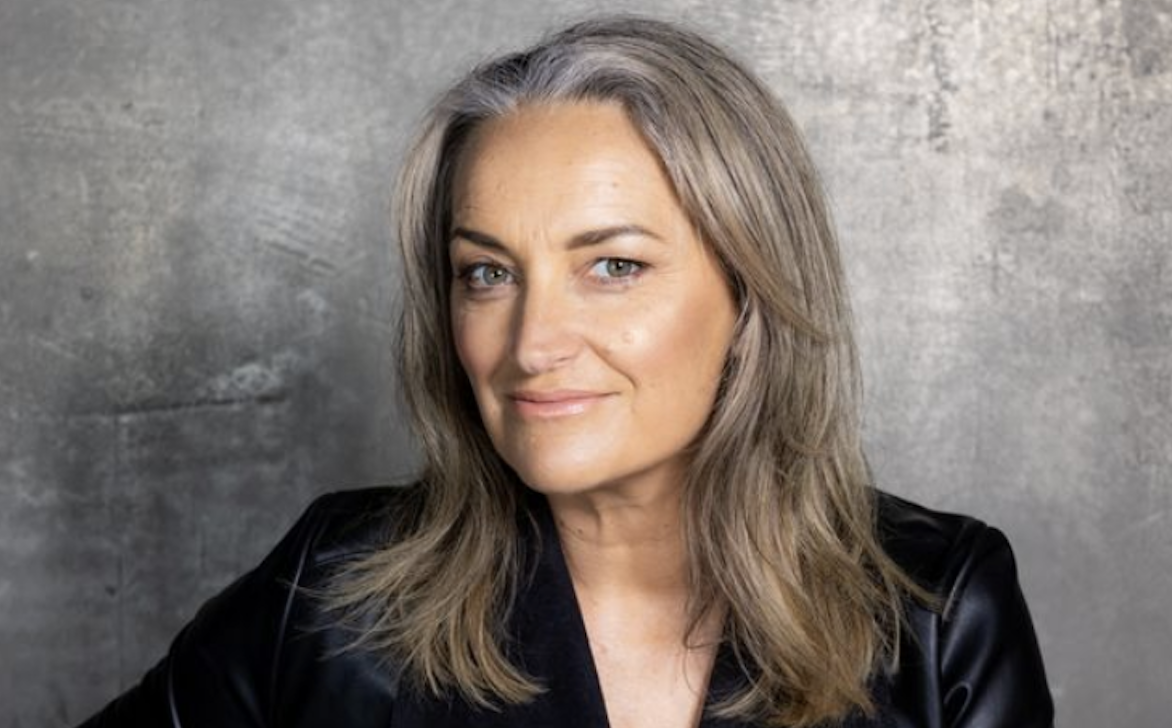
Sally Aitken is an award-winning documentary filmmaker known for her character-driven storytelling and keen insight into cultural moments. Her work often explores ambition, creativity, and the people behind powerful ideas through intimate access and thoughtful observation. In Every Little Thing, she brings depth and sensitivity to a story rooted in care and connection, capturing the quiet impact of personal passion and purpose.