‘Suburban Fury’ Examines the Fragile Line Between Ideology and Extremism
In September 1975, Sara Jane Moore stood outside the St. Francis Hotel in San Francisco and fired a revolver at President Gerald Ford. The shot missed after bystander Oliver “Billy” Sipple grabbed her arm at the last second. It’s the kind of moment often flattened into political trivia, but Suburban Fury is interested in everything that version leaves out.
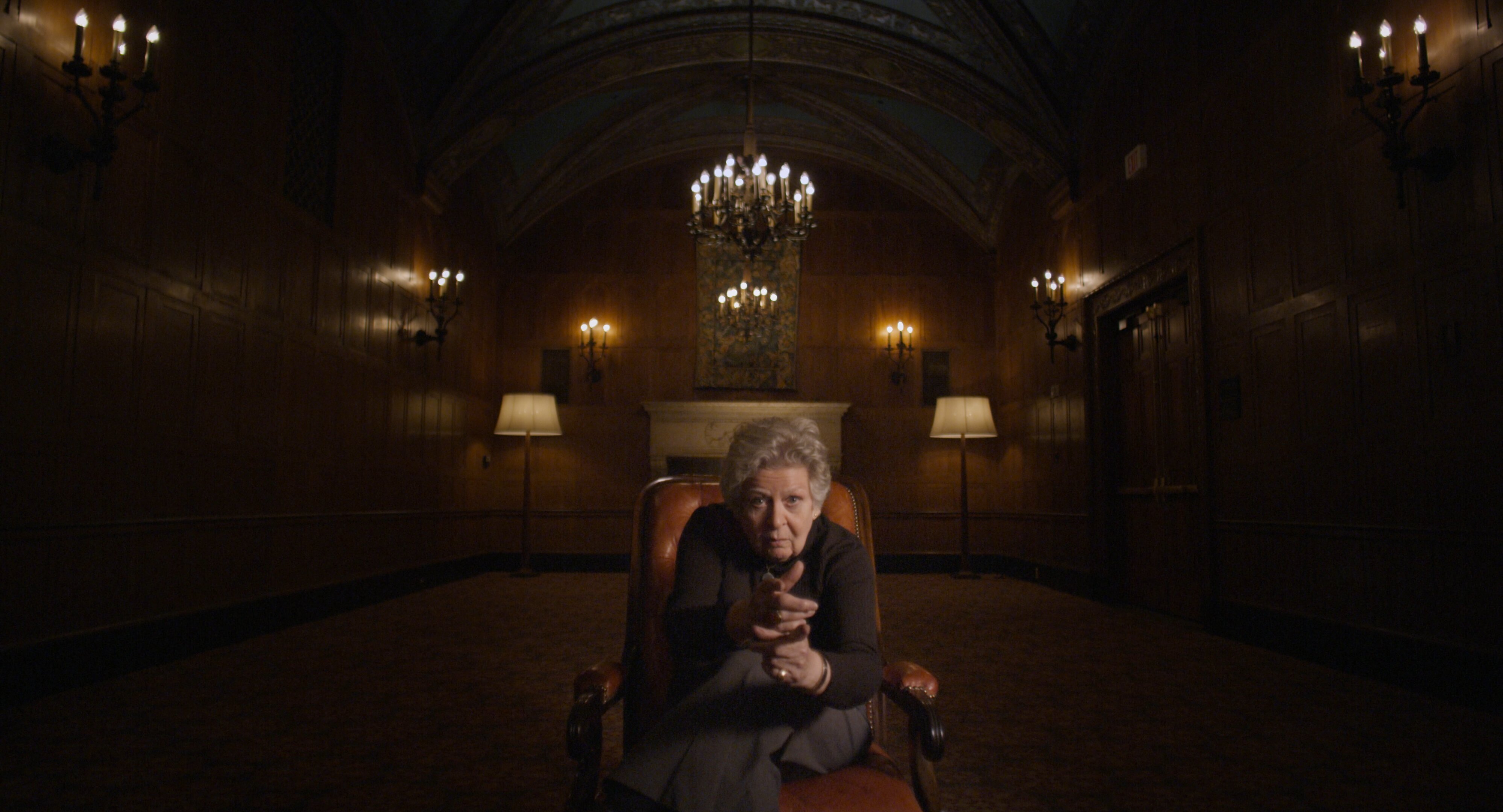
Director Robinson Devor originally intended to make a film about Sipple before realizing Moore herself held the deeper story. After reading Geri Spieler’s biography, Taking Aim at the President: The Remarkable Story of the Woman Who Shot at Gerald Ford, Devor said he “instantly knew she had the psychological complexity and lifespan across many periods of American history and politics to make a great documentary.” After serving a life sentence, Moore was released from prison in 2007. Three years later, Devor began working with her on his documentary, capturing a subject still actively reshaping and reconsidering her own past.
That instability becomes the film’s central tension. Before the assassination attempt, Moore worked as an FBI informant embedded within leftist organizing circles around the Bay Area. What fascinated Devor most was the contradiction within her politics. “She aligned with the Right as she became radicalized by the Left,” he told Kino Lorber. Even while drifting toward extremism, Moore still admired the FBI and believed she was helping maintain order.
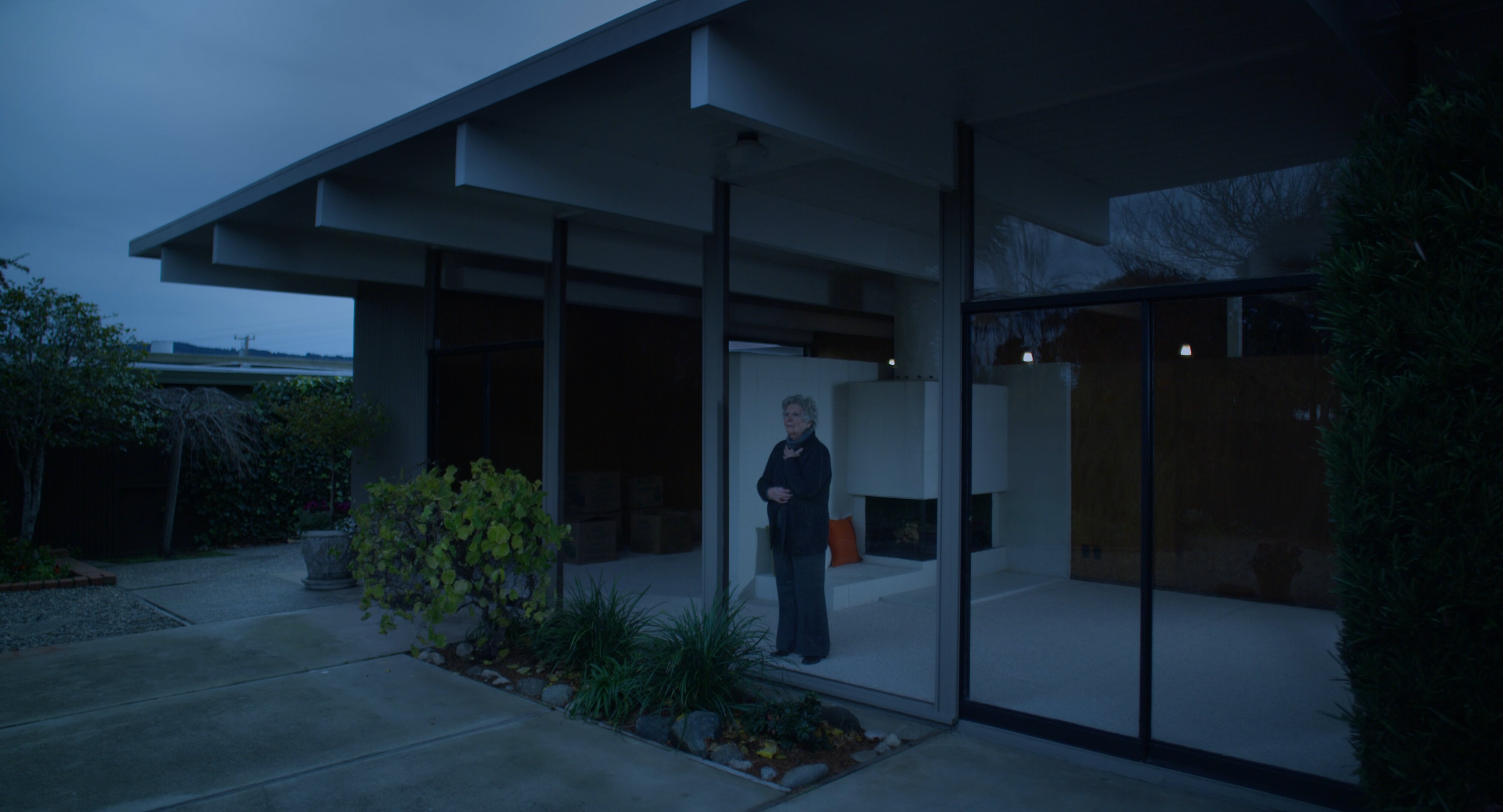
Through Moore’s firsthand recollections, archival footage, and imagined exchanges with her FBI handler, Suburban Fury unfolds less like a traditional political documentary and more like a psychological portrait. Memory, performance, and truth begin to blur together as Moore attempts to control her own narrative in real time. Over the course of making the film, Devor came to see it less as a story about radicalization and more about “the manipulation of narrative.”
"I used to think, well, this is a film about the ease of radicalization," Devor explained. "I now see things differently. The film is a portrait of one person's struggle to stay on point, a battle to condition the truth, and a suppression and disorientation of honesty."
What makes the film especially haunting is how contemporary it feels. Though rooted in 1970s America, Moore’s shifting realities and political ideologies feel eerily familiar in today’s fractured media landscape. Fifty years after the attempt, Suburban Fury remains unsettling because it reveals how loneliness, ideology, resentment, and the desire for meaning can combine into something deeply dangerous.
Stream Suburban Fury on Kino Film Collection now.
Suburban Fury
Suburban Fury is a gripping portrait of Sara Jane Moore, a single mother from suburban San Francisco who, in 1975, attempted to assassinate President Gerald Ford. More than a historical retelling, the film is an intimate character study — and a chilling mirror of America’s ideological divide. Framed around unprecedented access to Moore herself, it unfolds as a first-person monologue shot across the Bay Area sites where her radicalization took root. Blending rare archival footage with a stylized imagined exchange between Moore and her FBI handler, Suburban Fury traces her transformation from patriotic volunteer and government informant to disillusioned revolutionary with a gun in her hand. Fifty years later, Moore’s story feels eerily prescient — a reflection of how ordinary citizens can be swept into extremism, conspiracy, and rage. Suburban Fury doesn’t offer easy answers; instead, it immerses us in one woman’s unraveling and the country that mirrored her fracture.