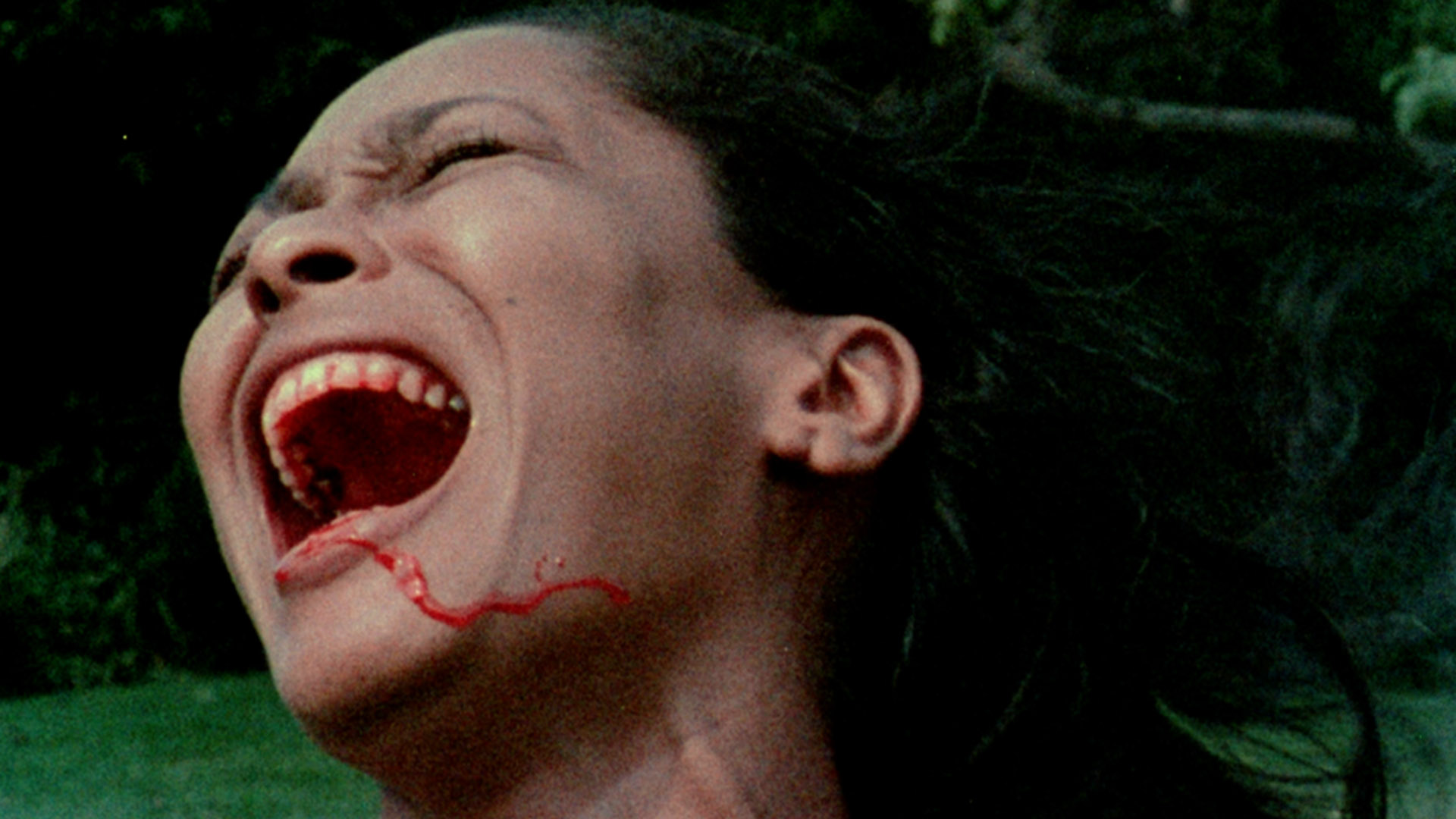
Bill Gunn’s Afro-Surrealist Film ‘Ganja & Hess’ Paved the Way For Black Horror
In the wake of Sinners reinvigorating a love for Black horror, let us reminisce on one of the first groundbreaking Black vampire films to revolutionize the genre. No, I'm not talking about Blacula (1972), even though it gave Tod Browning’s Dracula (1931) a good run for its money. I’m talking about the Afro-Surrealist nightmare that is Bill Gunn’s vampire romance Ganja & Hess. In 1973, the horror film premiered at Cannes, where it was also recognized as one of the ten best American films of the decade. Written, directed, and featuring Bill Gunn, Ganja & Hess has left its unique imprint on the horror genre ever since.
When anthropologist Hess Green, played by Duane Jones (Night of the Living Dead), is stabbed with an ancient Egyptian dagger by his unstable assistant George (played by Gunn), he is cursed with an unquenchable bloodlust and blessed with the gift of immortality. When the assistant’s beautiful and outspoken wife Ganja (Marlene Clark) comes searching for her missing husband, she and Hess form an unexpected partnership sealed in blood.
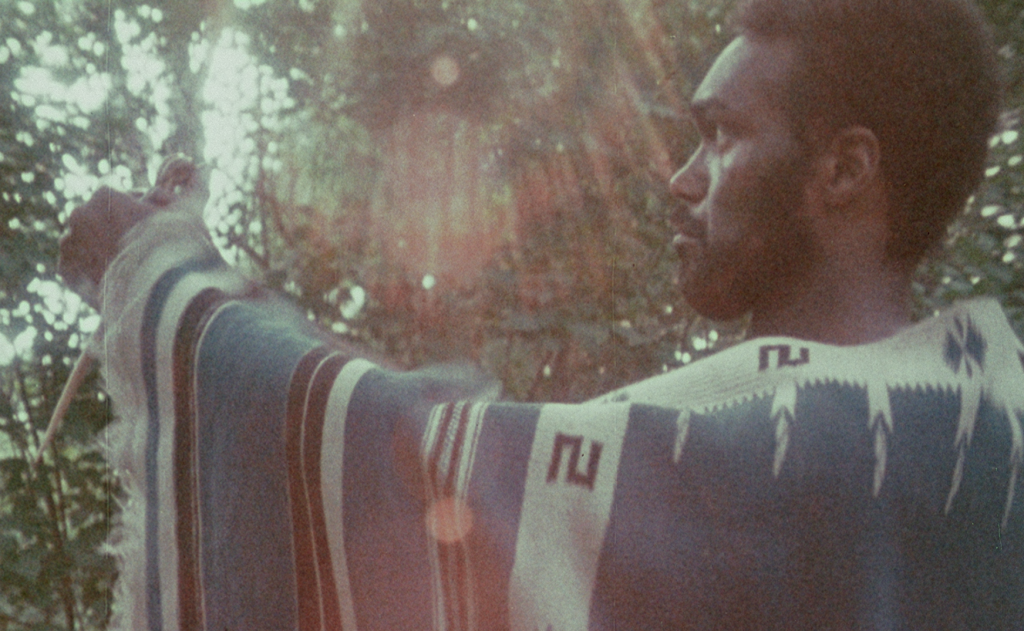
Following the emergence of Afro-Futurist jazz and the Blaxploitation genre in the ‘70s, this Afro-Surrealist horror film embodies a sort of dark dissonance in its exploration of race, religion, sex, and more. A sensual nightmare that disorients its viewer leaving your teeth grinding, your eyes squinting, and your lips yearning for more. Through a devious romance painted in blood, Ganja and Hess explore the power of vampirism through themes of addiction and desire. What does it mean to resist the temptation of life and death itself?
Born in Philadelphia in 1934 to a family of artists and theater enthusiasts, Gunn naturally pursued his own career as a theater and film actor, making his Broadway debut in the 1954 production of The Immoralist, starring James Dean, and The Member of the Wedding with Ethel Waters in 1955. Before becoming a screenwriter and filmmaker, he was a successful playwright and director of Marcus in the High Grass (1959), Celebration (1965), and the one-act Johnnas (1968). In 1970, he became one of the earliest Black filmmakers to direct a film for a major studio with his directorial debut Stop, of which he also served as the film’s screenwriter, co-producer, and casting director. But due to the X rating of the film it was shelved by Warner Bros. and never saw the day of light.
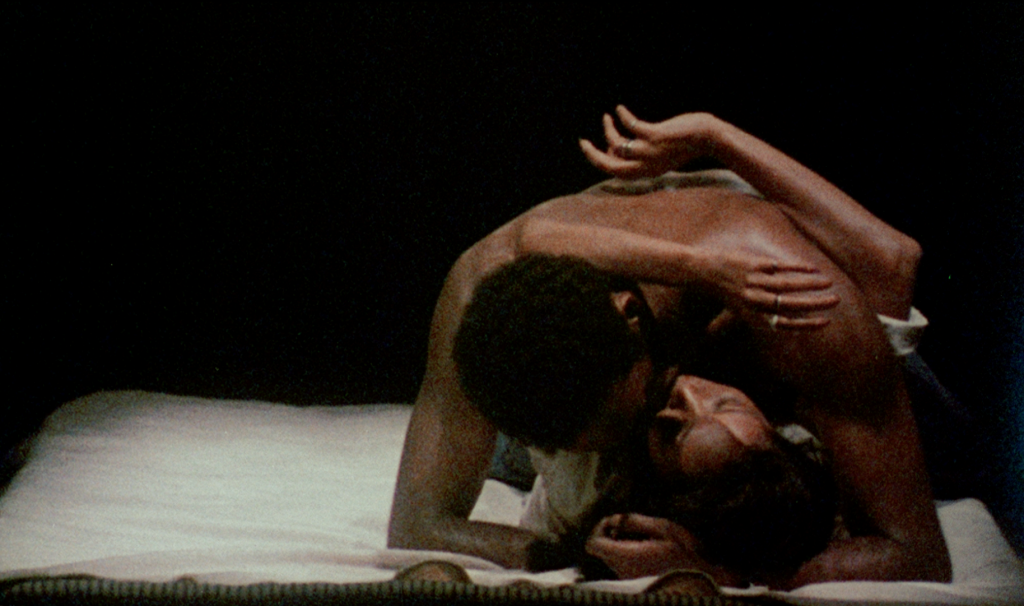
His next film was the iconic Ganja & Hess. The film inherits the blooming tradition of Blaxploitation in its unapologetic characters and visual style, while channeling the spirit of bloody horror. The hauntingly haptic visuality of the film was led by renowned African-American cinematographer, photographer, and Civil Rights documentarian James E. Hinton. The soundtrack, composed and performed by Sam Waymon, award-winning composer and musician known as “the brother to Nina Simone,” further exasperates the dissonant and unsettling textures of this film. Its characters, each driven by their own selfish motivations, find themselves entangled in a conundrum of lust, love, and power that eats away at them from the inside out. Gunn wasn’t afraid to explore the dark, vulnerable sides of humanity where the apple of temptation and desire lies in wait. However, Ganja & Hess manages to navigate these dark corners with such abandon and rawness that a beauty emerges from the chaos, like the flicker of a flame.
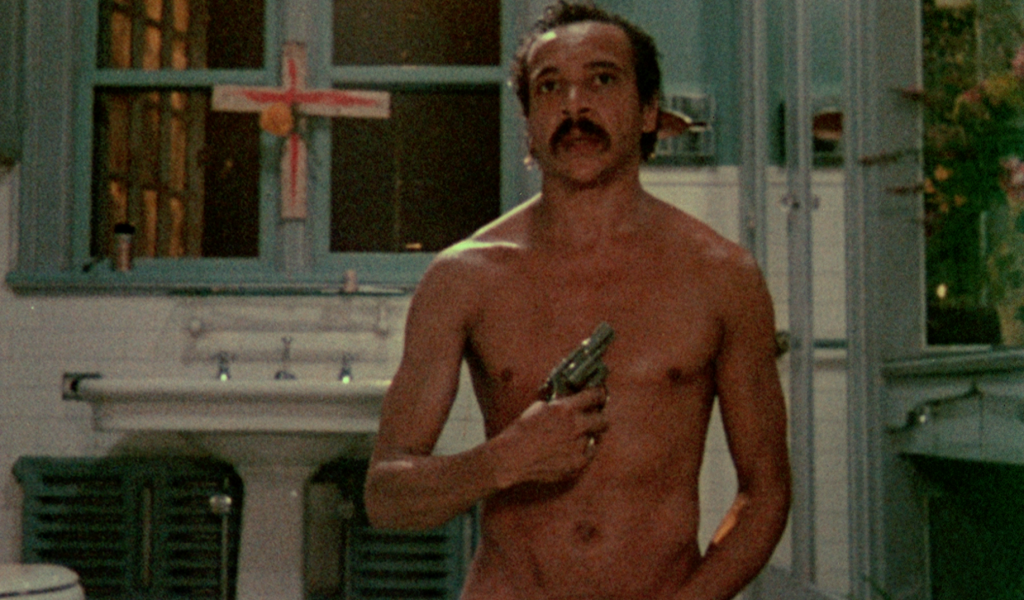
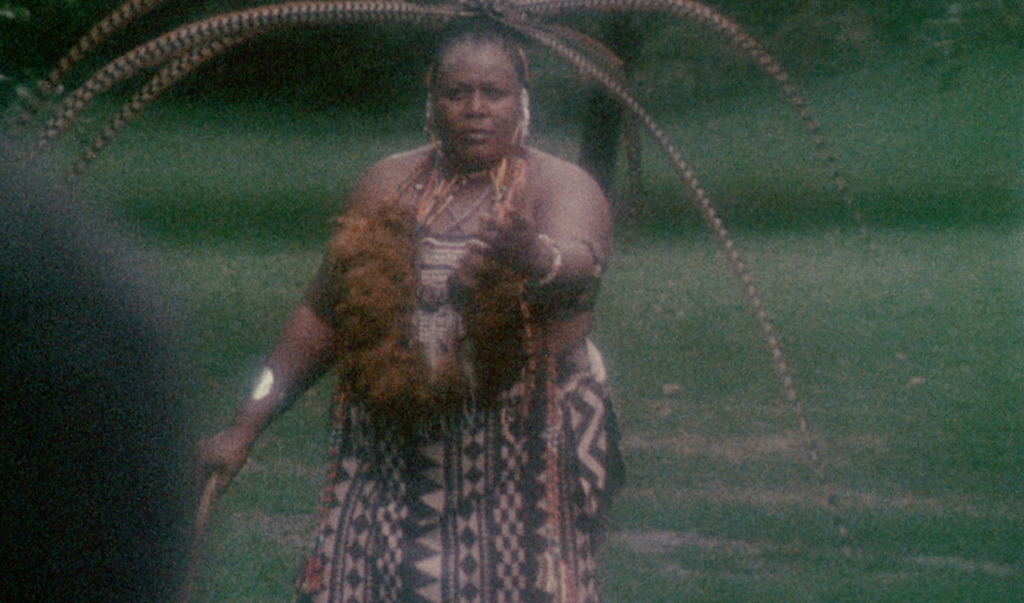
Despite high acclaim, an underperformance at the box office in 1973 led the producers to recut an inferior version of the film and retitle the DVD as Blood Couple, fortifying a history of exploiting and undermining the artistry of Black filmmakers. But that artistry endured nonetheless, and decades later The Museum of Modern Art restored Gunn’s original cut of the film, mastered in HD from a 35mm negative with the help of The Film Foundation. In 2024, Ganja & Hess was selected for preservation in the Library of Congress's National Film Registry. Its legacy continues to resonate, inspiring the next generation of filmmakers like Spike Lee, who remade the film in 2014 as Da Sweet Blood of Jesus.
Today Ganja & Hess remains a one-of-a-kind nightmare that brought something new and peculiar to the vampire genre. A true pinnacle of Black cinema. A seed sewn in the legacy of Black horror.
You can stream Ganja & Hess on Kino Film Collection and own the remastered cut on Blu-ray.
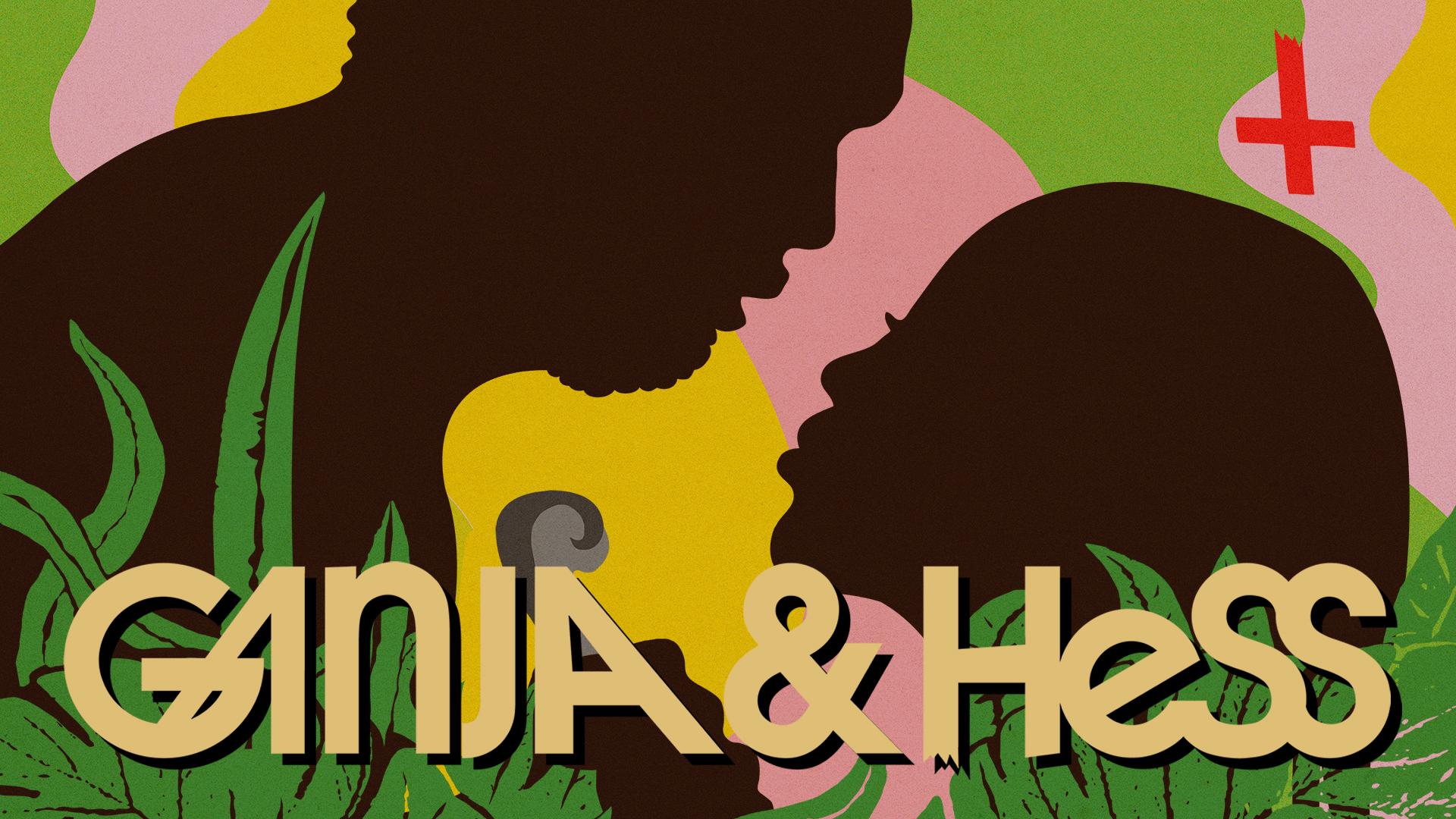
Ganja & Hess (1973)
Flirting with the conventions of blaxploitation and horror, Bill Gunn’s revolutionary independent film is a highly stylized and utterly original treatise on sex, religion, and African American identity. Duane Jones stars as anthropologist Hess Green, who is stabbed with an ancient ceremonial dagger, bestowing upon him the blessing of immortality...and the curse of an unquenchable thirst for blood.