


Who Is Bette Gordon? Meet the Director Who Reclaimed the Female Gaze
Some filmmakers leave their mark by creating instantly recognizable images. Others reshape the way we think about cinema itself. Throughout her career, Bette Gordon has done both, crafting films that challenge conventional ideas about desire, power, and who gets to control the act of looking. Emerging from the midwestern art scene in the mid 1970s, Gordon became a singular voice in American independent cinema by centering perspectives that had long been absent from the screen, particularly women's experiences of sexuality and agency. With Luminous Motion joining Kino Film Collection this week, we're taking a closer look at the work of a filmmaker whose daring, deeply human films continue to feel ahead of their time.
Gordon's early shorts reflected the influence of conceptual art and avant-garde filmmaking, interrogating the relationship between image, gender, and spectatorship. Even at this early stage, Gordon was interested in who controls the gaze—and what happens when women become active participants rather than passive subjects.
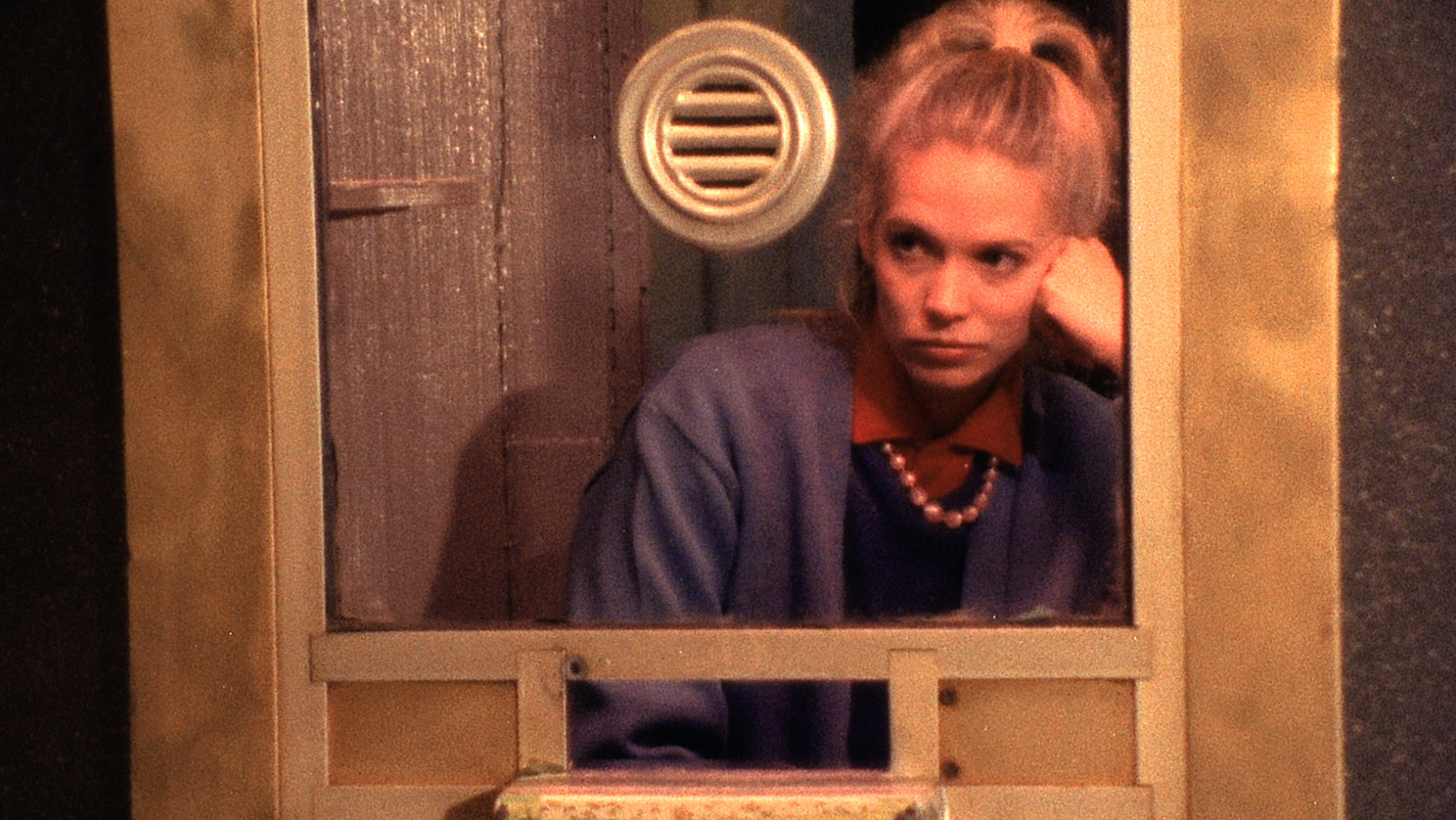
That fascination came into full focus with Variety (1983), the film that established Gordon as a major voice in feminist cinema. Set against the gritty backdrop of New York City's Times Square before its transformation, the film follows Christine, a young woman who takes a job at a porno theater and becomes increasingly fascinated by the fantasies unfolding around her. Rather than condemning or celebrating pornography, Variety complicates the conversation by centering female curiosity and desire. The result is a provocative character study that remains remarkably modern, asking who gets to look, who gets looked at, and whether those roles can ever truly be reversed.
Though Variety became Gordon's defining work, she resisted repeating herself. Her films continued to examine people living on society's margins while expanding into new emotional and thematic territory. Luminous Motion (1998), adapted from Scott Bradfield's novel, trades urban voyeurism for a dreamlike road movie, following a fiercely intelligent teenager and his mother as they drift across America in search of freedom. Blending coming-of-age drama with dark humor and flashes of surrealism, the film explores family, trauma, and imagination through the eyes of a young protagonist determined to make sense of an unpredictable world.

More than a decade later, Gordon returned with Handsome Harry (2009), another unexpected evolution. Starring Jamey Sheridan, Steve Buscemi, Campbell Scott, and John Savage, the film follows a Vietnam veteran who reunites members of his old Navy crew to confront a long-buried wartime secret. While far removed from the provocative sexuality of her earlier work, Handsome Harry shares Gordon's enduring interest in memory, guilt, and the emotional lives of people carrying invisible burdens. The film replaces voyeurism with introspection, revealing another side of Gordon's remarkably versatile filmmaking.

Across her career, Gordon has never been interested in fitting neatly into a single genre or movement. Whether examining female desire in Variety, the fragile bonds of family in Luminous Motion, or the lingering scars of war in Handsome Harry, she consistently places complicated characters at the center of stories that resist easy moral judgments. Her films are intimate without being sentimental, politically engaged without becoming didactic, and deeply invested in the idea that perspective shapes everything we see.
Stream these Bette Gordon classics now on Kino Film Collection.

Luminous Motion (1998)
In Bette Gordon’s dreamlike, erotically charged thriller, Deborah Kara Unger stars as an unnamed hustler crisscrossing the country with her ten-year-old son, Phillip. When she settles down with Pedro, a suburban carpenter, Phillip, accustomed to an outlaw life on the road, plots Pedro’s violent end until ghosts from their past, including his menacing father (Jamey Sheridan), close in.


Handsome Harry (2009)
Vietnam vet “Handsome” Harry Sweeney (Jamey Sheridan) has spent 30 years suppressing a love ended by betrayal. A call from an old Navy buddy (Steve Buscemi) pushes him to confront a 30-year-old crime, and seek out five men from his Navy past, each encounter revealing and obscuring the truth he must face.
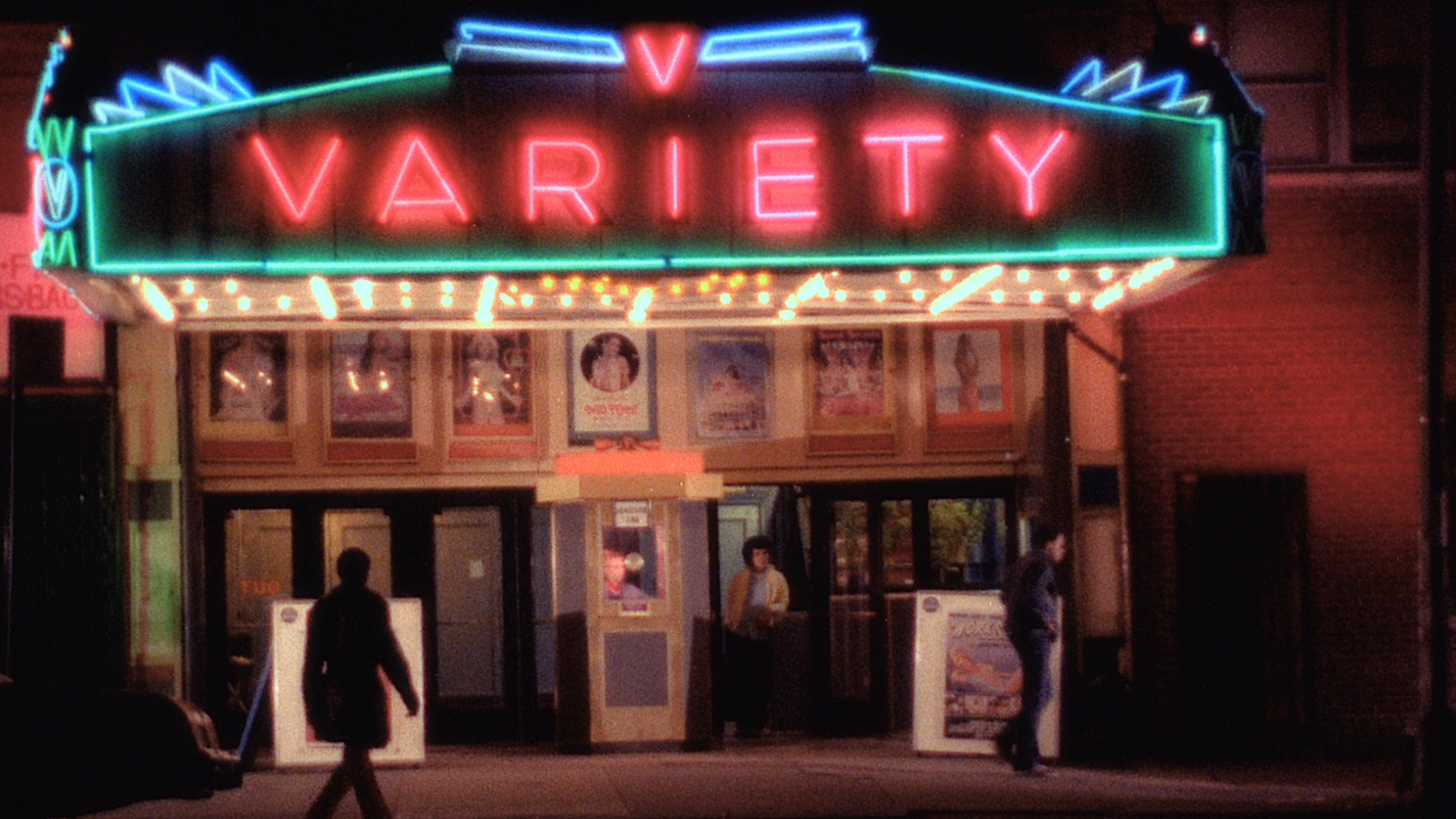
Variety (1984)
Emerging out of the underground NYC arts scene that produced the late 80's boom in American independent cinema, Bette Gordon's Variety is a sexually charged tale of a woman's journey of self-discovery after she takes a job selling tickets at a risqué Times Square movie theatre where she soon develops an obsession that begins to consume her life.