Fatih Akin’s Coming-of-Age Tale ‘Amrum’ Explores Innocence, Identity, and Morality in the Final Days of WWII
The core premise of Fatih Akin’s Amrum is deceptively simple: a young boy searches his village for white bread and honey for his pregnant mother. But zoom out and the film is something far more profound. Set during the final days of WWII, Amrum follows 12-year-old Nanning (played by newcomer Jasper Billerbeck), the big-hearted son of an SS officer and a die-hard Nazi, as he tirelessly hunts down ingredients while experiencing an ideological shift in both his town and in himself. Amrum is a tender, nuanced coming-of-age tale that demands neither judgment nor forgiveness. Instead, it simply observes a young boy’s moral conscience developing in real time.
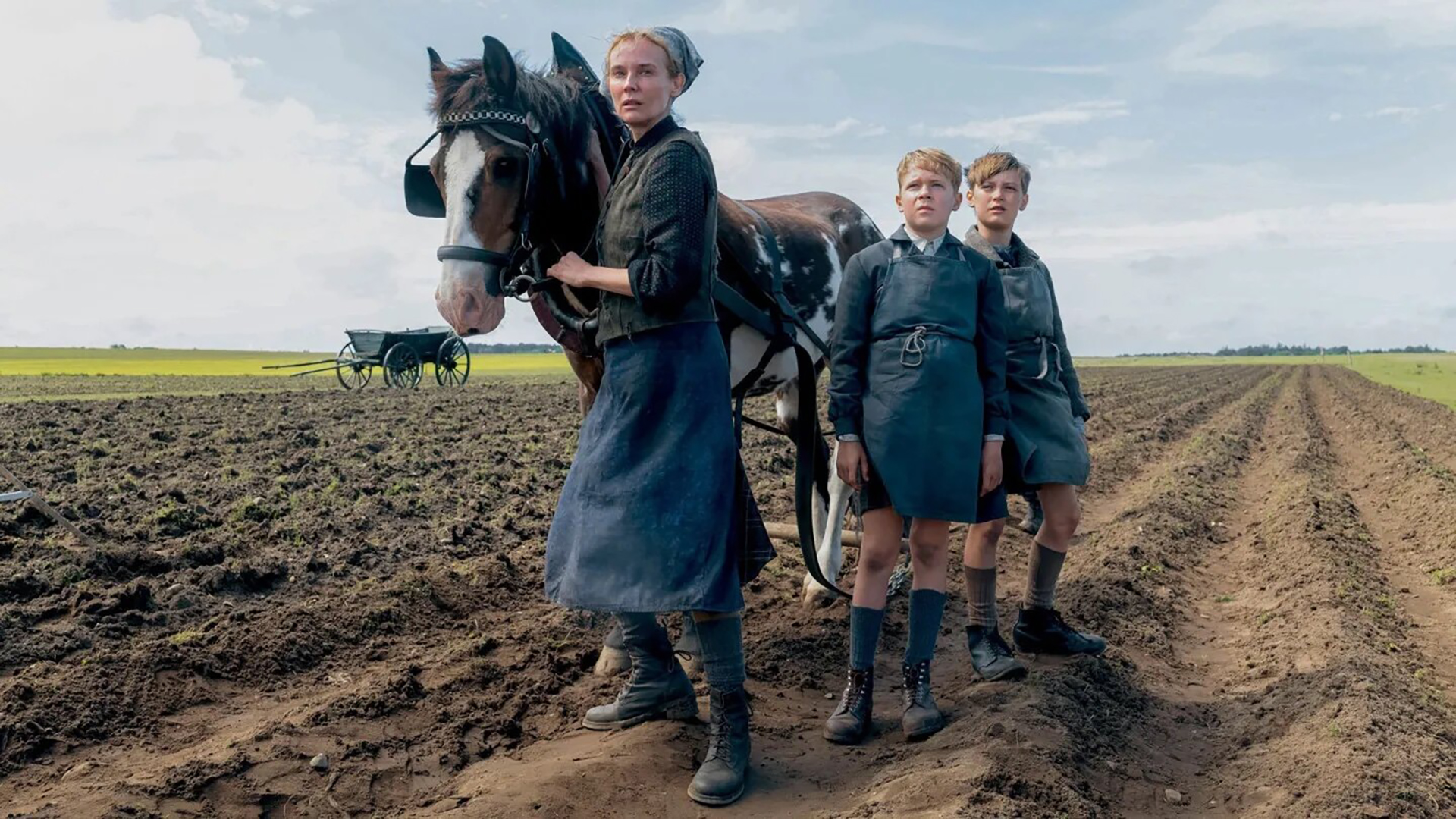
Nanning and his family have escaped the bombed-out ruins of Hamburg to take up residence on the windswept titular German island. They seem to have made a comfortable life on Amrum, even if Nanning is regularly picked on for not being a native Amrumer. But when an antifascist potato farmer (Diane Kruger) tells Nanning that the war is almost over and he excitedly relays the news to his mother Hille (Laura Tonke), hoping his father will soon return home, the impending fall of the Third Reich sends her spiraling into depression. Nearing the end of her pregnancy, Hille casually mentions craving white bread with butter and honey, and Nanning makes it his mission to fulfill her wish.
As he makes his way across the island in search of simple ingredients like butter, flour, and sugar, Nanning battles everything from high tides and resource-strapped purveyors to conflicting ideologies that make him question everything he knows.
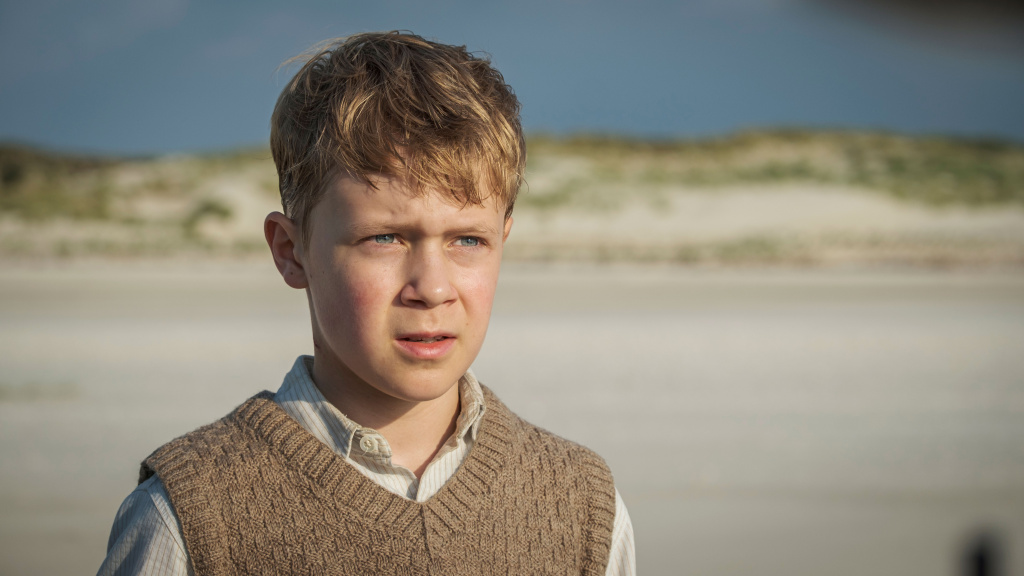
First the local baker dismisses his Sieg Heil. Then another villager refuses to spare any sugar until Nanning recites the Hitler Youth’s official motto—a test of the boy’s visibly waning party loyalty. And when Hille refuses to eat after Hitler’s death, her sister Ena burns a photo of Hitler in front of her. It’s a wake-up call: Hille may once have had the power to have Ena arrested for such an act, but the political tides have shifted as much as the island’s. Caught in the middle of these opposing attitudes is Nanning, whose sense of identity starts to wobble right when it’s supposed to solidify.
But it’s Nanning’s uncle Theo who has the greatest impact on his belief system. After Nanning learns that his parents had heartlessly betrayed Theo during the war, his uncle appears to him in a dream. Nanning tries to proclaim his innocence by saying, “What my parents did isn’t my fault.” Theo’s response is simple: “But you’re still connected to it.” The haunting dream interrogates Nanning’s complicity simply by virtue of being the child of fascist parents and calls into question the role he will play in his family’s legacy.
The film’s imagery and landscape reinforce its central themes, providing a backdrop of shimmering waters, endless horizons, wind-blown grass, and, of course, changing tides that reflect Nanning’s transition from innocence to moral reckoning. Cinematographer Karl-Walter Lindenlaub crafts each frame with a mastery that could only come from someone intimately familiar with the setting. Having spent his summers growing up on Amrum, Lindenlaub told Kino Lorber that “shooting on the island…was like coming home.”

But familiarity didn’t eliminate every challenge.
“Shooting in that environment is very difficult,” Lindenlaub explained. “You have to be very quick….to get everything—the tide, the light, and the actor at the right time of day….We had to constantly shift things around because the water is faster than you can shoot.”
Lindenlaub is not the only crew member with a personal connection to the island. The screenplay is largely based on the childhood memories of Akin’s co-writer Hark Bohm, who grew up on Amrum. Originally set to direct, Bohm ultimately passed the torch to Akin due to declining health. Bohm sadly passed away two months after Amrum screened at the Toronto International Film Festival, but his story lives on in Akin’s poetic, gentle coming-of-age film. Anyone who remembers the first time their identity came into sharp focus will see a piece of themselves in Amrum.
Click below to watch our entire interview with Lindenlaub, who also served as cinematographer on Last of the Dogmen. And stream Amrum now on Kino Film Collection.
Amrum (2025)
Golden Globe-winning director Fatih Akin (In the Fade) reunites with frequent collaborator Diane Kruger in this tender coming-of-age tale set during the waning days of World War II. On the windswept island of Amrum in northern Germany, a young farm boy sets out on a quest to gather the scarce ingredients for white bread with butter and honey to bring solace to his ailing mother.