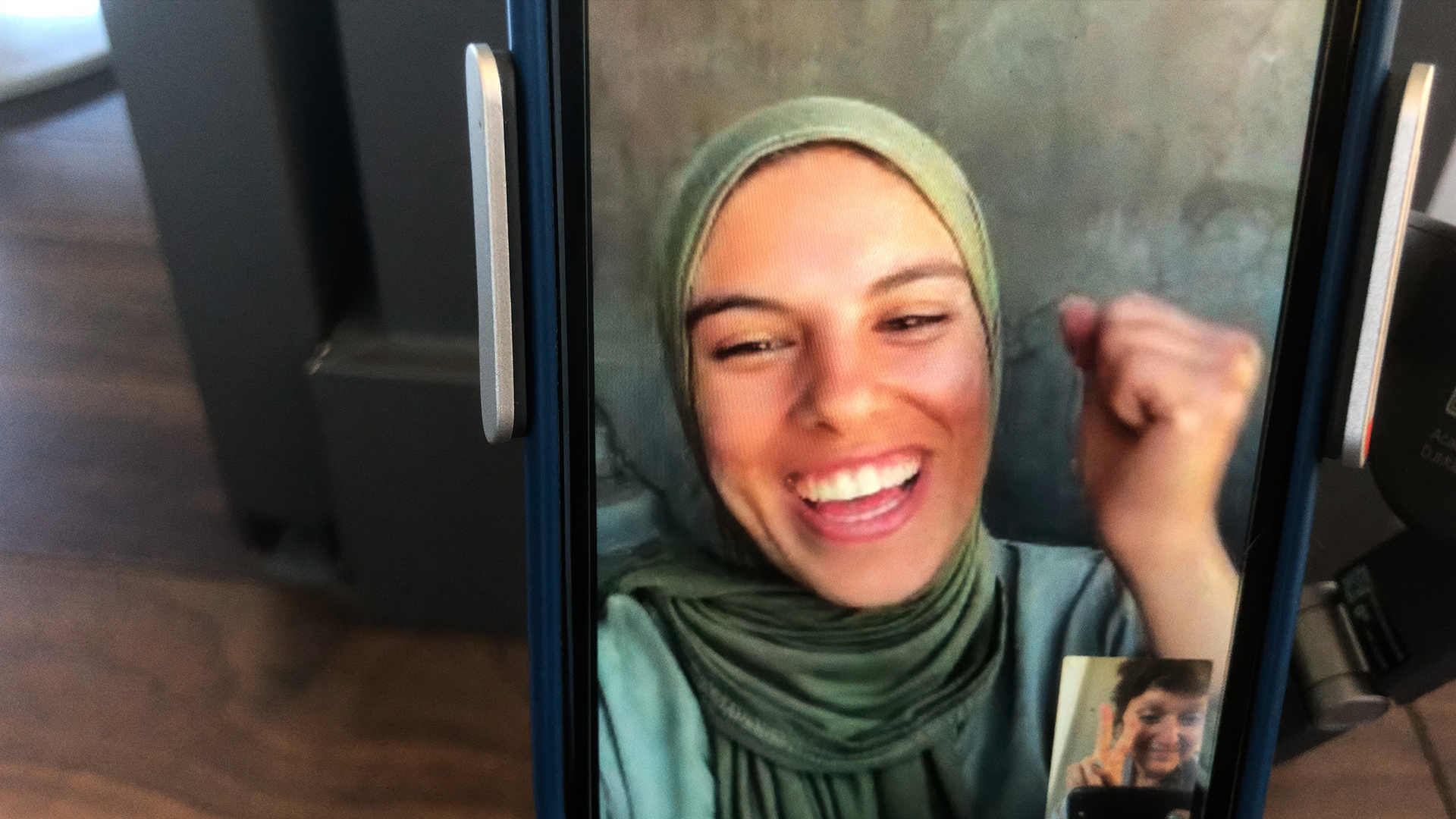
Sepideh Farsi's 'Put Your Soul on Your Hand and Walk' Examines Life in Gaza Through the Eyes of One Extraordinary Woman
Watch our interview with Sepideh Farsi after the article.
The universe is filled with the unknown, but there is one thing that’s certain: those who watch Sepideh Farsi’s film Put Your Soul on Your Hand and Walk will never forget Fatma Hassona. Filmed over about a year and pieced together almost solely from WhatsApp video calls and voice memos, the documentary takes us into the world of the 25-year-old Palestinian photographer and poet as she gives firsthand accounts of what it’s like to live under siege in Gaza after October 7th. But it’s not the death and destruction that will impact viewers the most—it’s Fatma’s unbreakable spirit in spite of it all.
Farsi was first introduced to Hassona through a mutual friend while living in Cairo. From their first video call, the two hit it off immediately, and over the next year, through spotty WiFi and the constant barrage of airstrikes, Farsi and Hassona form a long-distance friendship marked by the fear that every call could be their last. Farsi begins their correspondence by asking Hassona about daily life in North Gaza and immediately we get a clear picture: food is scarce, explosions are commonplace. Though she paints a nightmarish reality with her words, you’d never know it from her unwavering smile.
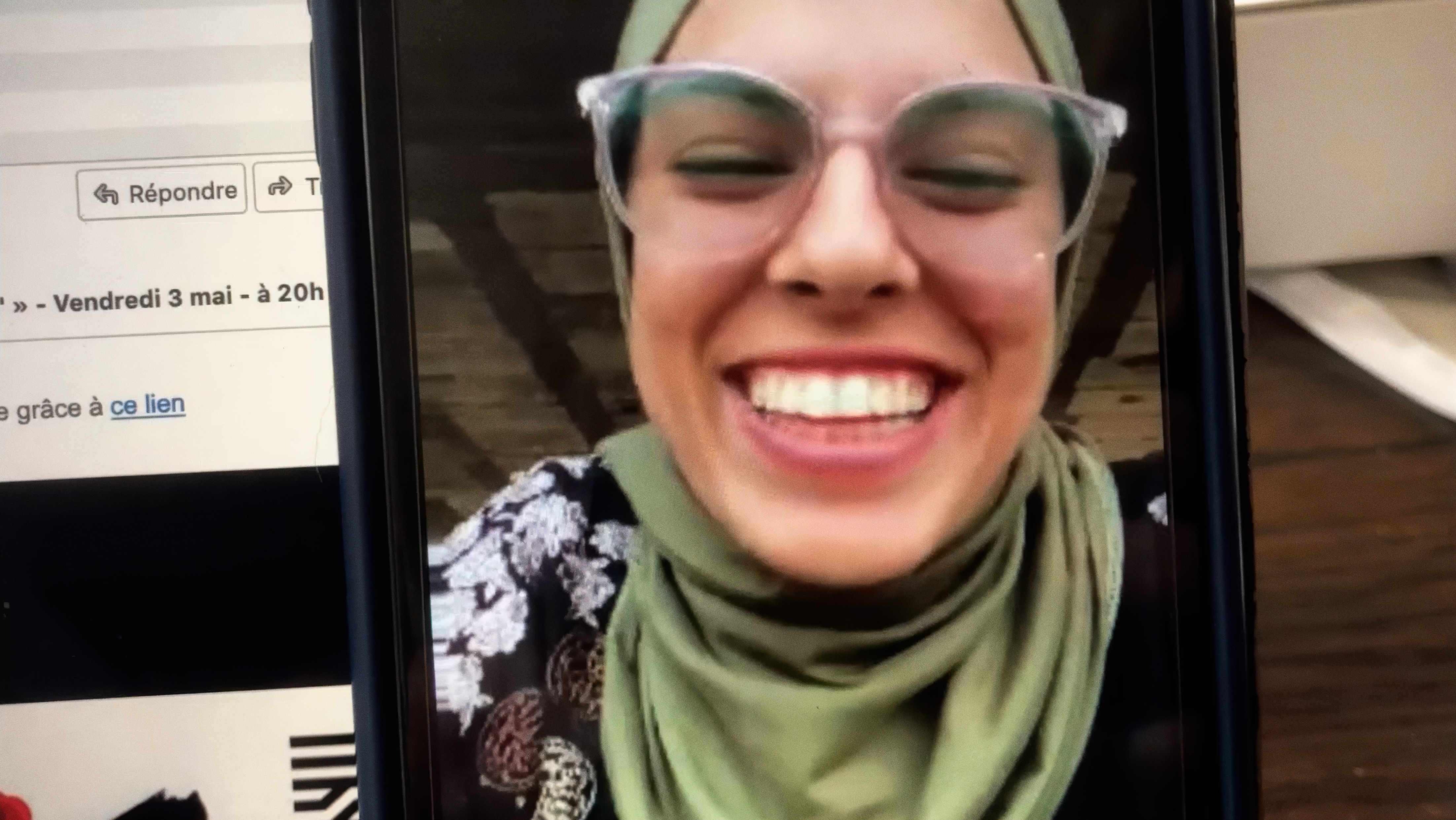
Within the first 10 minutes of the film, Hassona redefines everything we knew of human resilience. When Farsi asks what it’s like to be a Palestinian today, Hassona beams, “I feel proud.” “However they try to destroy us,” she says, “we will laugh and live our lives. They can’t defeat us.” Farsi is thoughtful in her approach to Hassona’s unbridled optimism. She tempers it with realism without deflating it. And when Hassona reveals that family members have been killed, including children as young as 1, Farsi gives her the space to share something so unthinkable. Even Hassona herself admits that “hope is a dangerous thing,” quoting The Shawshank Redemption in a moment that obliterates cultural divides.
The throughline of the film is undeniably Hassona’s fortitude, which injects the film’s screen-within-a-screen construct with vitality, but as Israel continues its blockade of food and aid to Gaza, she begins to show a stark decrease in energy. The once bubbly Hassona is suddenly unable to focus, as starvation takes a toll on her body and mind. During one call, she even admits that she’s depressed and her worldview takes a darker turn. “I’m in a prison,” she says. But even through this difficult video call, Hassona’s light still beams through. When Farsi asks what would make her happy, she exclaims, “I want to get out of this city!”, smiling ear to ear.
Farsi intersperses the film with Hassona’s photography, which, just like her, captures the life among all the death in Gaza. Scenes of rubble and destruction are pierced with color, laughter, and innocence in Pulitzer-worthy photos that reveal a multifaceted woman. Also woven throughout the film are news clips that zoom out to show the broader scope of the devastation and humanitarian crisis.
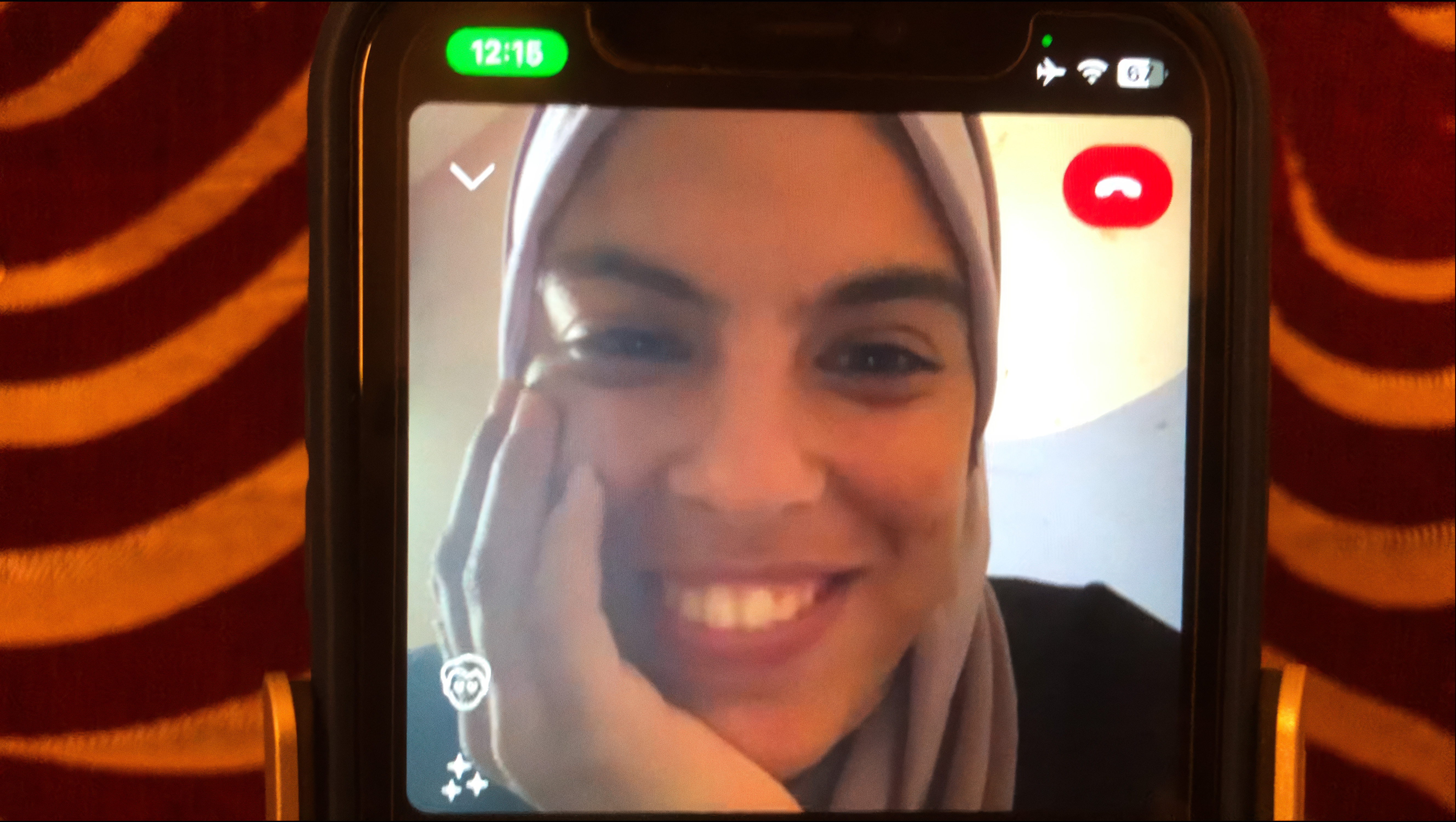
But the majority of the film is composed of their video calls, which Farsi recorded using a second phone. Though it sounds clinical, the technique actually creates a sense of intimacy for the viewer, placing us in Farsi’s shoes as if we were talking to Hassona through our own screens. We begin to feel an increasing panic in our chests when Farsi’s phone dials for a second too long. Relief then washes over us when we see Hassona’s smiling face answer. Even when the connection forces the call to drop, we feel something visceral, and we want to shake our phones and curse at the screen on Farsi’s behalf. Maybe we all just want to keep talking to Hassona.
By capturing Gaza through the eyes of Hassona, Put Your Soul on Your Hand and Walk avoids becoming a film about suffering. It’s a film about the light that one individual can emit in the darkest of circumstances. Even as the end credits roll, after your inevitable tears dry, the image that endures will be a smiling Fatma, happy to be connecting and dreaming about the future.
We recently sat down with Sepideh Farsi to talk about her film. Watch the interview below:
And stream Put Your Soul on Your Hand and Walk on Kino Film Collection now.
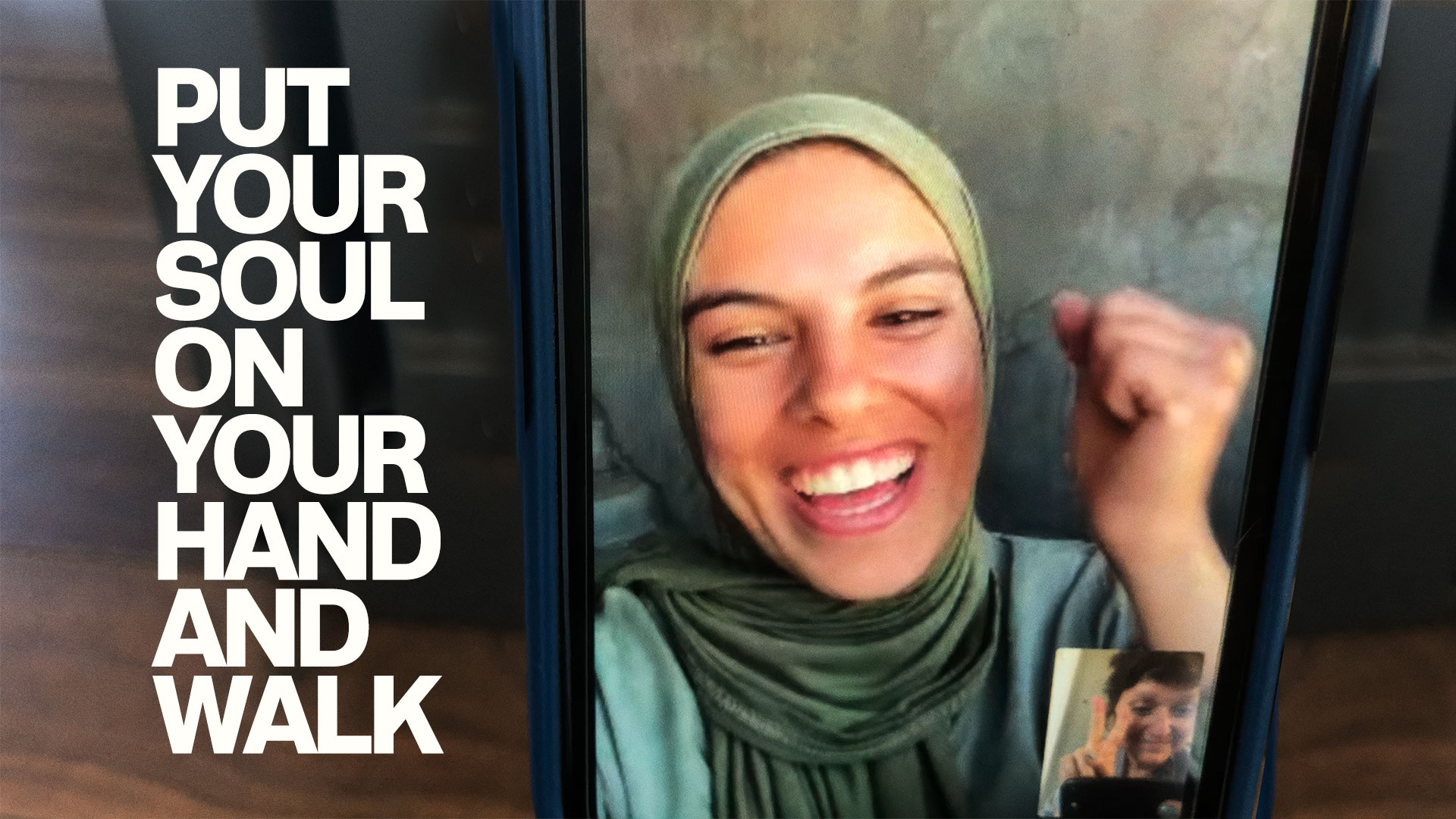
Put Your Soul on Your Hand and Walk (2025)
This intimate, first-hand perspective on life under siege in Gaza is told through video calls between director Sepideh Farsi and 25-year-old Palestinian photojournalist Fatma Hassona, whose generation is trapped in an endless cycle of war, starvation, and resistance. Combining raw immediacy with deep humanity, this essential document now stands as a heartfelt memorial and final testament.