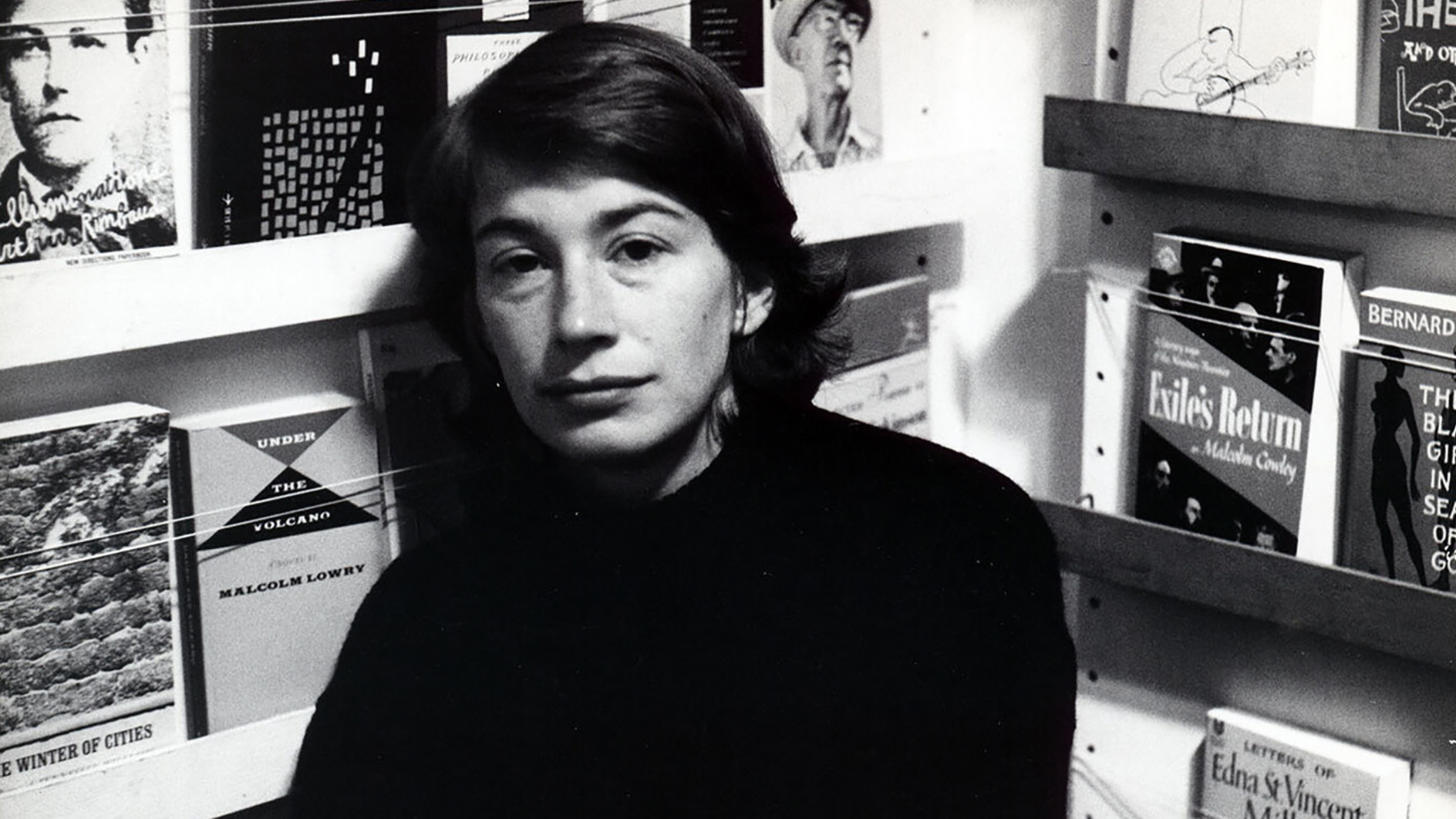
WATCH: Mary Oliver Was Saved by the Beauty of the World and, in Turn, Saved Others
Scroll down to watch our interview with Mary Oliver: Saved by the Beauty of the World director Sasha Waters.
Mary Oliver has literally saved lives. As revealed in one standout moment in Mary Oliver: Saved by the Beauty of the World, countless fans have written the poet thanking her for doing so. Sasha Waters’s 2026 documentary explores Oliver’s life and work and what it is about her seemingly simple yet unfathomably profound poetry that sparks something akin to divine revelation in her readers. As gentle, moving, and incisive as Oliver’s poetry itself, Mary Oliver: Saved by the Beauty of the World looks beyond the words at the lonely, elusive soul that wrote them, the surroundings that shaped her, and the many people Oliver touched and, perhaps, saved.
One of those people is comedian and former late-night host Stephen Colbert, who opens the film by attempting to recite “The Summer Day.” Before he can even get one line out, he becomes noticeably emotional. He manages the first line, then surrenders to the tears. “The Summer Day” is one of Oliver’s better-known poems, with the famous last lines “Tell me, what is it you plan to do / with your one wild and precious life?” It’s a simple and direct inquiry, but there’s something about it that stops time in its tracks and instills in you a new sense of purpose, and most likely it’ll make you cry. This is the Mary Oliver effect.
“The idea that someone could use words and…describe an experience of being in the world that can touch someone so deeply is incredibly moving,” Waters told Kino Lorber.
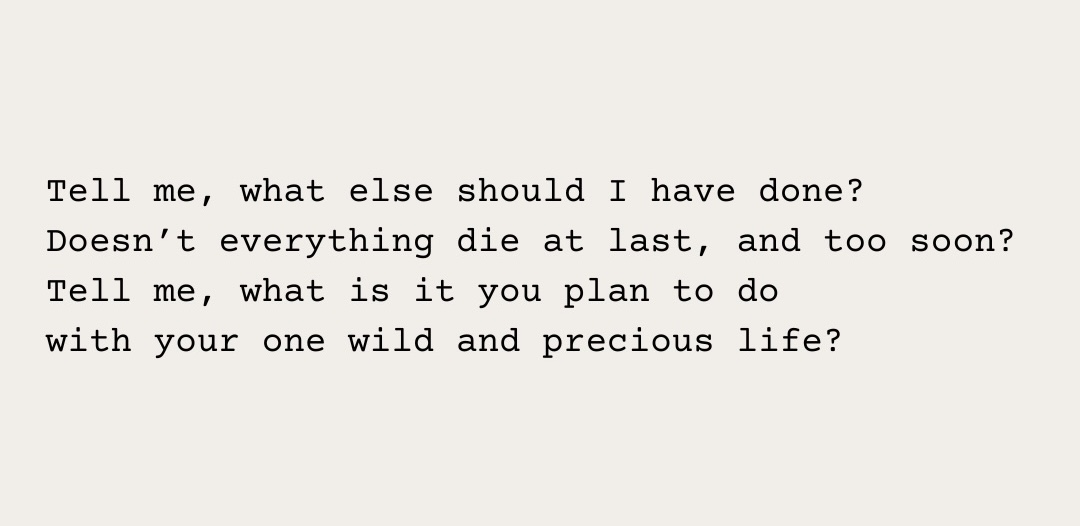
Excerpt from "The Summer Day"
But perhaps even more remarkable is the philosophy behind Oliver’s work, which the film thoughtfully examines: that spiritual catharsis might begin with something as simple as paying attention to the leaves, branches, insects, and ordinary wonders around us.
Oliver spent her life in nature. From a young age, she preferred to walk alone in the woods or sit and watch the clouds for hours over typical childhood activities. Though she didn’t like to be categorized as a nature poet, nature is inextricable from her work, as suggested by some of her most famous poems like ”Wild Geese,” “In Backwater Woods,” “Praying,” and, of course, “The Summer Day.” Save for a brief stint in Greenwich Village, New York, Oliver always chose the simplicity of living among the trees and brooks, and even when she found fame as a Pulitzer Prize-winning poet and a New York Times best-seller, she remained intensely private.
Despite the lack of interviews and public appearances to pull from, Waters was able to construct an intimate and illuminating portrait of Oliver through rare audio and TV recordings, archival materials, and 16mm nature footage captured in the poet’s beloved Provincetown, MA, where Oliver and her partner, Molly Malone Cook, lived for more than 40 years. The film also sheds light on the couple’s relationship, giving Cook much deserved credit for being the steady anchor that allowed Oliver to navigate the ups and downs of a literary career.
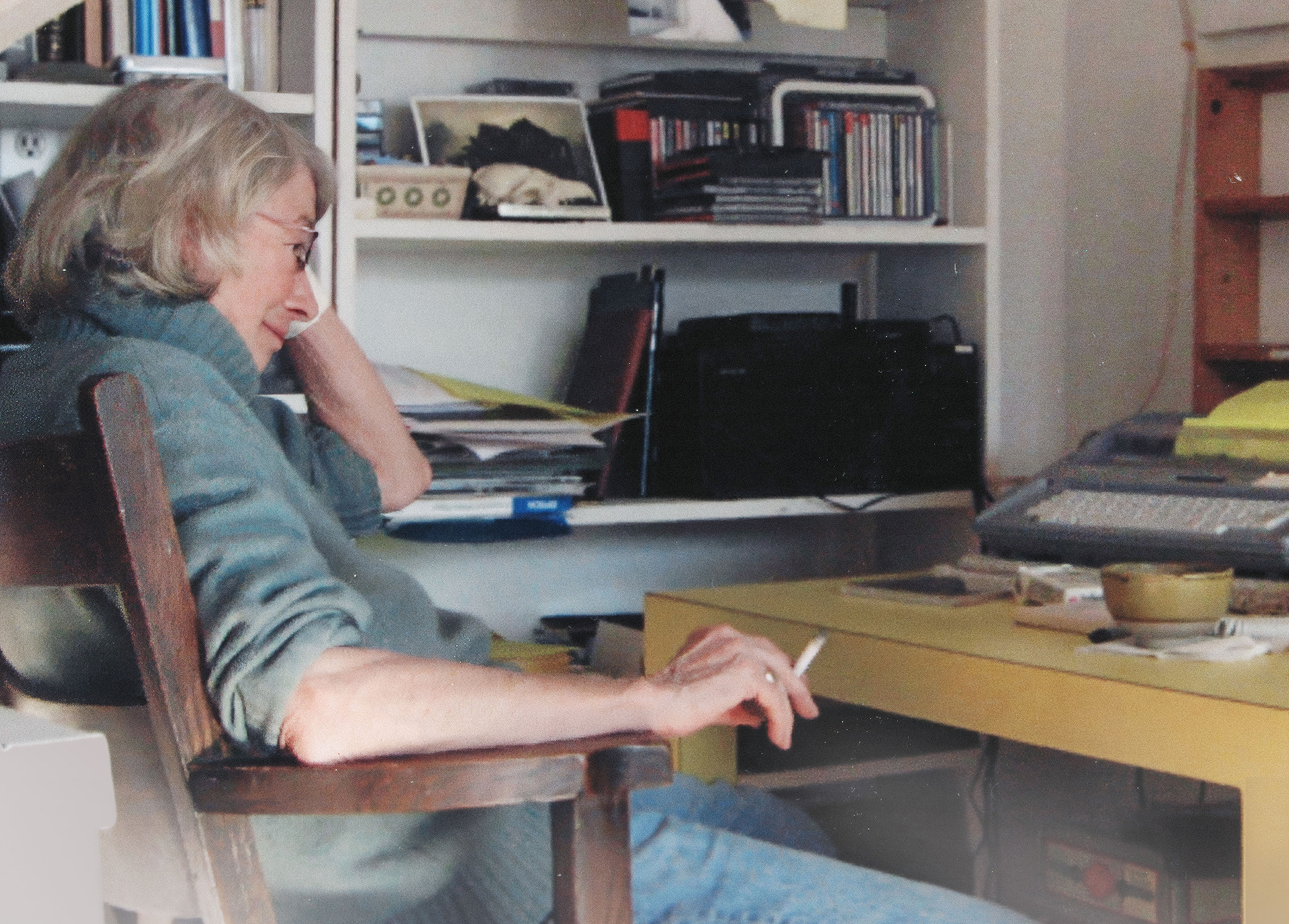
Waters’s film also features an array of contemporary poets who have personal connections to Oliver’s work, including David Keplinger, Major Jackson, Gabrielle Calvocoressi, Mark Doty, Ada Limón, and more. One highlight is when Keplinger dissects the poem “Clam,” which compares the simple bivalve to humans through shared characteristics like having a heart, experiencing hunger, and the sheer will to live. “Before I know it, I’m suddenly a clam,” he says. Just as Walt Whitman, Ralph Waldo Emerson, and Henry David Thoreau inspired her, Oliver has become, like them, a transcendentalist hero for the next generation. And by featuring this range of modern-day poets, Waters’s film is not only a tribute to Oliver but a love letter to poets everywhere.
Other figures featured in the film include director John Waters (a close friend and neighbor to Oliver and Cook in Provincetown), Oprah Winfrey, Steve Buscemi, and Helena Bonham Carter. But it’s Maria Shriver who reveals what it was that Oliver needed saving from.
In a clip of a 2011 interview with Shriver, the poet admits for the first time that she had been sexually abused as a child, noting, “That’s the first time I’ve said that out loud.” It’s a startling revelation that adds new context to everything we knew about her. Suddenly, the elusiveness, solitude, and steadfast pull toward nature make perfect sense.
Oliver famously said, “I got saved by poetry, and I got saved by the beauty of the world." Then she turned her salvation into words that saved countless others, like a virtuous cycle that can only be found in the harmony of nature. When asked what it is about Oliver’s poetry that makes it feel almost like a religion to so many readers, Waters offered a simple explanation: “Mary’s poetry speaks to the human experience. It gives people a reason to hope.”
Watch our full interview with Sasha Waters below and stream Mary Oliver: Saved by the Beauty of the World now on Kino Film Collection.
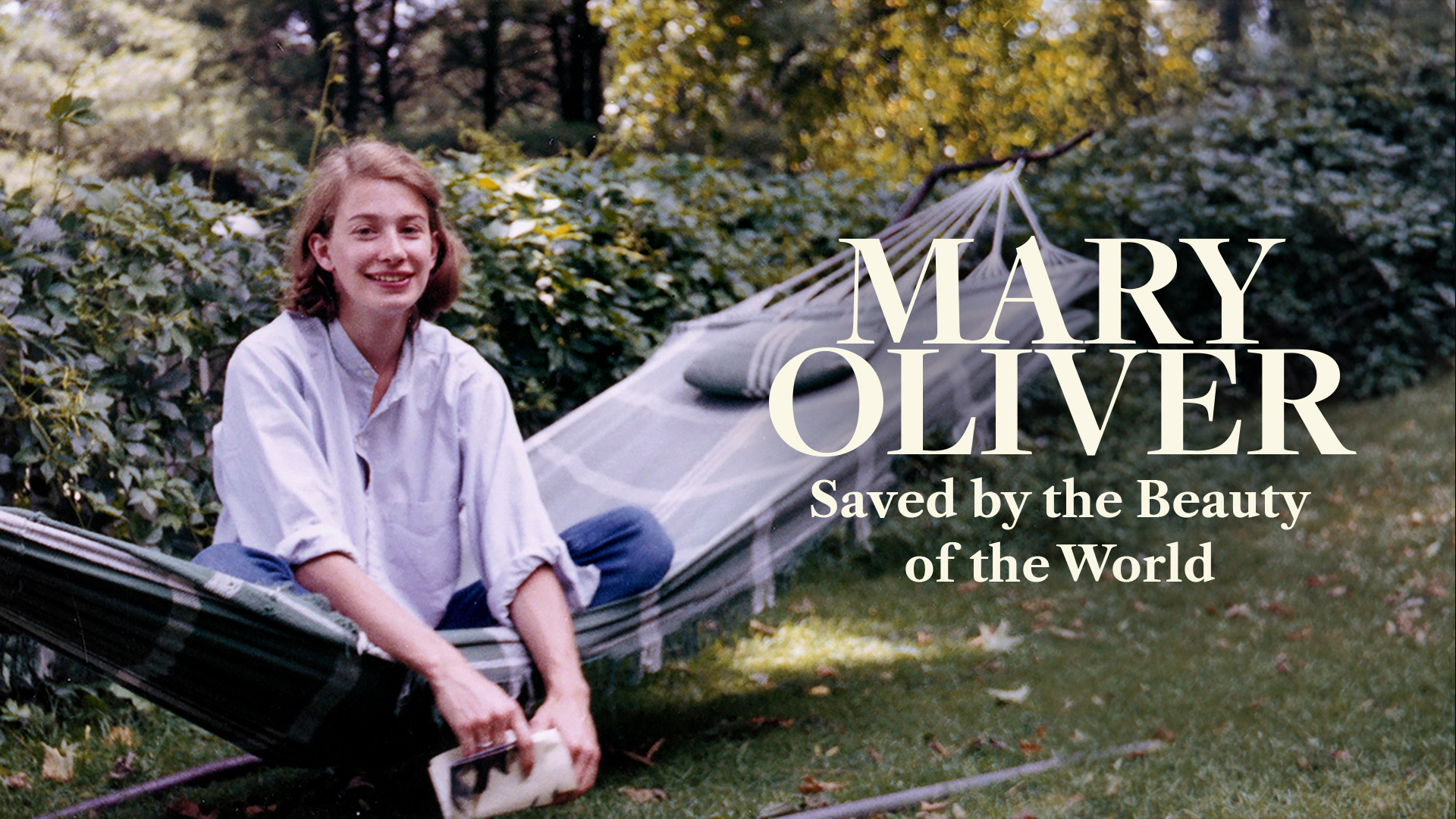
Mary Oliver: Saved by the Beauty of the World (2026)
If poetry had a pop icon, it would be Mary Oliver – celebrated bestseller, Pulitzer Prize-winner, lover of dogs and nature. This moving documentary portrait features interviews with her close friends, including John Waters, never-before-seen personal photos, notebooks, and correspondence from her archive, and recitations of her work by Stephen Colbert, Lucy Dacus, Steve Buscemi, and Oprah Winfrey.