WATCH: Maya Annik Bedward’s ‘Black Zombie’ Challenges Everything You Thought You Knew About the Zombie
Scroll to watch our interview with Maya Annik Bedward below.
When most people hear the word “zombie,” it probably conjures a pretty clear picture: a slow-moving, unspeaking, verging-on-skeletal undead creature in search of human flesh. That’s largely due to Hollywood, and nothing to do with the zombie’s actual origins. Maya Annik Bedward’s new documentary, Black Zombie, examines those origins, tracing the zombie back to Haitian Vodou and its history of enslavement. In doing so, she reclaims the zombie back from Hollywood and sets the record straight on the historical context that gave rise to the monster.
“The zombie is connected to Haitian Vodou,” Bedward told Kino Lorber. “I want that to be everyday common knowledge.” But not only are most people, even hardcore zombie fans, unaware of this connection, the zombie has transmutated so much over time the historical trail has gone cold. Recent Hollywood depictions include lightning fast rage mutants with blood-red eyes and half-man, half-mushroom hybrid creatures. But it’s precisely fans of these Hollywood interpretations that Bedward hopes to invite into her film so that they can stay for the real lesson. “The film deals with a lot of dark, difficult history that’s really important for us to know and I thought that to look at this but through the story of the zombie would bring the film to a much broader audience,” Bedward explained.
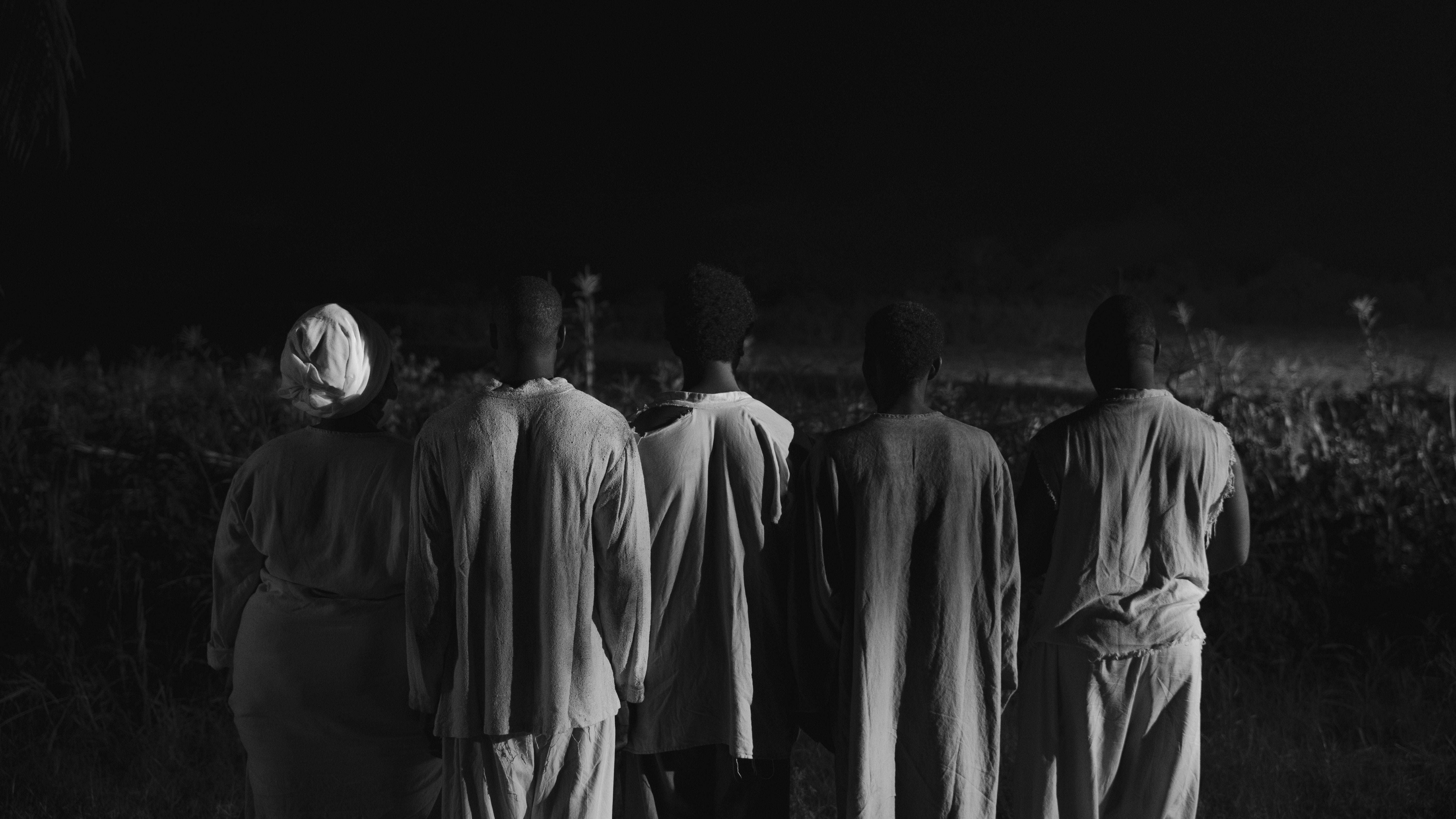
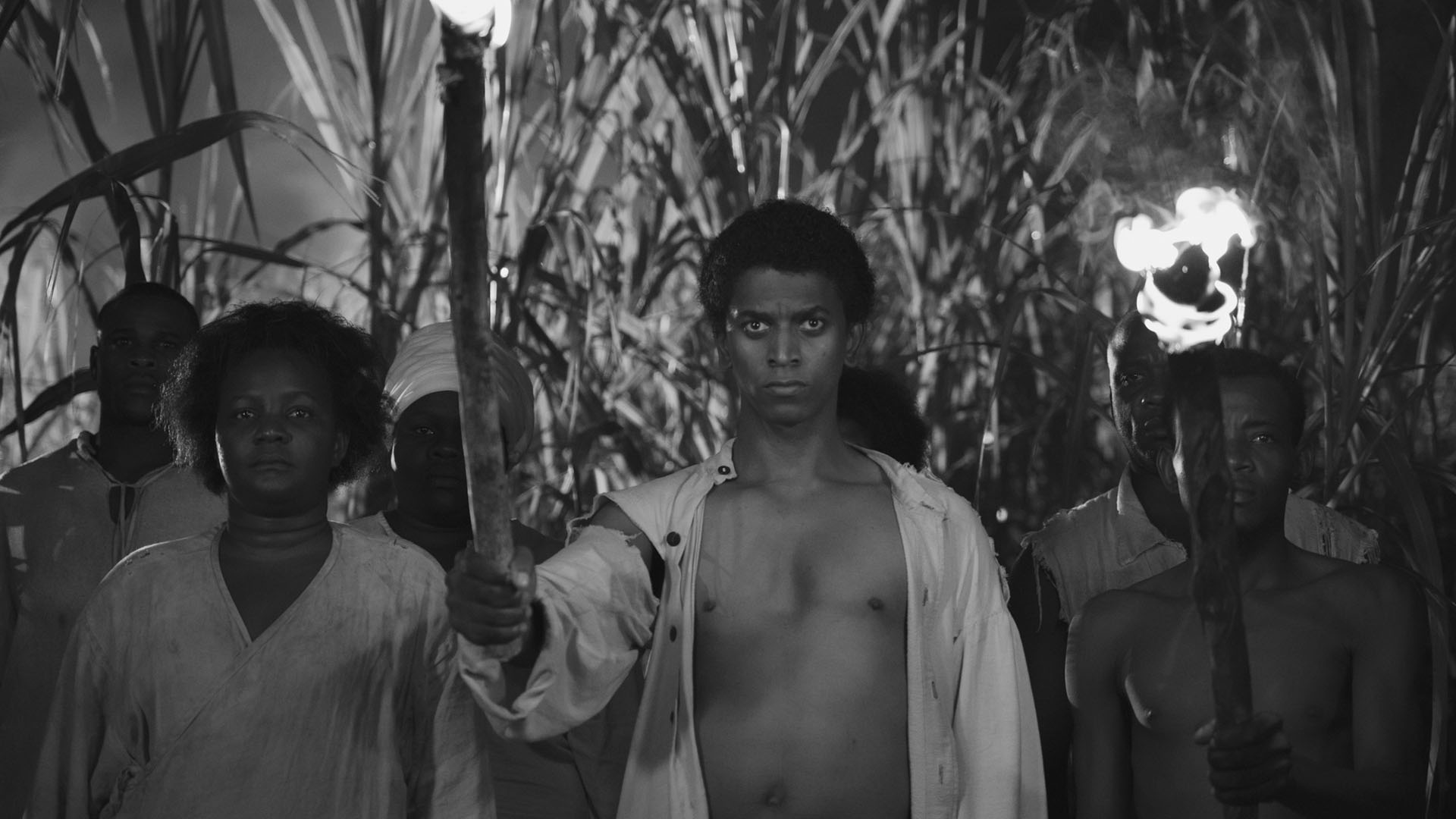
In Black Zombie, Bedward takes us to the sugarcane plantations of colonial Saint-Domingue (now modern-day Haiti), where the French forced enslaved Africans to endure inhumane conditions. In traditional African Vodou, it is believed that when one dies they return to a mythical Africa and are reunited with their ancestors. When they die, they are free. The term “zombi” was first used to represent what might happen if this reunification and freeing of the soul were taken away. It signified the complete loss of autonomy, even of the soul. “Zombi” meant an eternity of enslavement. It is against this backdrop of suffering that the idea of the zombie first emerged.
So the original zombie was not a monster at all, but a victim.
But both the zombie and Haitian Vodou became genre devices that distorted their true meanings. The doc cites William Seabrook’s 1929 book The Magic Island as a pivotal work that introduced—inaccurately—Haitian Vodou and zombies to American audiences. From there, Hollywood took the spectacle Seabrook described and ran amok, first with the 1932 film White Zombie, which is widely regarded as the first feature-length zombie film, then in 1988 with Wes Craven’s The Serpent and the Rainbow, and countless times in between and after. In these films, Haitian Vodou is exoticized as dark magic, something sinister and dangerous, a perception that has unfortunately endured to this day (I’m looking at you, Bourbon Street).
This becomes another central thesis in Black Zombie: What Vodou is and, more importantly, what it is not. Vodou is a spiritual tradition rooted in ancestors, community, and spirits with a long and rich history dating back hundreds of years. What it’s not? Just take a look at any modern depiction of it in popular culture. “How Hollywood has stigmatized Vodou has affected so many West African traditional religions across the diaspora,” Bedward said.
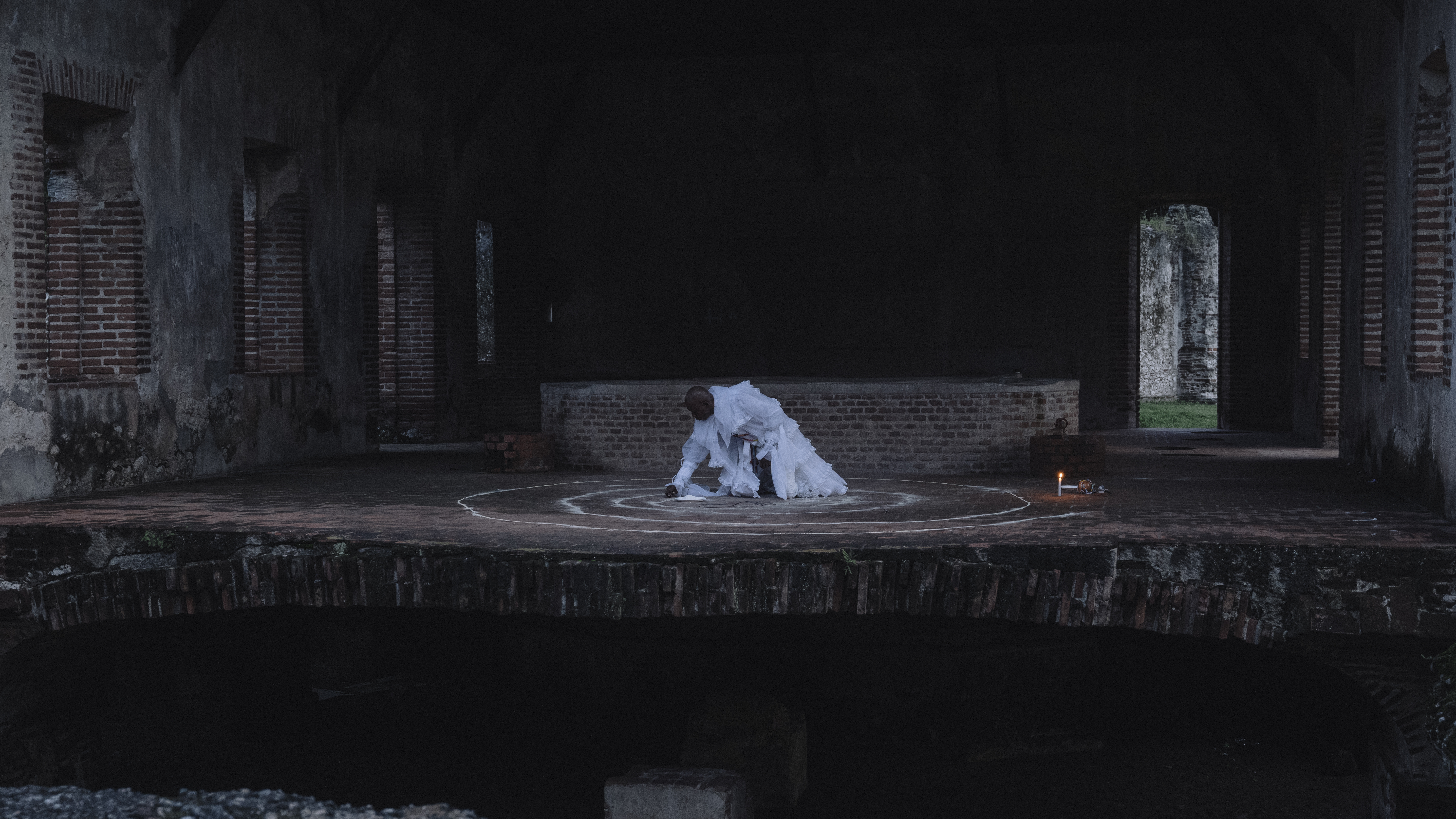
To fight the misconceptions surrounding Haitian Vodou, Bedward features several practitioners in the documentary, who not only help set the record straight, delivering what Vodou priest Yves-Grégory Francois calls in the film “metaphysical justice,” but they also visually represent the essence of the spiritual practice. Choreographer Erol Josué dances in the ruins of a sugarcane mill, offering some of the most powerful yet meditative moments of the film. If Bedward were to distill the entire documentary into one scene, she could simply show Josué’s performance and still get to the heart of her thesis. (By the way, stay after the credits for a continuation of Josué’s ceremonial dance.)
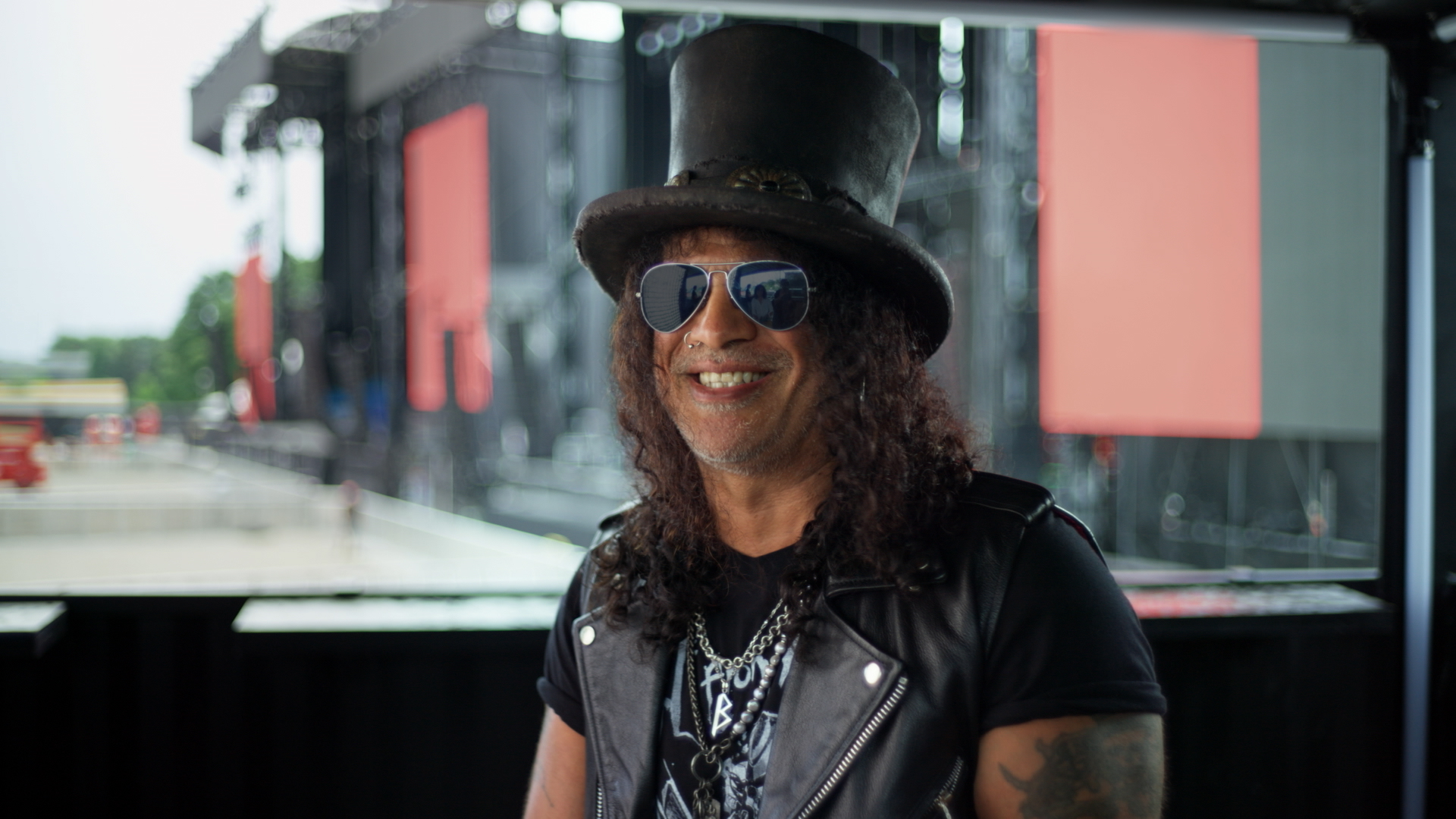
Other figures that appear in the film include author and scholar Tananarive Due, filmmaker Zandashé Brown, special effects and makeup artist Tom Savini, who worked on George A. Romero’s zombie films, and Guns N’ Roses guitarist Slash, a lifelong zombie enthusiast.
In between the talking-head-style interviews are gorgeously shot black-and-white narrative segments reenacting colonial slave life in the sugarcane plantations. There’s something otherworldly and undeniably cinematic about them, and there’s a reason for that. Bedward told Rogerebert.com that these scenes were a “visual reclamation of the story by taking back from these early zombie films.”
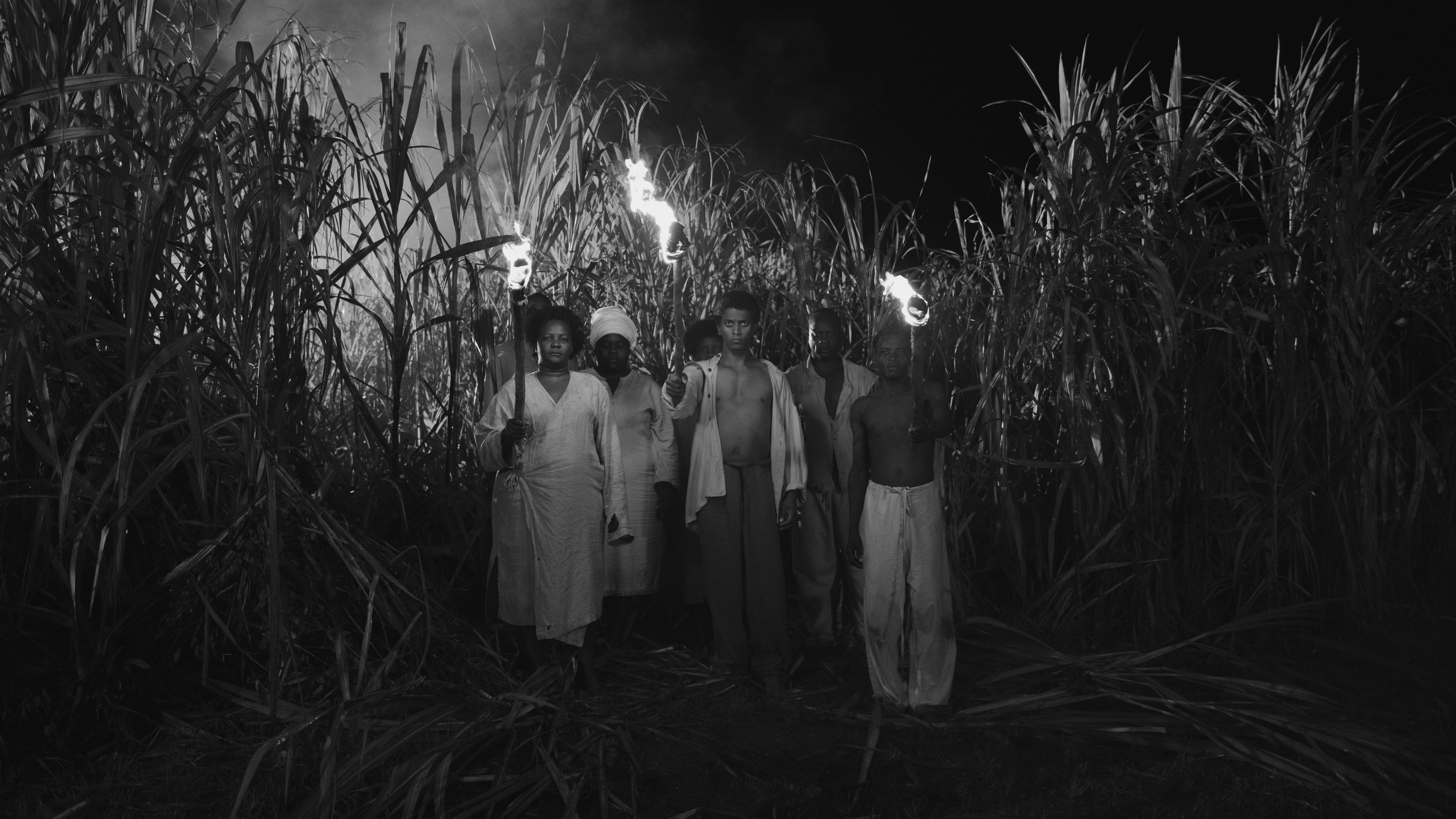
But if Black Zombie is a Trojan Horse that piqued the interest of zombie genre fans, it’s also a Russian nesting doll for history enthusiasts, revealing layers upon layers of historical context. As the film digs deeper into the origins of the zombie, one of the most powerful historical threads of the film is the Haitian Revolution, which resulted in the republic of Haiti, the world’s first independent Black republic and the only nation founded on a successful slave revolt. It’s a watershed moment and a powerful case study against oppression, but the whitewashing of history has erased it from history books and used it to fuel harmful, racist depictions of Haiti and its culture as dangerous and primitive.
After learning the rich and complicated history of the zombie, it’s almost impossible to go back to viewing it as a simple horror trope. And that’s the whole point. Bedward hopes that everyone who watches her film will come away empowered to view films, pop culture, and the world around them with a more critical eye. And as for Hollywood? Bedward has one suggestion: “Fund more Black filmmakers to make awesome horror!”
Stream Black Zombie on Kino Film Collection and watch our full interview with Maya Annik Bedward below, which includes a post-interview segment debunking myths around Vodou with Vodou High Priest Robi Gilmore.
Black Zombie (2026)
Beneath the blood-soaked spectacle of modern horror lies the untold story of the zombie’s buried origins. Part cultural reckoning, part horror remix, this documentary traces the evolution of the zombie from colonial Haiti to contemporary Hollywood, revealing how a figure born from enslavement, spiritual belief, and resistance was transformed into one of pop culture’s most profitable monsters.