


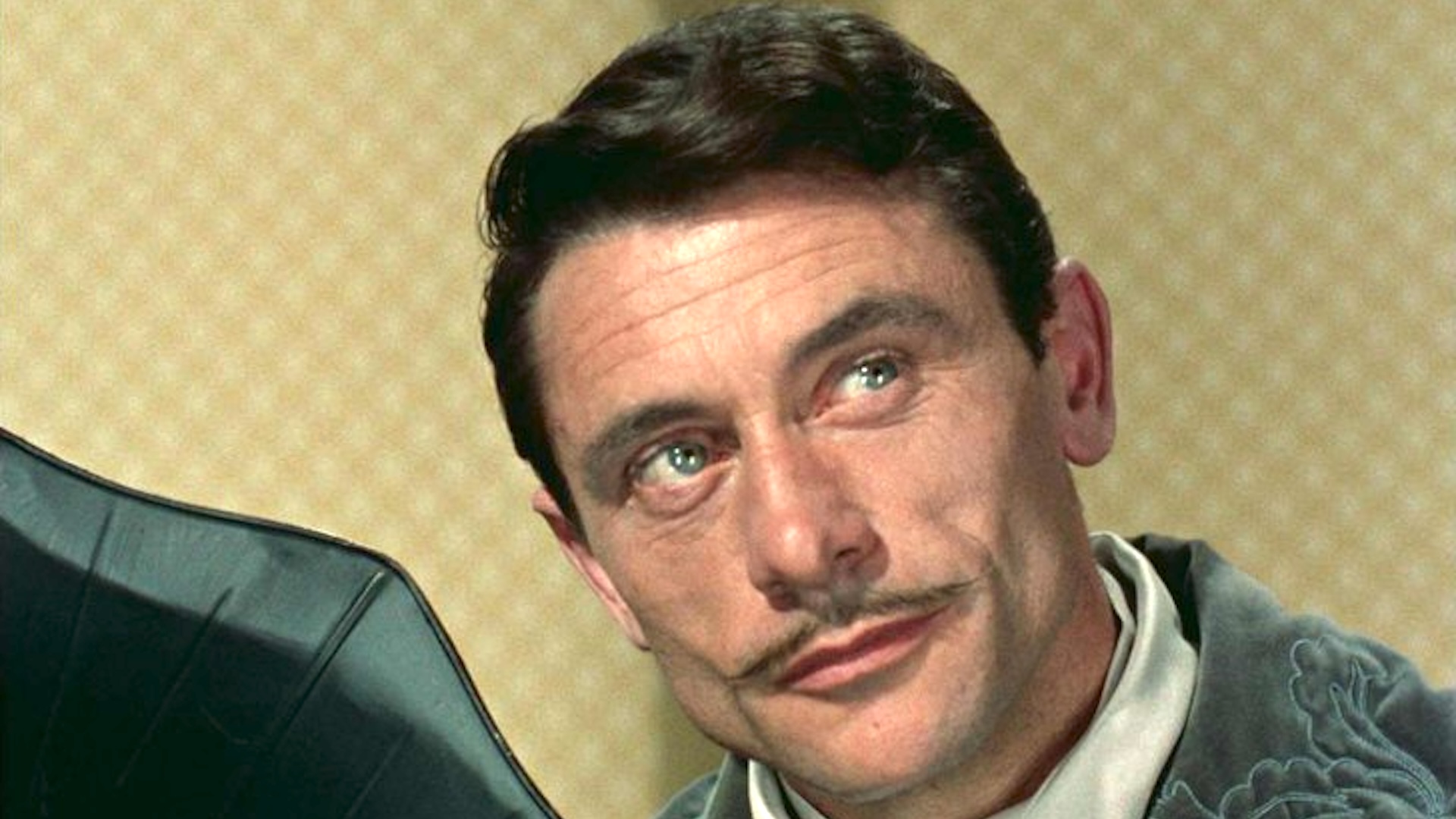
Who Is Arsène Lupin? Get to Know the Original Gentleman Thief
Throughout history, humans have always had a fascination with complex, morally ambiguous characters. Much of the time, these characters happen to be genetically blessed, sharply attired master thieves. Take, for example, Danny Ocean, Thomas Crown, and Diabolik—or everyone's favorite cat burglar, Selina Kyle, aka Catwoman—all of whom will rob you blind, so long as you’re a billionaire or institution that won’t miss the money. This trope has become so popular in film and literature (and recently, real life) that it’s been given a name: the gentleman thief. But who was the first? Meet Arsène Lupin. Today we welcome three iconic Lupin films to Kino Film Collection. Before you stream, get know the original gentleman thief of page and screen.
Lupin Was Born Amid the Sherlock Holmes Craze
Following the massive success of Sir Arthur Conan Doyle’s Sherlock Holmes series, French publications sought to create a similar character. In 1905, French author Maurice LeBlanc created the character of Arsène Lupin, and in 1907 the first Lupin story, “L’Arrestation d’Arsène Lupin” (“The Arrest of Arsène Lupin”), was published in the French periodical Je sais tout. It was an immediate hit.

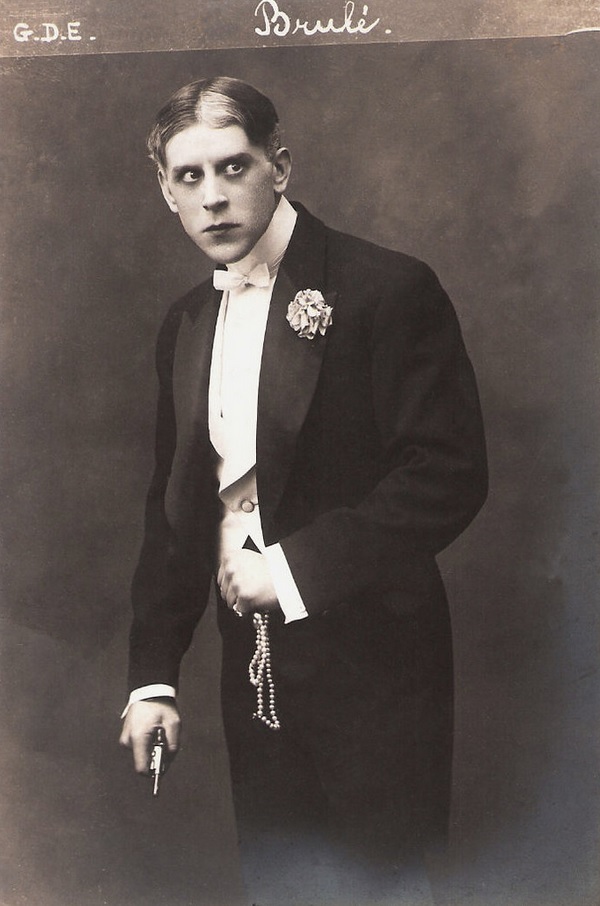
Lupin vs Holmes
Holmes is more than a predecessor to Lupin. The two characters have appeared together in multiple crossover franchises, including LeBlanc’s short story “Sherlock Holmes Arrives Too Late” and his collection Arsène Lupin versus Herlock Sholmes. LeBlanc reconfigured the detective’s name after Conan Doyle objected to the use of his copyrighted character without permission. Both debonair and cultured with super-human intellect, Lupin and Holmes (or Sholmes) made ideal adversaries, though Lupin often outsmarted the otherwise unbeatable detective.
The Apple Doesn’t Fall Far From the Tree
Lupin’s father, Theophraste Lupin, was a gymnastics teacher with a burglary side hustle. Though Lupin’s mother, Henrietta, left his father and took Lupin at a young age, the proclivity to steal was already in his genes. At the age of 6, when his mother was serving as a chambermaid to the Count and Countess of Dreux-Soubise, Lupin stole the wealthy family’s most prized possession, Marie-Antoinette’s necklace, after witnessing their cruel treatment of his mother.

He’s a Master of Disguise
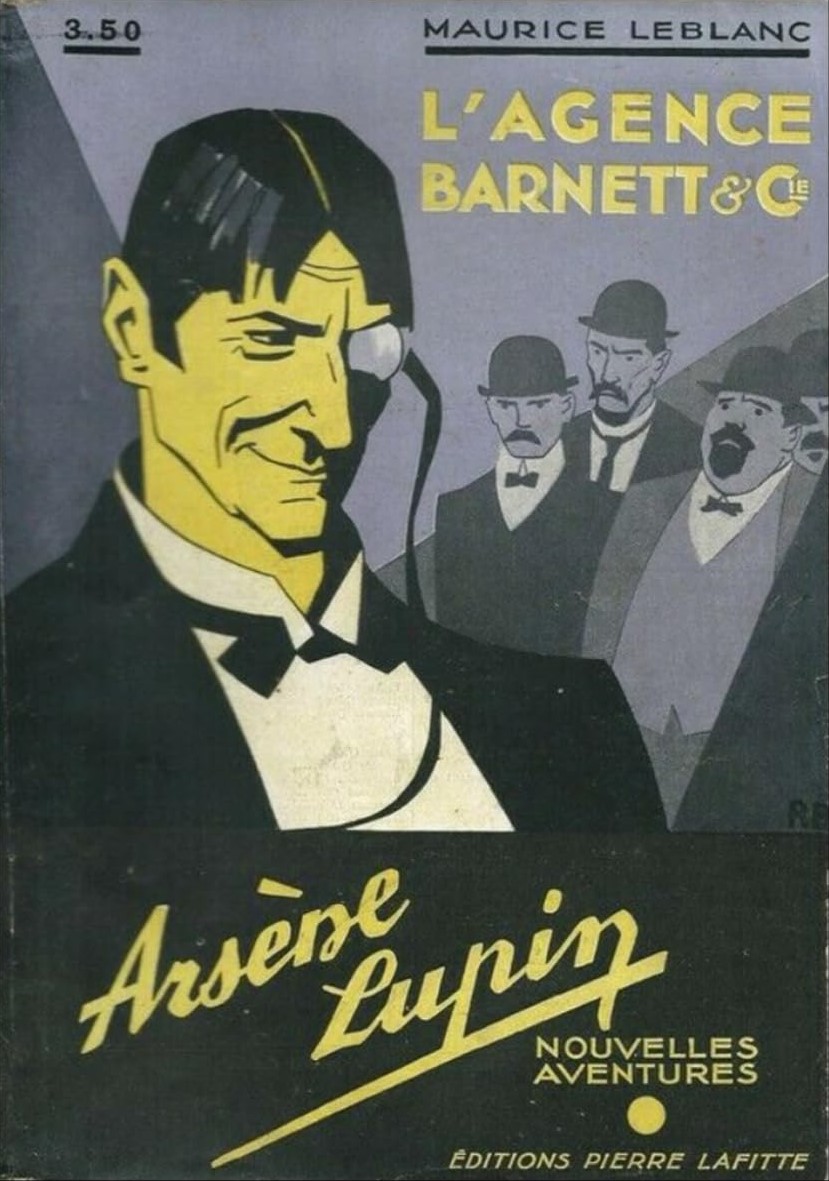
When he’s not donning his signature dapper upper-class getup of black top hat, black overcoat, white tie, and monocle, Lupin is magically transforming into whomever he needs to become for the job. From chauffeurs to Spanish bullfighters to even a frail old man, there’s seemingly no one the skilled chameleon can’t become.
Lupin Has Permeated All Corners of Popular Culture
Since his inception, Lupin has appeared in dozens of books, stories, films, and TV series, spanning more than 100 years. Most recently, the character is featured in the titular Netflix series, starring Omar Sy, which premiered in 2021 and is set to return for its fourth part next year.
Today, we’re proud to welcome three of the most classic Lupin films to our library, from celebrated French directors Jacques Becker, Yves Robert, and Édouard Molinaro.

The Adventures of Arsène Lupin (1957)
French author Maurice LeBlanc’s famed gentleman thief and master of disguise, Arsène Lupin, engages in a series of daring heists. His exploits catch the attention of Kaiser Wilhelm II of Germany, who challenges Lupin to steal a valuable jewel from a secret hiding place. Will Lupin accept the wager? Directed by Jacques Becker (Touchez pas au grisbi).

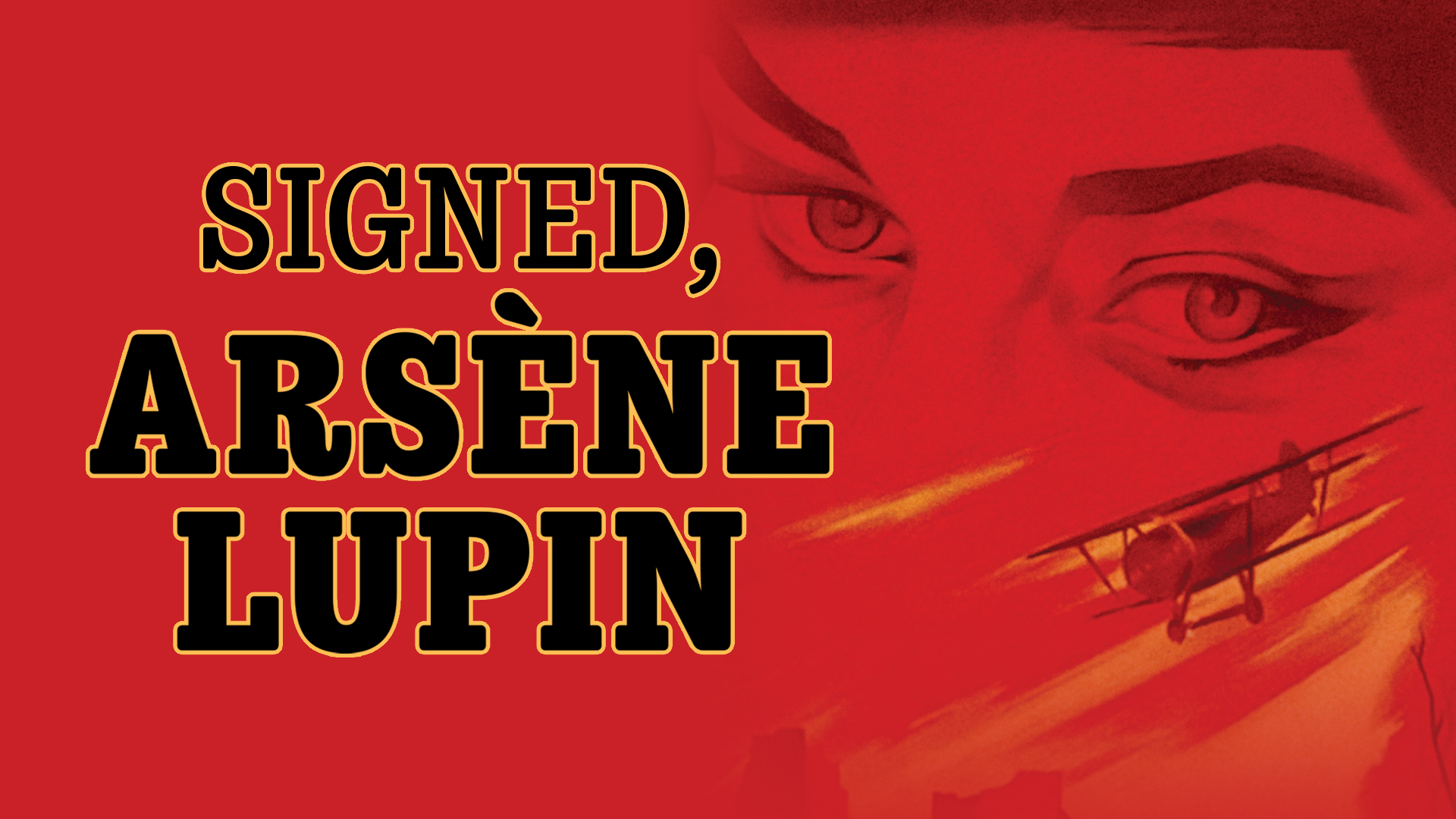
Signed, Arsène Lupin (1959)
After the Great War, Arsène Lupin returns to his life of charming mischief with renewed zeal. When a rival steals three priceless paintings, the gentleman thief is drawn into a daring quest for the legendary treasure of the Golden Fleece. Directed by Yves Robert (War of the Buttons, The Tall Blond Man with One Black Shoe).

Arsène Lupin vs. Arsène Lupin (1962)
Arsène Lupin is dead! And soon after he has been laid to rest, his two sons, François and Gérard, follow in their father’s footsteps to rescue stolen gems for a gorgeous princess. Directed by Édouard Molinaro (Back to the Wall, La Cage aux Folles).