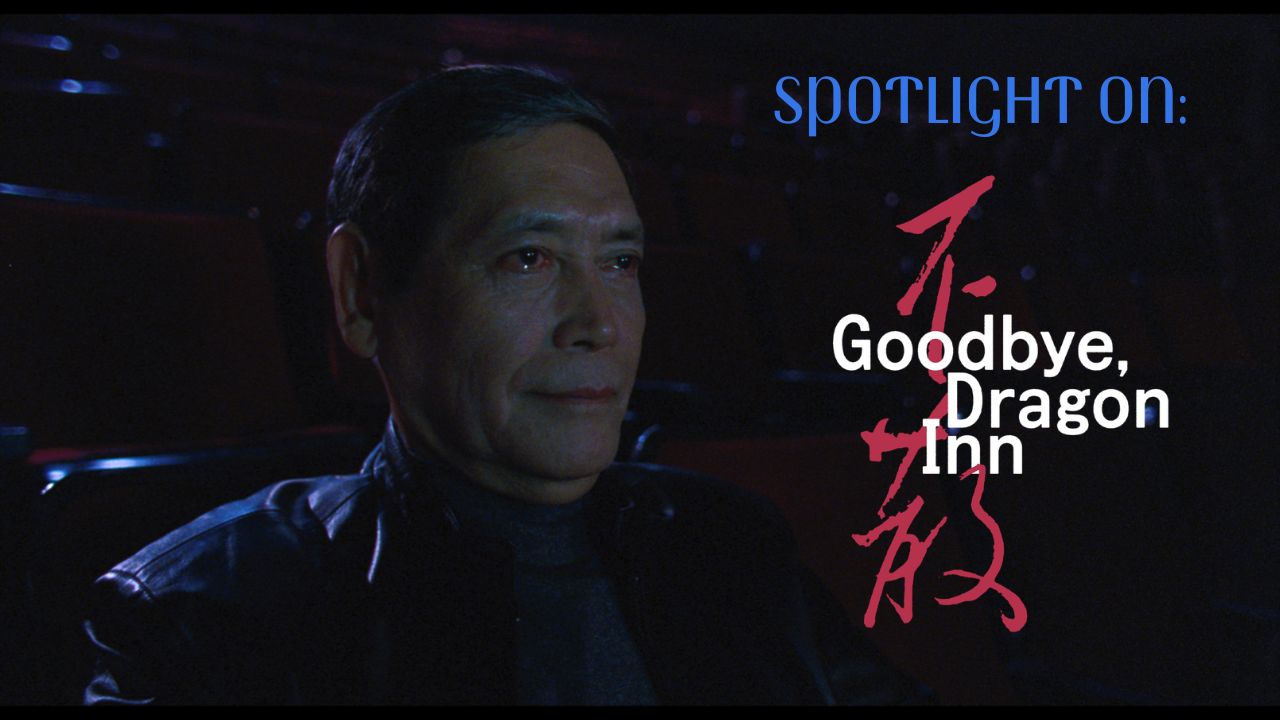
'Goodbye, Dragon Inn' is Tsai Ming-liang’s Love Letter to the Movies
What is the best way to commemorate a soon-to-be-gone movie theater? By making a movie about it, of course. After Tsai Ming-liang learned of the impending closing of the Fu-Ho Grand Theater in Taipei, Taiwan, in which he shot a scene for his previous feature What Time Is It There? (2001), he decided to lease it for six months. Those six months culminated in Goodbye, Dragon Inn, a dreamy and melancholic love letter to cinemas.
The Fu-Ho Grand Theater is a large yet decrepit movie palace in Taipei, Taiwan. On a rainy night, King Hu’s Dragon Inn (1967) plays as its final film before closing. The screening attracts a small group of individuals, each driven by their own desires and haunted by their own memories. A ticket attendant searches for the projectionist to give him a steamed bun. A Japanese tourist attempts to cruise. A man visits the theater with his grandson.
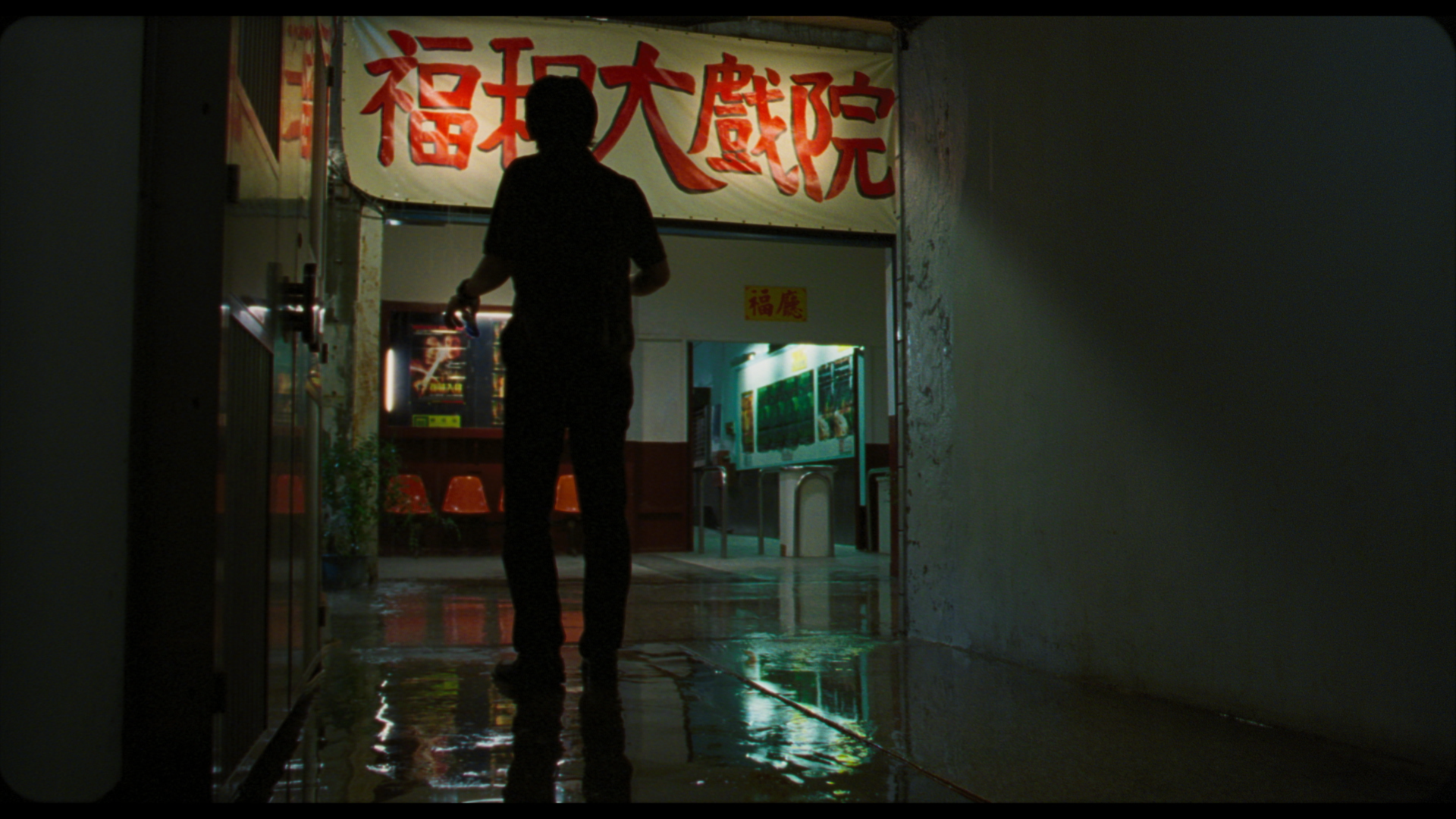
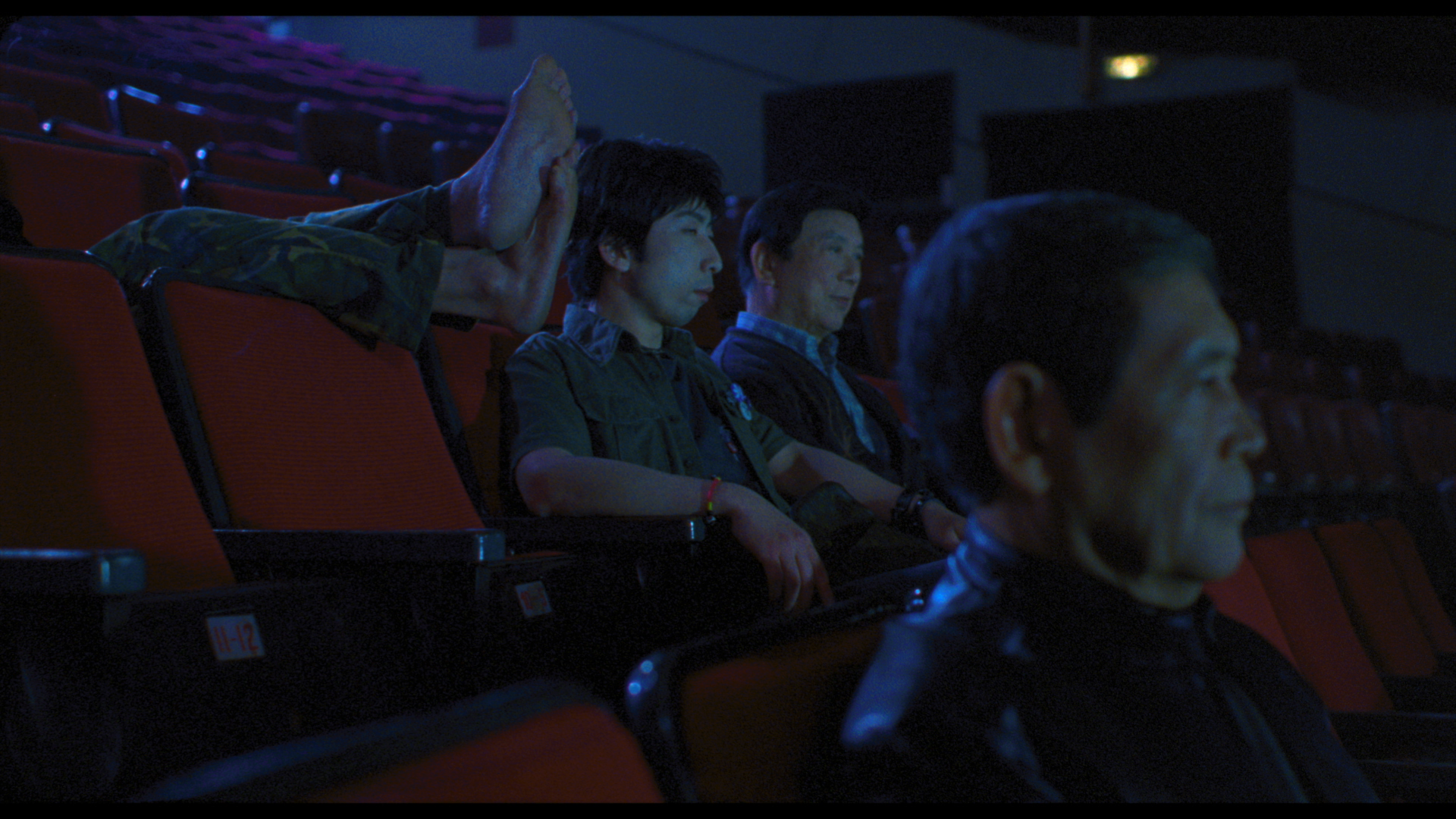
The film is drenched in nostalgia. Tsai’s choice to feature Dragon Inn stems from his own childhood memories of watching the iconic wuxia film. Two actors from Dragon Inn, Miao Tien and Shih Chun, appear in Tsai’s film as audience members. The Fu-Ho Grand Theater, which was originally built in 1972 and hosted a single screen with 1,000 seats, reveals glimpses of a bygone era that Tsai clearly has a soft spot for. With a leaking roof and flickering lights, it no longer lives up to the “grand” in its name. “This theater is haunted,” a man says in one of the few lines of dialogue in the film. “Ghosts.”

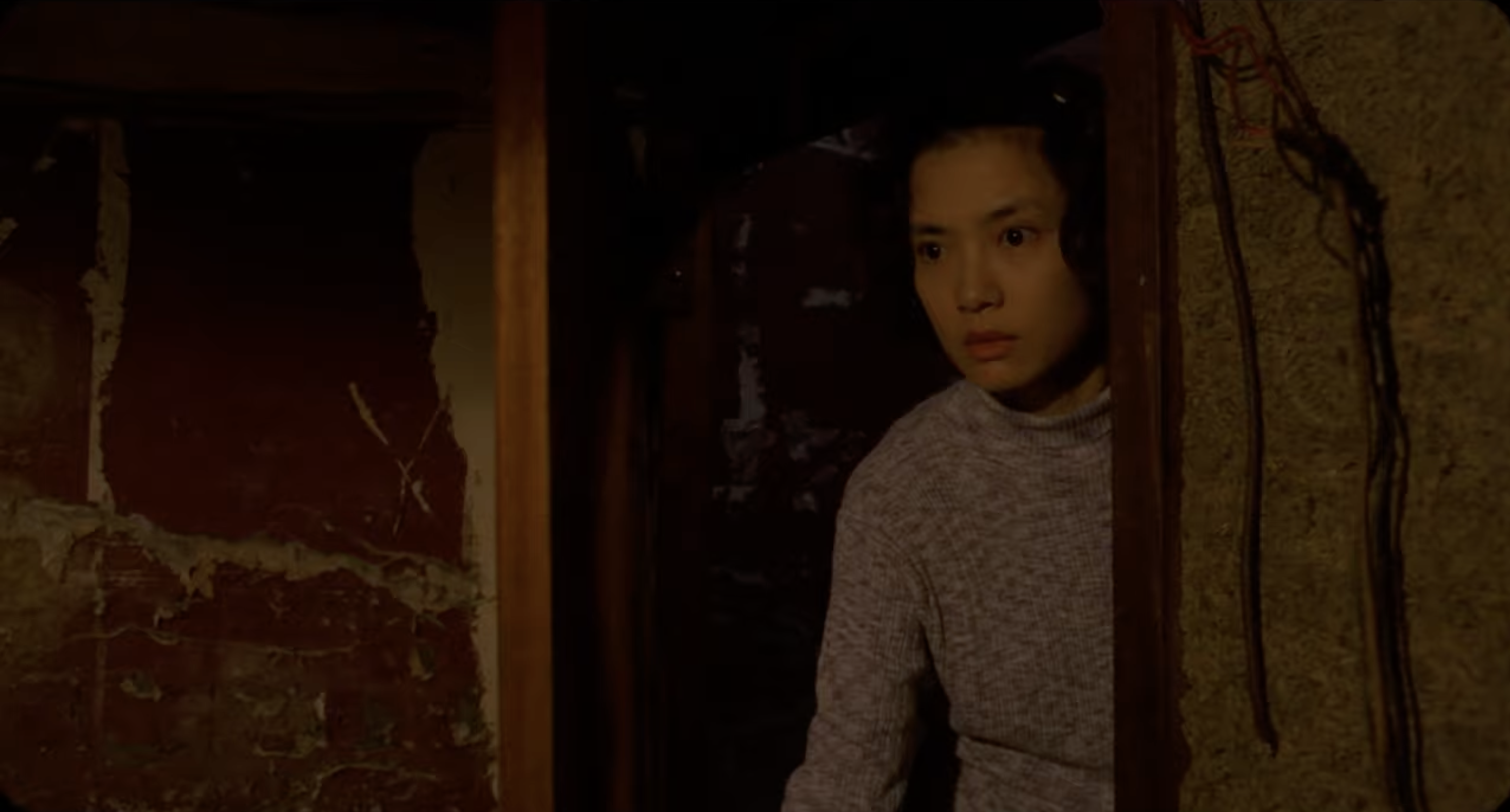
With films like Vive L’Amour (1994) and The Hole (1998), Tsai Ming-liang had already established himself as a master of depicting decaying urban environments, the mundanity of everyday life, and the innate longing for human connection. As a prominent figure of the slow cinema movement, Tsai illustrates these same themes in Goodbye, Dragon Inn with a steady, unwavering hand. As the film continuously lingers on shots of the old theater, the audience reacting to Dragon Inn, and individuals observing others around them, we are given the room to notice the subtlest of details. The pace at which a ticket attendant limps across a hallway. The hum of the film reel spinning in the projectionist’s room. The first tears welling in a movie watcher’s eyes. Tsai takes us into the Fu-Ho Grand Theater alongside the characters in a most intimate manner, creating an incredibly sensory experience.
Despite its slow pacing, the film has its moments of humor. There are several instances in which audience members are repeatedly disturbed by the actions of those around them. The loud crunch of someone chewing on a snack, the presence of someone’s feet propped up on the chair next to them, people entering and exiting the theater in the middle of a film—Tsai pays homage to all parts of the moviegoing experience, painting these moments and details with tenderness.


Goodbye, Dragon Inn ultimately reckons with the nature of moviegoing itself. Why do we watch films in theaters? In a constantly modernizing world, is it an inevitably dying experience? How are we shaped by the films we watch? By the end, the film defines moviegoing as a vital part of the human experience. Watching a movie in a theater allows us to accept our longing for human connection through a communal experience, to embrace our own emotions evoked by cinema, and to experience our surroundings with heightened senses. “No one goes to the movies anymore, and no one remembers us anymore,” says an elderly man in the lobby after Dragon Inn ends. Yes, theaters may close and memories may not last, but moviegoing is forever.
You can stream Goodbye, Dragon Inn on Kino Film Collection and own the remastered cut on Blu-ray.
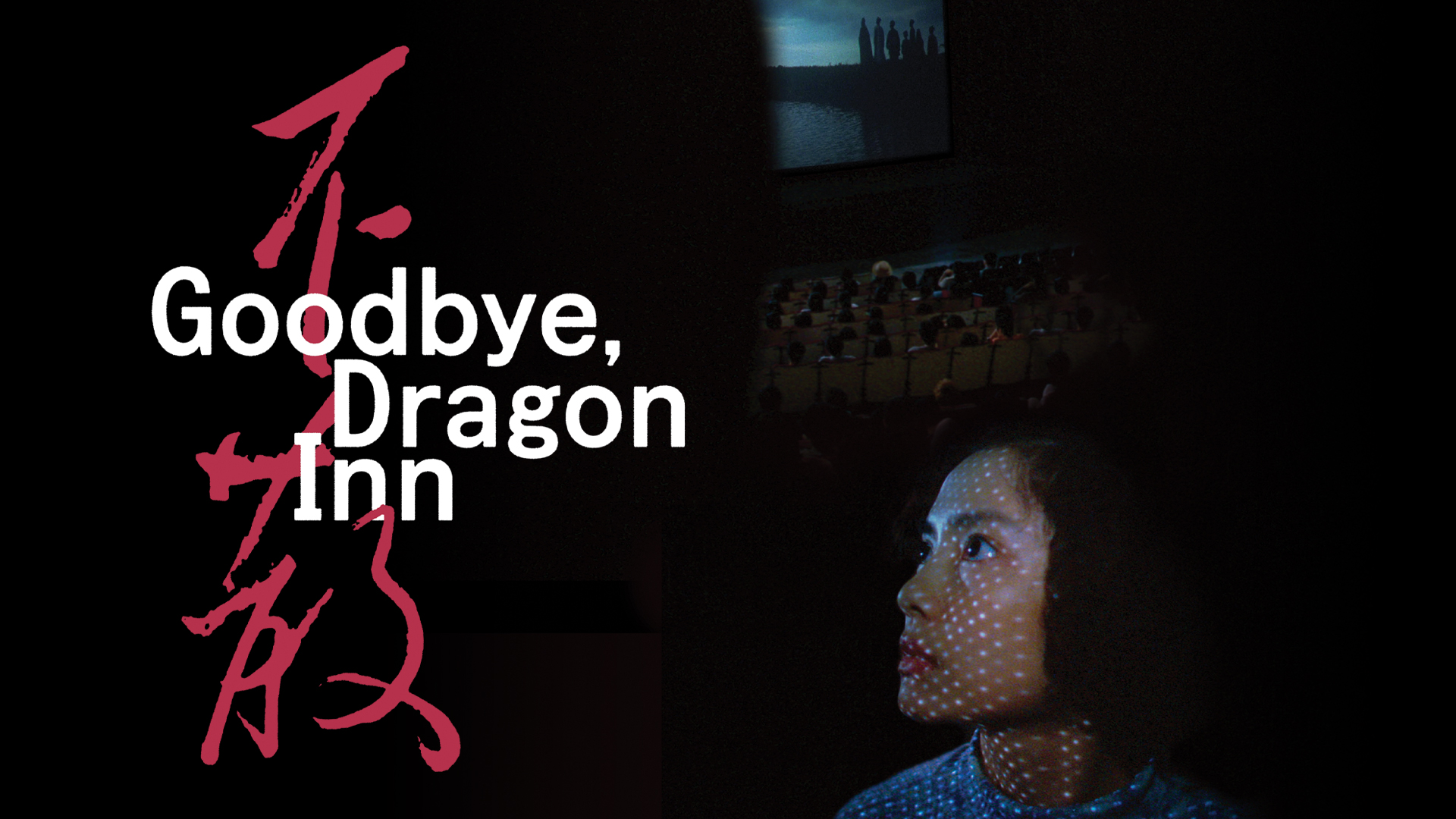
Goodbye, Dragon Inn (2017)
In Tsai Ming-liang’s minimalist film, the Fu-Ho Grand, a movie palace in Taipei, is closing its doors. Its valedictory screening: King Hu’s 1967 wuxia epic “Dragon Inn” plays to a motley smattering of spectators, including two stars of Hu’s original opus, Miao Tien and Shih Chun, who watch their younger selves with tears in their eyes.