


Indulge in These Erotic Euro Cult Horror Gems
If you like the vintage horror of Dario Argento and Mario Bava, then we’re delighted to introduce to you some of their seedier cousins. These are the filmmakers behind one of the more fringe and underrated horror subgenres: the erotic Euro cult films of the '60s and '70s. Some eschewed conventional horror for a blend of supernatural fantasy, sci-fi, and eroticism known in French cinema as fantastique, while others preferred unbridled blunt-force gore.
From French filmmaker Jean Rollin, an erotic horror legend, to sexploitation-slasher master Pete Walker, these are the directors who looked the genre in the eye and said: “not kinky enough!” Doomed ingenues, BDSM, surrealist nightmare scenarios, and lots of vampires... these are just some of the sinfully salacious tropes splayed throughout these films. Indulge in this vintage horror watchlist that’s lavishly gruesome and unabashedly perverse.
[Content warning: Many of these films include scenes of sexual violence.]
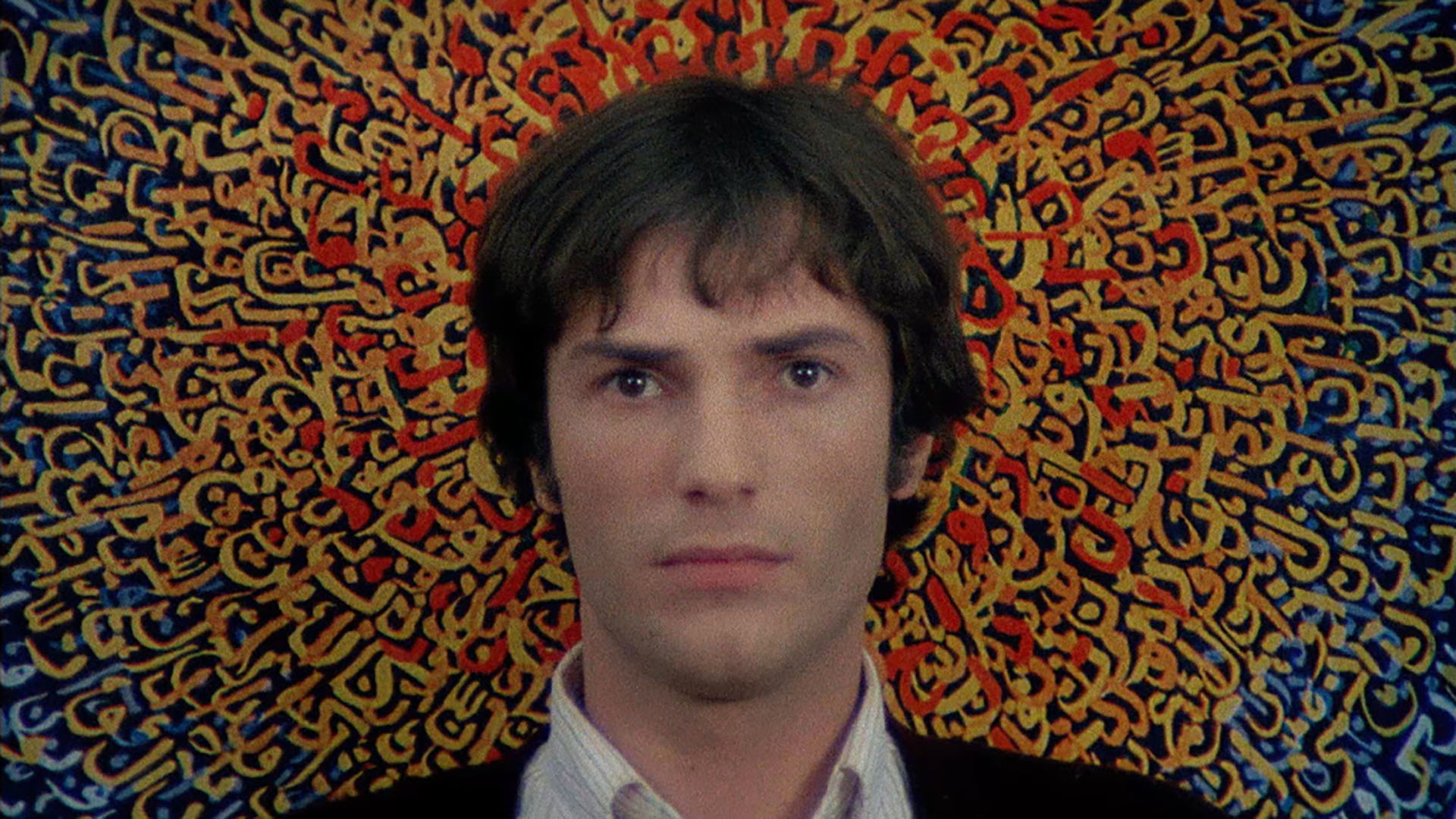
Eden and After (1970)
Alain Robbe-Grillet’s Eden and After follows a group of disillusioned French students who are lured into the sexual mind games of a mysterious Dutchman. He introduces a substance to them called “fear powder,” which causes them to have hallucinations that are both terrifying and carnal. Reminiscent of a fever dream, Eden and After is like an experiment within an experiment. Instead of a formal script, Robbe-Grillet crafted the film’s story based on composer Arnold Schoenberg's 12-tone scale, which inspired an assortment of themes that were then shot without pre-planning. The result is effective and captivating, because you feel like you’re hallucinating along with the characters.

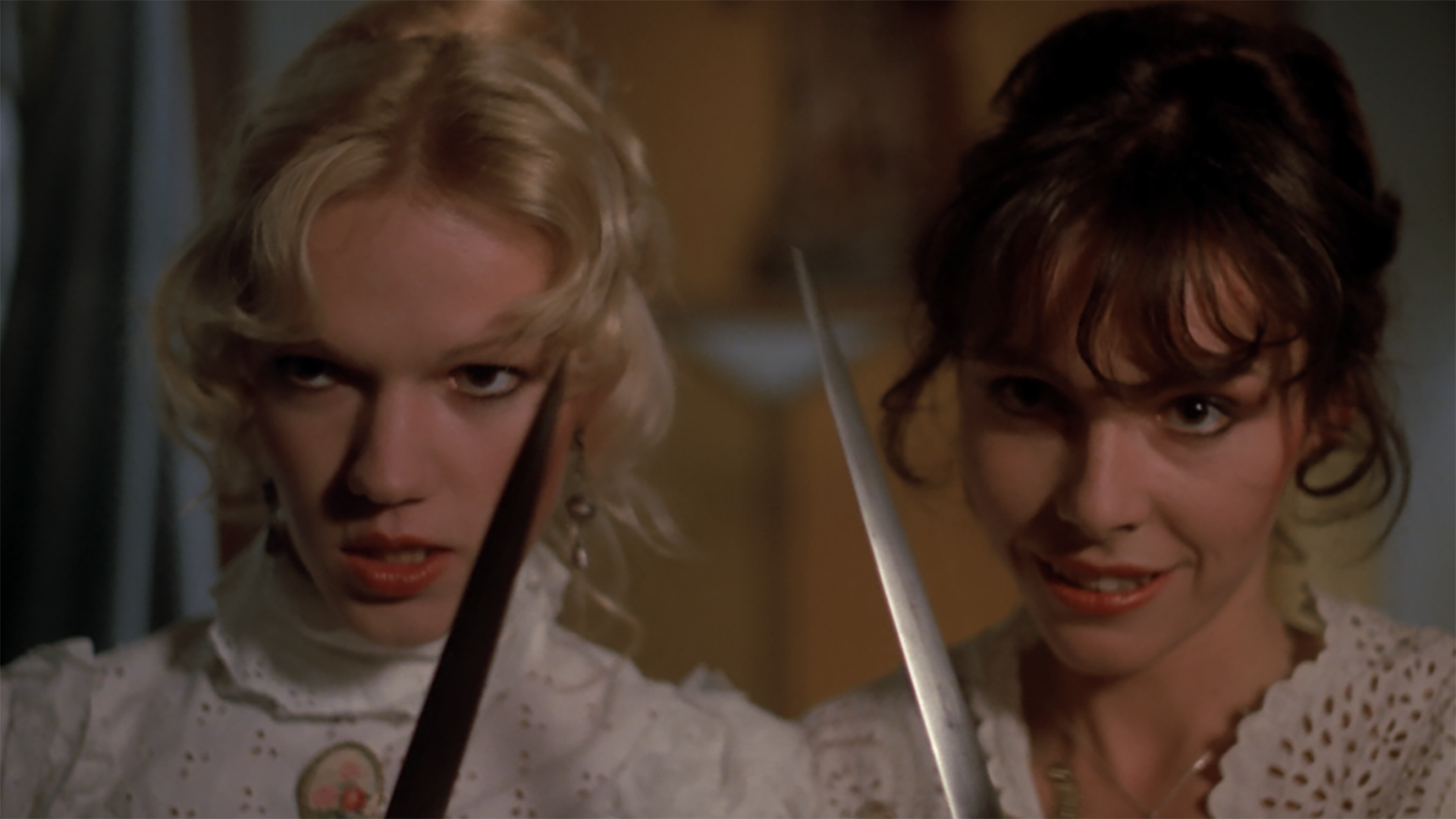
Fascination (1979)
Blood-drinking Satan-worshiping bisexual women living in a chateau. How could anyone not be fascinated (pun intended) by this premise? From the erotically twisted mind of Jean Rollin, Fascination follows Marc, a thief on the run who takes refuge in a chateau where beautiful chambermaids Eva and Elizabeth take him in and seduce him. When the thieves Marc is running from show up, the women take matters into their own hands, along with a handy scythe. The real fun begins, however, when the Marchioness and her servants arrive. They hold a party, where Marc is guest of honor and feels on top of the world…until midnight strikes and the women’s dark secret is revealed. Sapphic eroticism and unique scythe kills aside, Fascination explores some deeper themes, like class, power, and human obsession.
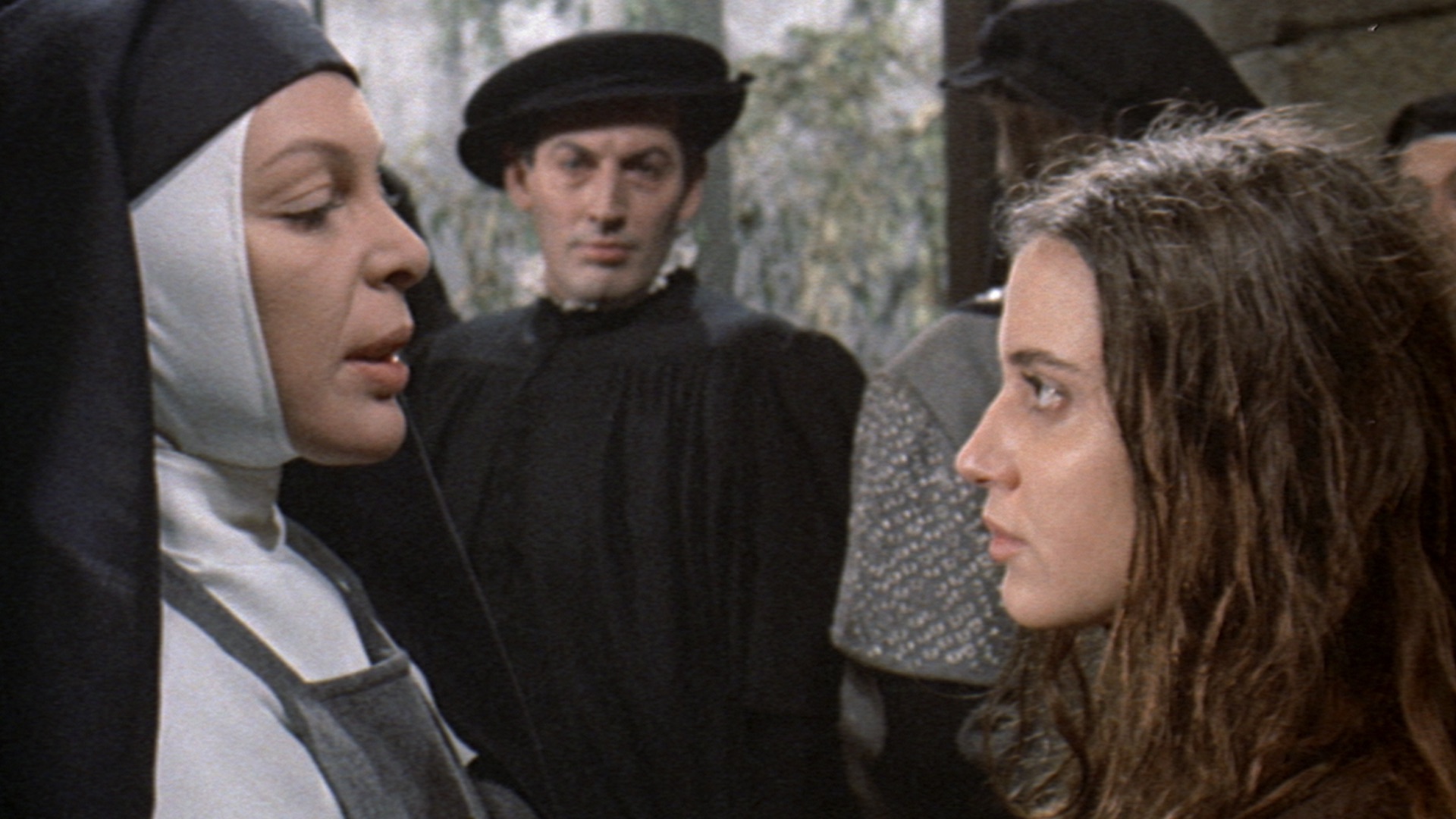
The Sinful Nuns of St. Valentine (1974)
One of the most marvelous things about horror is the way subgenres branch out into even more niche offshoots. One of the recurring subgenres of Euro cult is nunsploitation, a genre that’s as fun as it sounds. Sergio Grieco’s The Sinful Nuns of St. Valentine fits squarely into that category, but in between sexually voracious lesbian cellmates and lusty abbesses is a poignant love story reminiscent of Romeo and Juliet. After escaping armed men, Esteban seeks refuge at the convent of St. Valentine, where his girlfriend Lucita has been sent by her family to separate her from Esteban. Despite their families’ disapproval, Esteban and Lucita make plans to elope, but several forces within the convent threaten their union. Can Esteban rescue Lucita or will they get caught in the sinful traps of St. Valentine?
Requiem For a Vampire (1971)
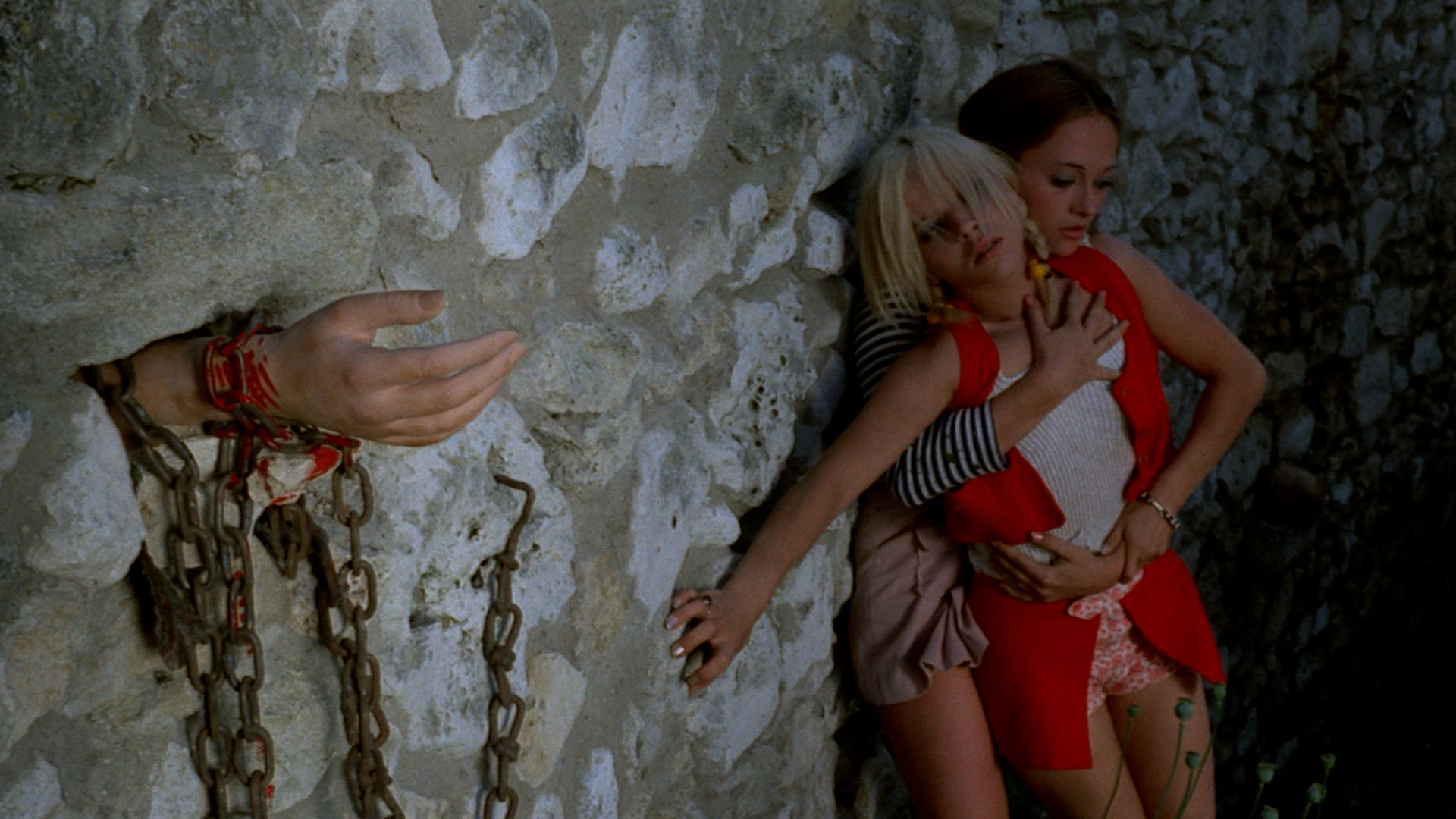
What’s better than a vampire story? A vampire story with clowns, naturally. Conjured from the perverse depths of Jean Rollins’ subconscious, Requiem For a Vampire opens with two young women dressed as clowns caught up in a deadly car chase, shooting at the vehicle pursuing them. Eventually they evade their stalkers and end up in a gothic castle, where they meet the last of the vampires and engage in copious amounts of coitus. Much of the film feels like a surreal fever dream, and Rollins himself has called it “nothing else but a simple stream of ideas out of an unconstrained imagination.” And because Requiem For a Vampire is a physical manifestation of his subconscious, Rollins has also called the film his favorite that he’s done.
The Nude Vampire (1970)
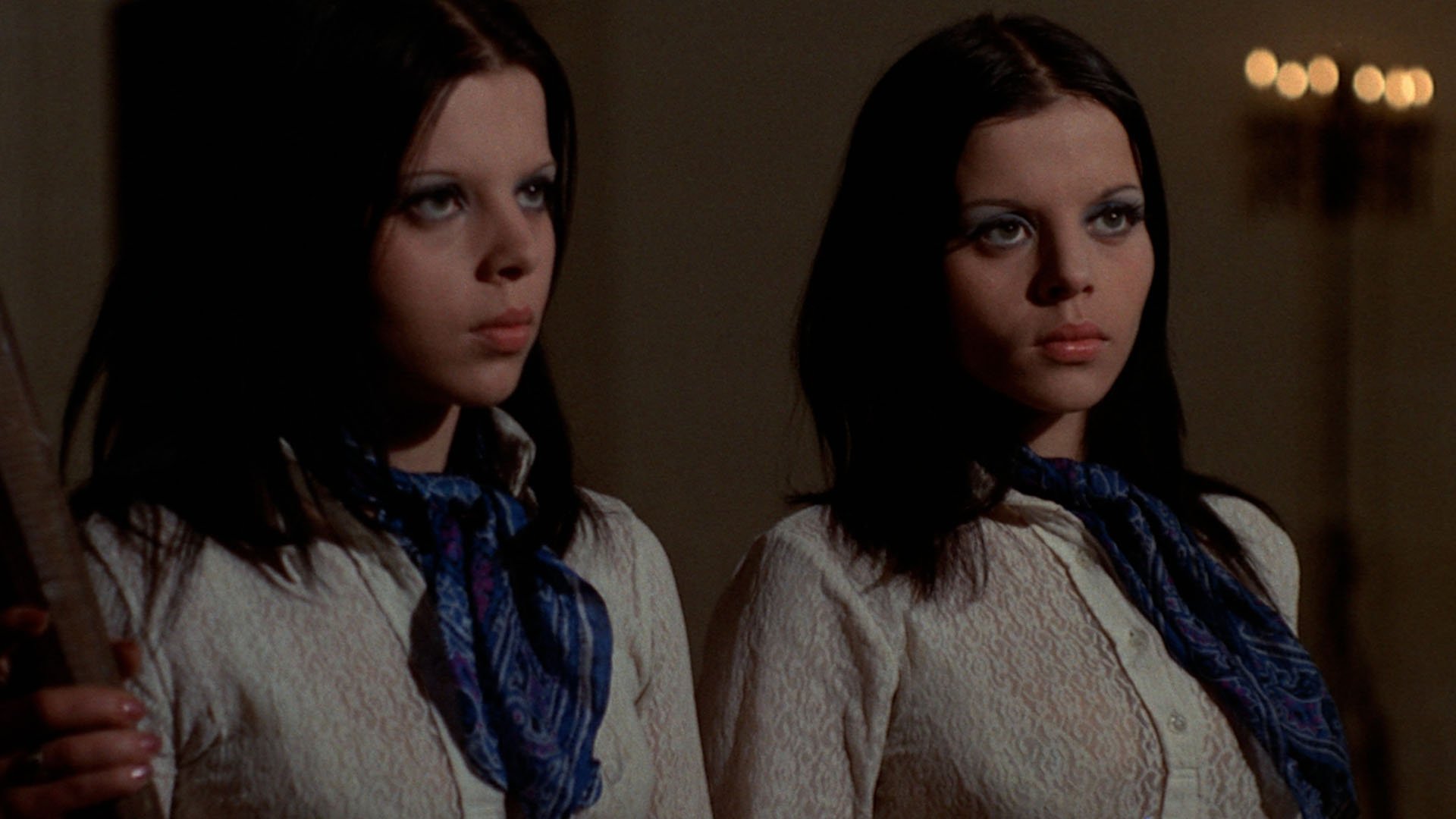
Before there was Requiem For a Vampire, there was The Nude Vampire. Jean Rollins’s second feature, the first in color, was the film that established the signature Rollins recipe: mysterious women, vampires, twins, cult-like rituals, and, of course, a lot of nudity. In The Nude Vampire, a man named Pierre runs into a mute woman who’s being chased by tuxedoed men in strange animal masks. Eventually, Pierre discovers that his father is conducting experiments on the woman who drinks blood and can heal inhumanly fast. Pierre then teams up with a cult of vampire hippies to rescue the girl, leading to a shocking revelation about humanity that takes the vampire trope, rips it up, and refashions it into something new and distinctly Rollinsian.
The Erotic Rites of Frankenstein (1972)
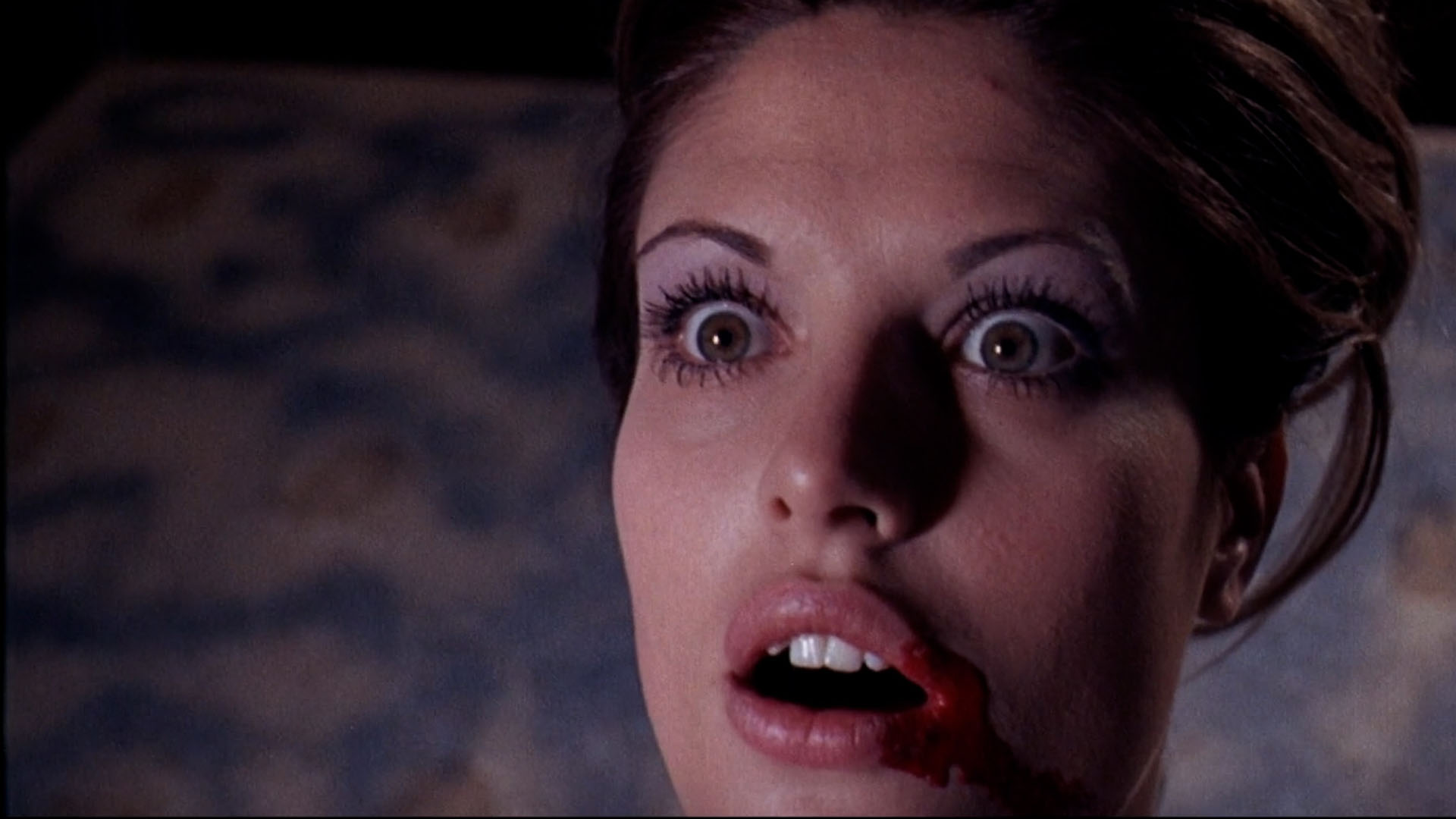
There are typical monster movies, and then there’s a Jesús Franco monster movie. There’s a lot more sex in the latter. Prime example: His 1972 film The Erotic Rites of Frankenstein, which might be one of the kinkiest monster movies ever made. After immortal magician Cagliostro sends his bloodthirsty assistant (who’s half human, half bird, naturally) to kill Dr. Frankenstein and steal his monster, Cagliostro commands the creature to abduct young women to breed with in order to create a master race of slaves. Jesús “Jess” Franco is notorious in the world of b-horror, with more than 170 film credits to his name, but this film catapults him to the top of a short list of Eurosmut directors to know. The Erotic Rites of Frankenstein is magnificently sleazy, deliriously psychedelic, and unsparingly blood-soaked. After watching Franco’s version, you might never go back to typical monster movies ever again.
Justine (1977)
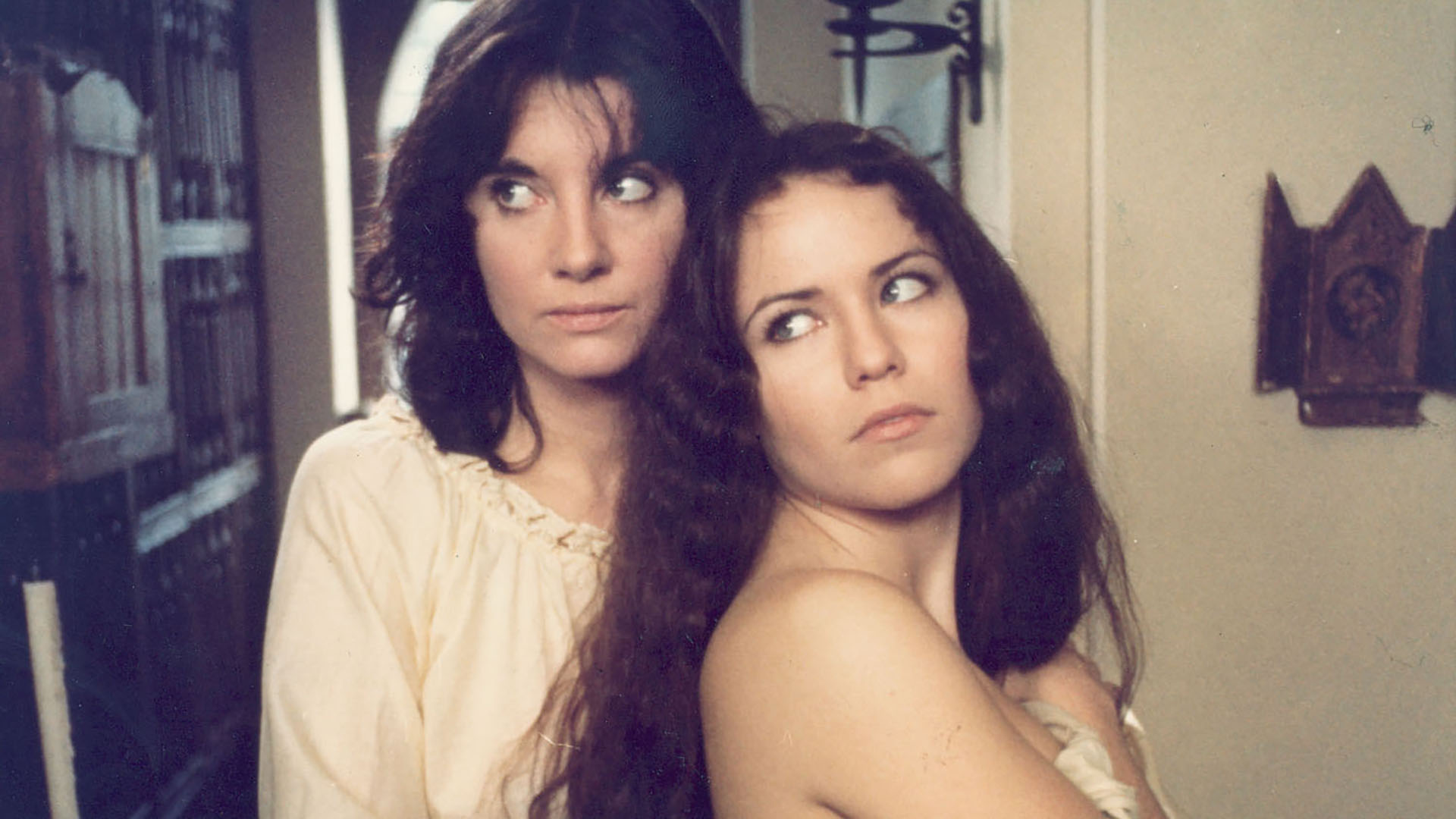
Based on the 1791 novel of the same name by the Marquis de Sade, Justine (also known as Cruel Passion) follows two sisters who are thrown out of an orphanage and into a world of utter depravity, complete with predatory nuns, prostitution, bondage, and murder. Young virgin Justine resists these immoral temptations while her more adventurous sister Juliette embraces the debauchery, sending the two siblings down two very different paths—one far more cursed than the other. Chris Boger’s film reinforces the philosophies of the Marquis de Sade with enough sleaze and sadism to shine as a fine example of Sadean cinema. If you could boil the film down to one Sade quote, it might be: “In order to know virtue, we must first acquaint ourselves with vice.”
Die Screaming, Marianne (1977)
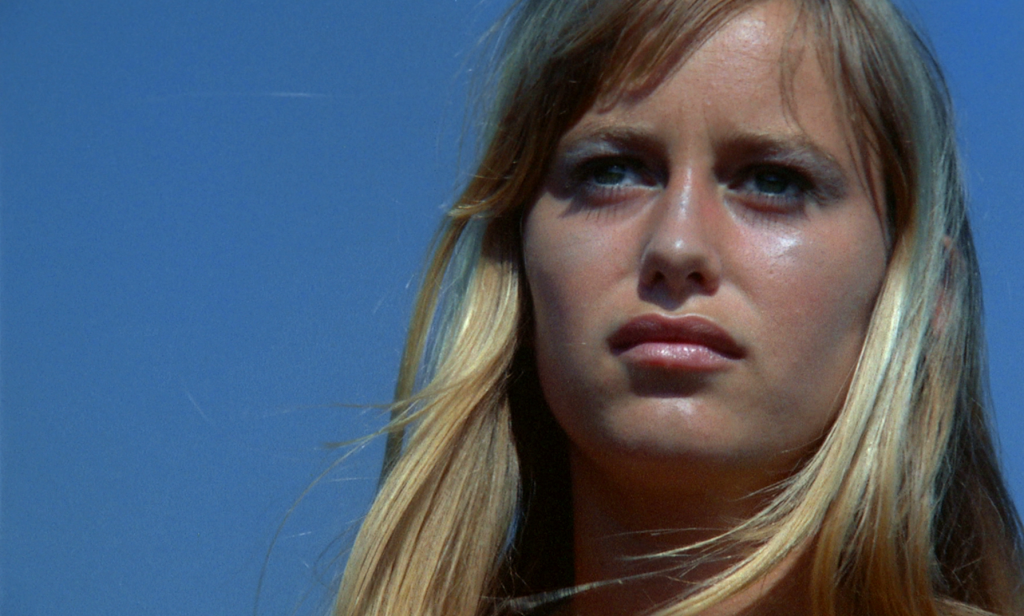
Marianne (Susan George) is a free-spirited hippie caught in a nightmarish plot to steal her inheritance. After fleeing her criminal, incestuous family, a spurned lover forces her home, where her insidiously creepy judge father (Leo Genn) cares more about money than his daughter’s safety. A twisting, surprise-a-minute ride proves home is not where the heart is in Pete Walker's thriller.
The Big Switch (1968)
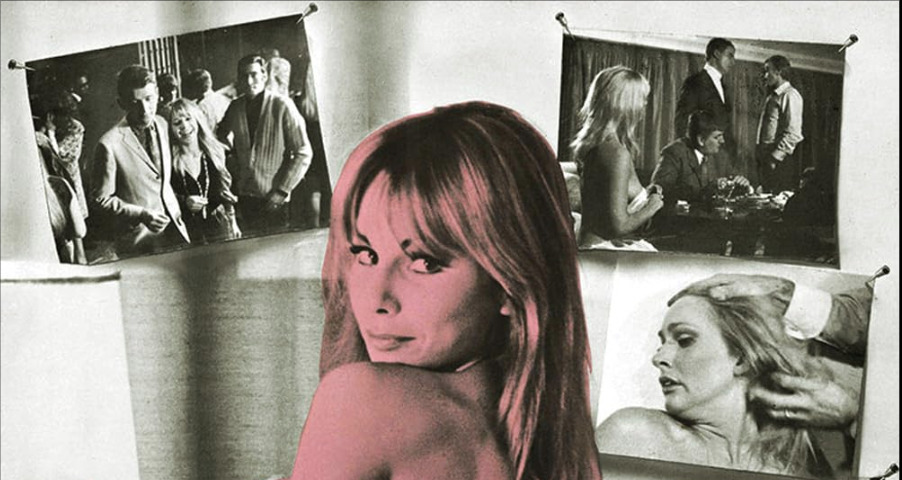
Set in Pete Walker’s seedy world of posh London nightclubs, pornographers, and pop stars, The Big Switch follows playboy John Carter after he’s implicated in the murder of a blonde he met at a discotheque. Trapped in a web of gangsters and smut filmmakers, Carter is blackmailed into posing for illicit photographs as he struggles to escape the criminal underworld closing in around him.
The Living Dead Girl (1982)
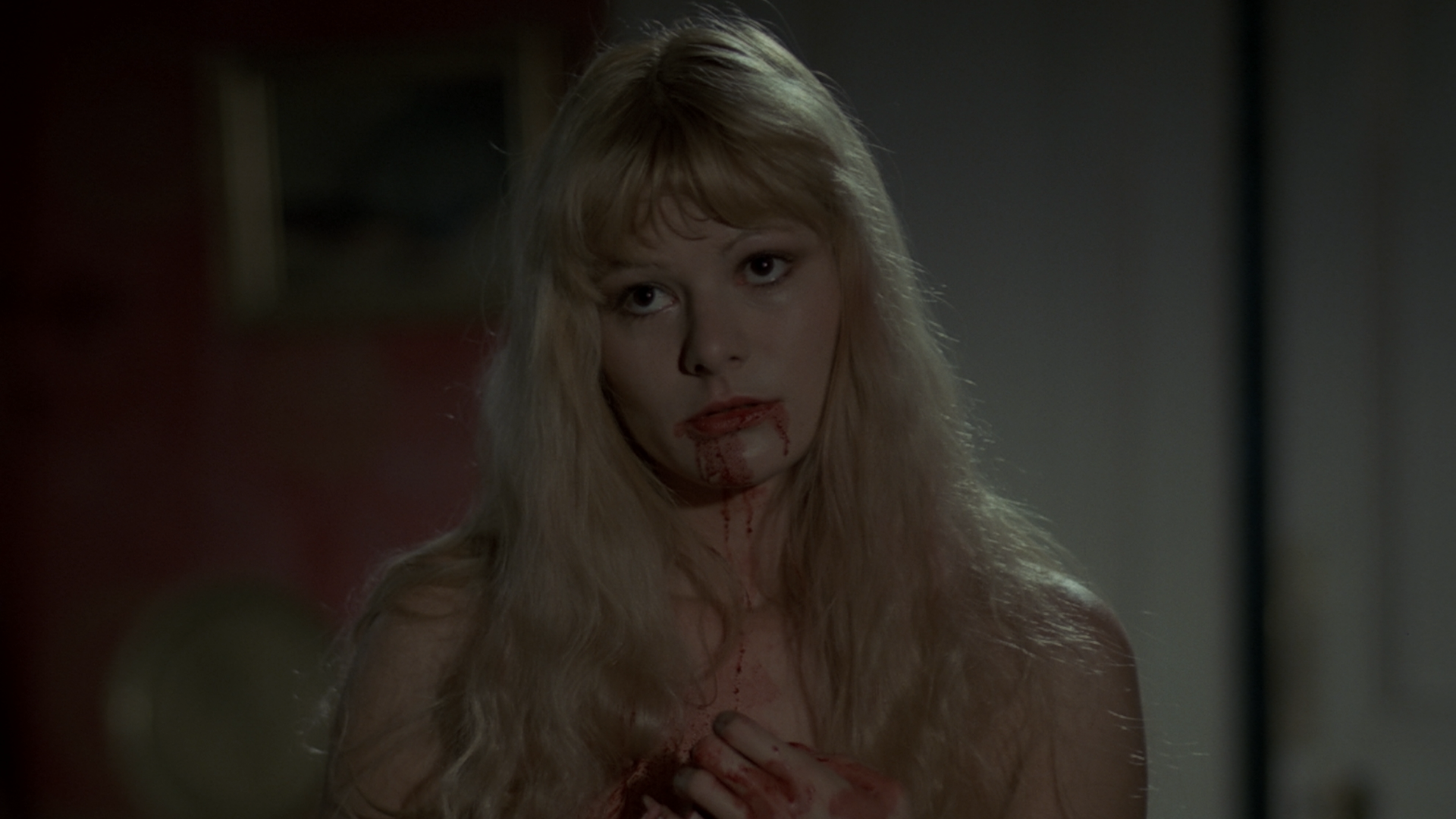
A wealthy heiress, dead before her time, is accidentally reanimated when movers store chemical waste in the neglected burial vaults below her chateau. Jean Rollin's "living dead girl" kills, drinks blood, and devours flesh, yet remains an innocent. Meanwhile, her resurrection awakens something infinitely more conscious, deliberate, and evil in her childhood friend, Hélène.