Iconic Women Filmmakers Who Have Shaped the Film Landscape
March 19, 2026
Love and Anarchy - Lina Wertmüller
Our celebration of Women’s History Month continues with an outstanding group of directors who not only contributed tremendously to cinema, but helped shape the entire film landscape over the last century. They shattered ceilings to make history, eschewed mainstream expectations to keep underground and independent filmmaking alive, and opened doors for future generations of women directors to come. Without Lina Wertmüller, we may not have Kathryn Bigelow. Without Patricia Rozema, we may not have Greta Gerwig. These are the filmmakers whose names deserve a place in the canon alongside the Kubricks and Coppolas. Meet these iconic women filmmakers who have influenced film as we know it, and stream their works on Kino Film Collection.
Lina Wertmüller
Lina Wertmüller may go down in history as the first female director to be nominated for a Best Director Oscar® (for her 1976 film Seven Beauties), but that’s not how she wants to be remembered. She says in her documentary Behind the White Glasses, “I wanted to go down in history as a director who had fun.” Equally known for her distinct cinema style that examined sex, violence, and politics unflinchingly and for being a troublemaker—she holds the Guinness world record for longest film title and was allegedly kicked out of 15 Catholic schools—one thing is for sure: regardless of what she’ll be remembered for, Lina Wertmüller will be remembered. Kino Film Collection is proud to be home to six films by Wertmüller. Stream them all below.
Seven Beauties (1976)
Lina Wertmüller became the first woman ever nominated for an Academy Award for Best Director in this picaresque film about an Italian small-time crook whose ill-fated pursuits land him in jail, then a psych ward, then the army, and finally a German prison camp. Seven Beauties was also nominated for three more Academy Awards as well as recieved a Golden Globe nomination for Best Foreign Film.
Swept Away (1974)
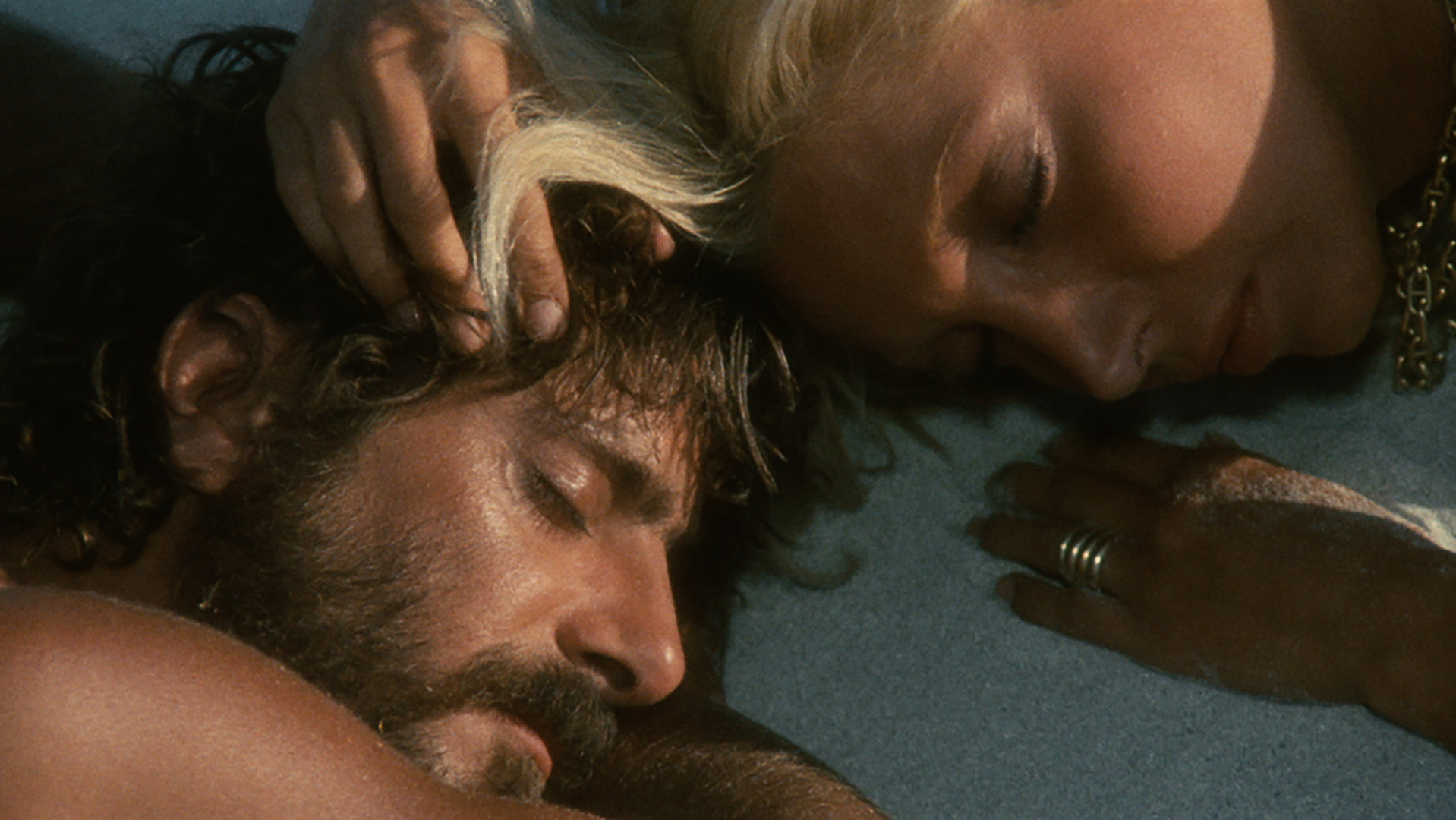
Directed by Lina Wertmüller, the first woman to be nominated for the Academy Award for Best Director, Swept Away is her famously controversial film about sex, love, and politics set against the backdrop of the beautiful Mediterranean. Mariangela Melato and Giancarlo Giannini star as an unlikely duo stranded at sea, leading to an unexpected and contentious love affair.
The Seduction of Mimi (1974)
A blistering satire of Italy in the 1970s, The Seduction of Mimi is a raucous sex comedy that brought international fame to director Lina Wertmüller (Swept Away) and takes aim at a corrupt government, compromised labor leaders and the Neanderthal sexual politics of men in power, with uproarious results.
Love and Anarchy (1973)
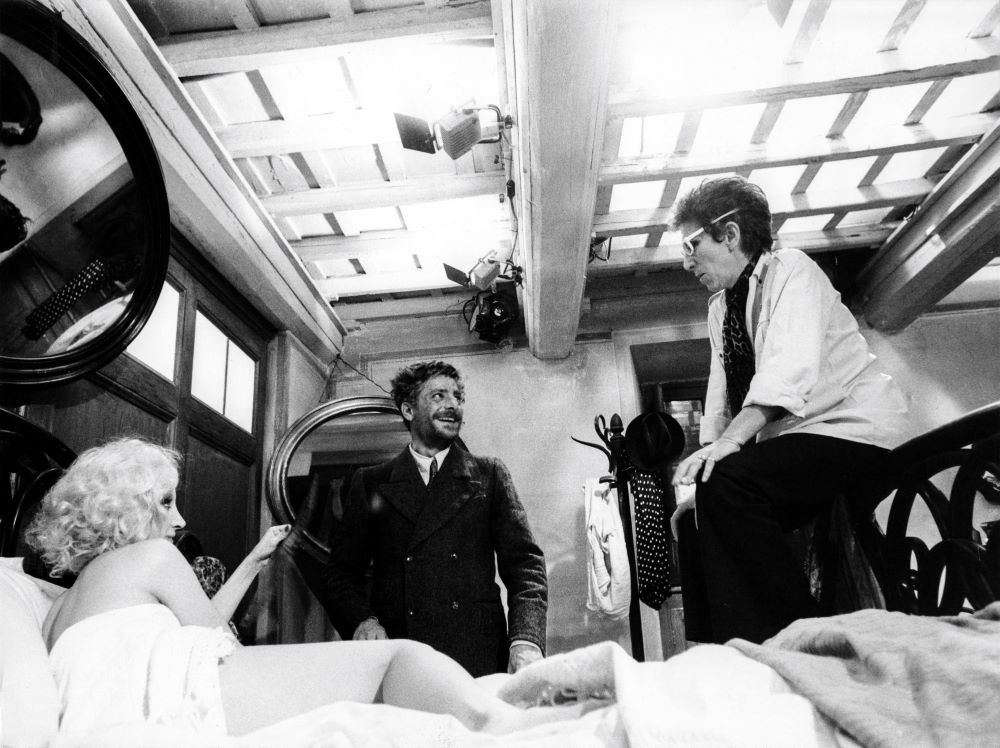
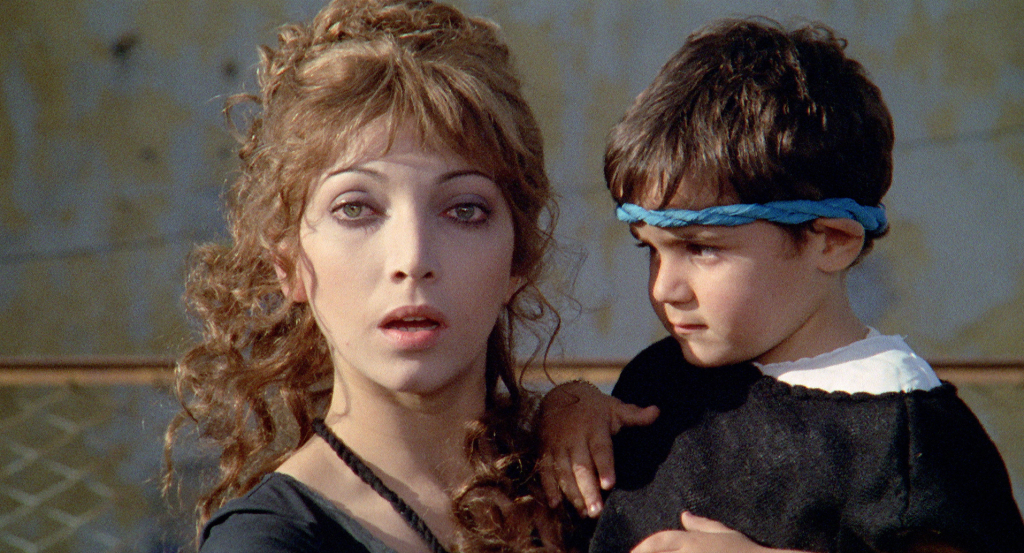
An epic tragicomedy from director Lina Wertmüller, Love and Anarchy plumbs the depths of fascist Italy from the perspective of a simple farm boy sent to kill Mussolini. Giancarlo Giannini won the best acting prize at the Cannes Film Festival for his achingly sensitive portrayal of Tunin, a freckle-faced innocent who became an accidental anarchist.
All Screwed Up (1974)
Written and directed by Lina Wertmüller (Swept Away), this story follows Gigi and Carletto, two Southern country boys who travel north to get work in Milan. Arriving with nothing but the clothes on their backs, they join the labor movement and live in a communal home with other migrant workers, including some combative love interests.
Summer Night (1986)
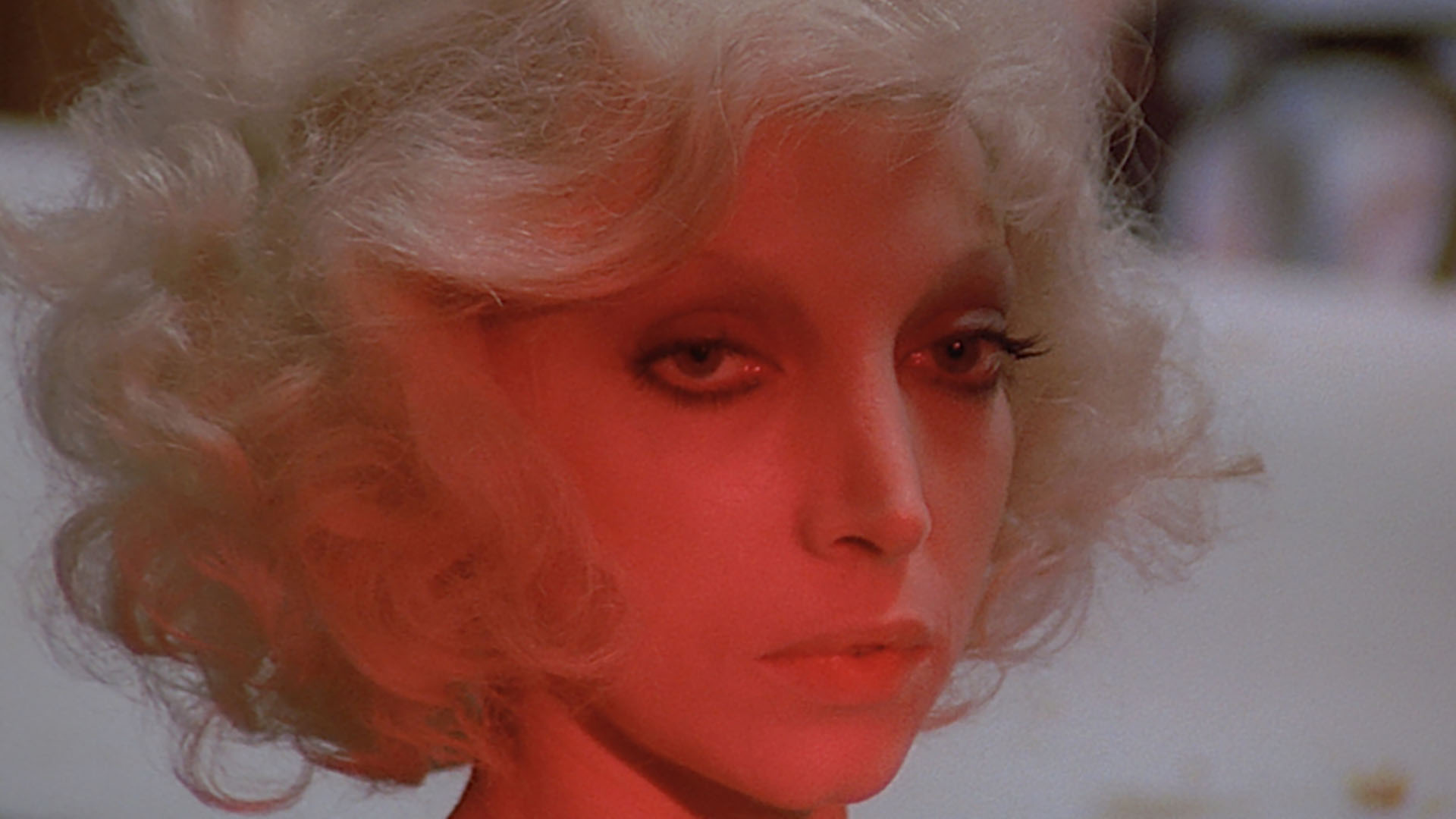
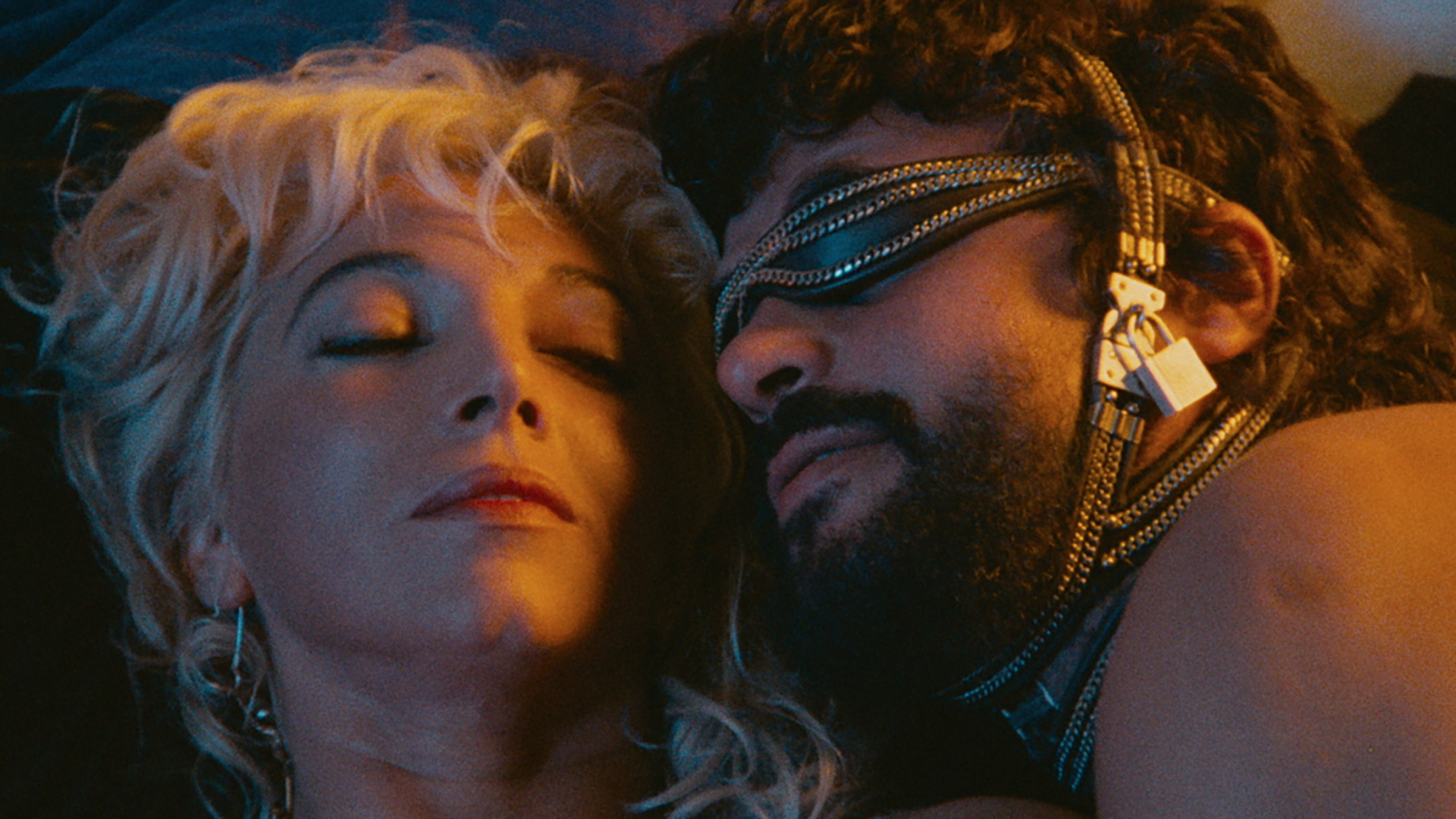
From director Lina Wertmüller, the first female director to be nominated for the Academy Award for Best Director, comes this Italian comedy starring Mariangela Melato as a self-made tycoon interested in ecological preservation. Fed up with the terrorists who poach Italy's rich beauty, she decides to abduct, blindfold, and chain the number one violator in her remote villa.
Patricia Rozema
Perhaps the truest test of auteurship is transcending genre, and Canadian director Patricia Rozema passes this test with flying colors. Rozema’s eclectic filmography includes her magic realism debut feature, I’ve Heard the Mermaids Singing; the quiet apocalyptic drama Into the Forest; the lesbian love story When Night Is Falling, which has been cemented in the queer film canon; and several TV projects, including HBO’s Grey Gardens, which Rozema co-wrote. Despite her genre-jumping resumé, there is a throughline that remains prevalent in Rozema’s entire body of work, which the director herself describes as “a humane and tender sensibility.”
Mouthpiece (2018)
Mouthpiece, adapted from a play of the same name, is a funny and original look into a woman's torn psyche following her mother's sudden death. Enacting the two sides of Cassandra's conflicting inner dialogue, playwright-performers Amy Nostbakken and Norah Sadava create a compelling portrayal of the tension between regression and progress that is often found within women.
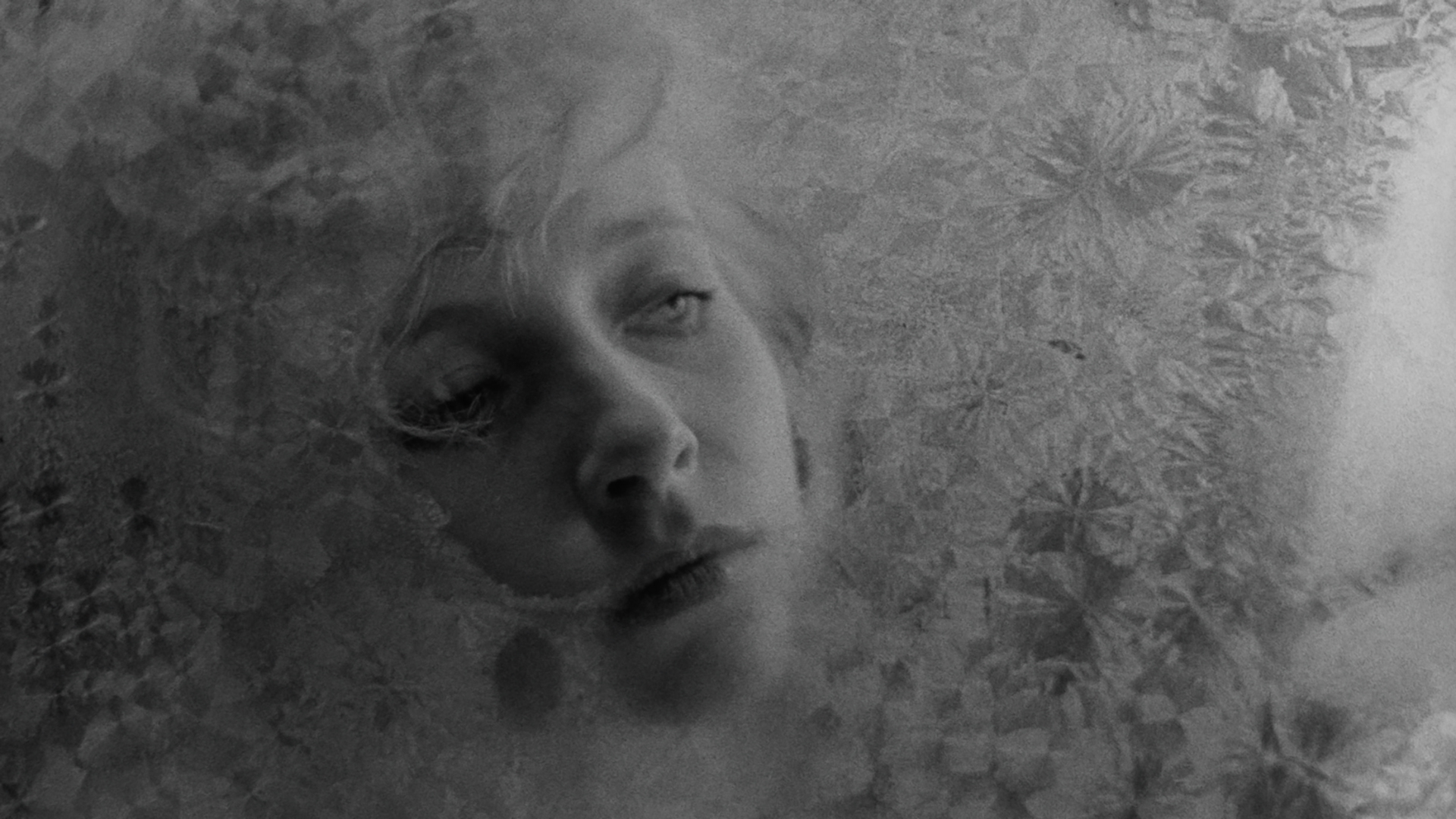
When Night Is Falling (1995)
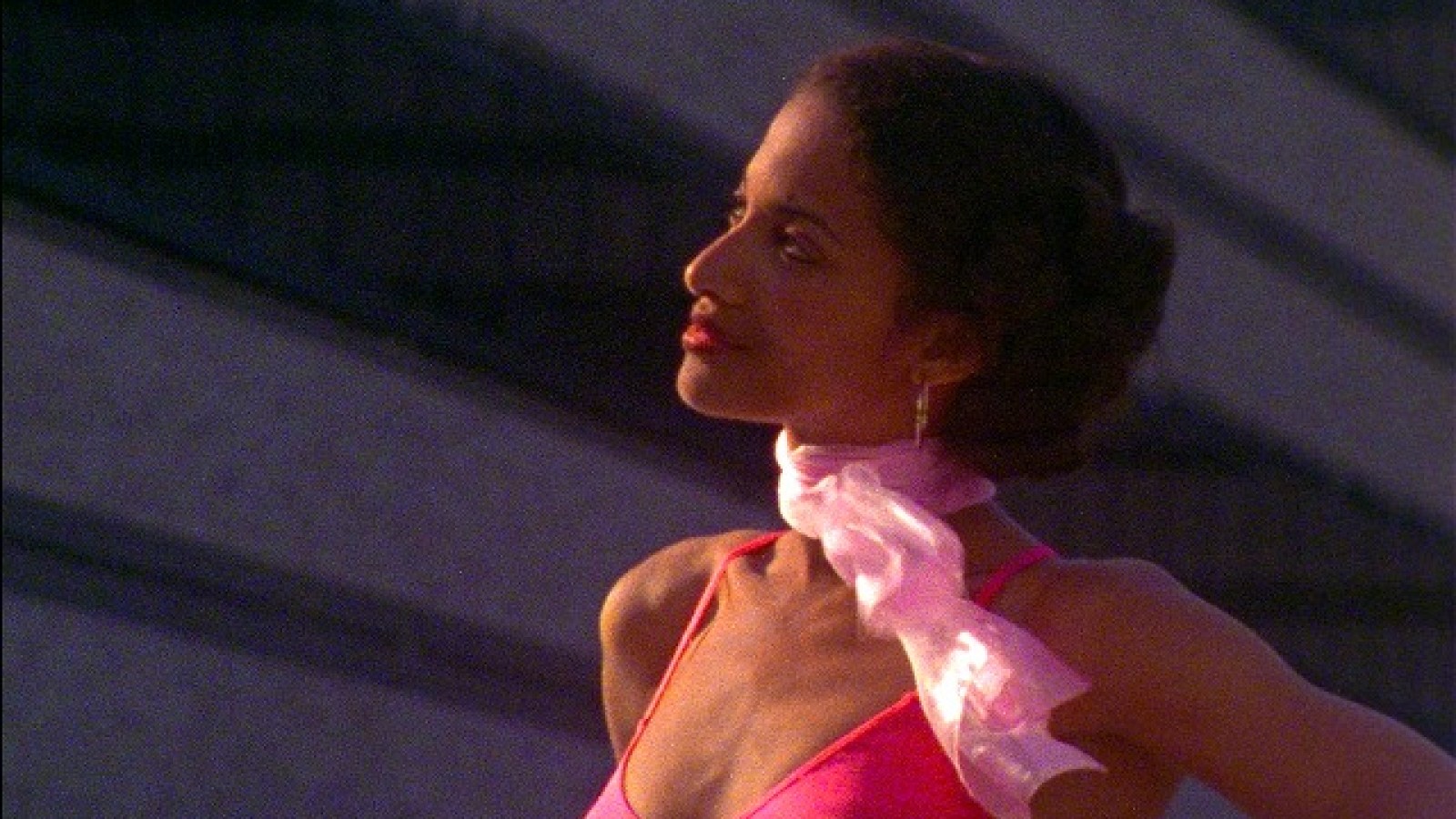
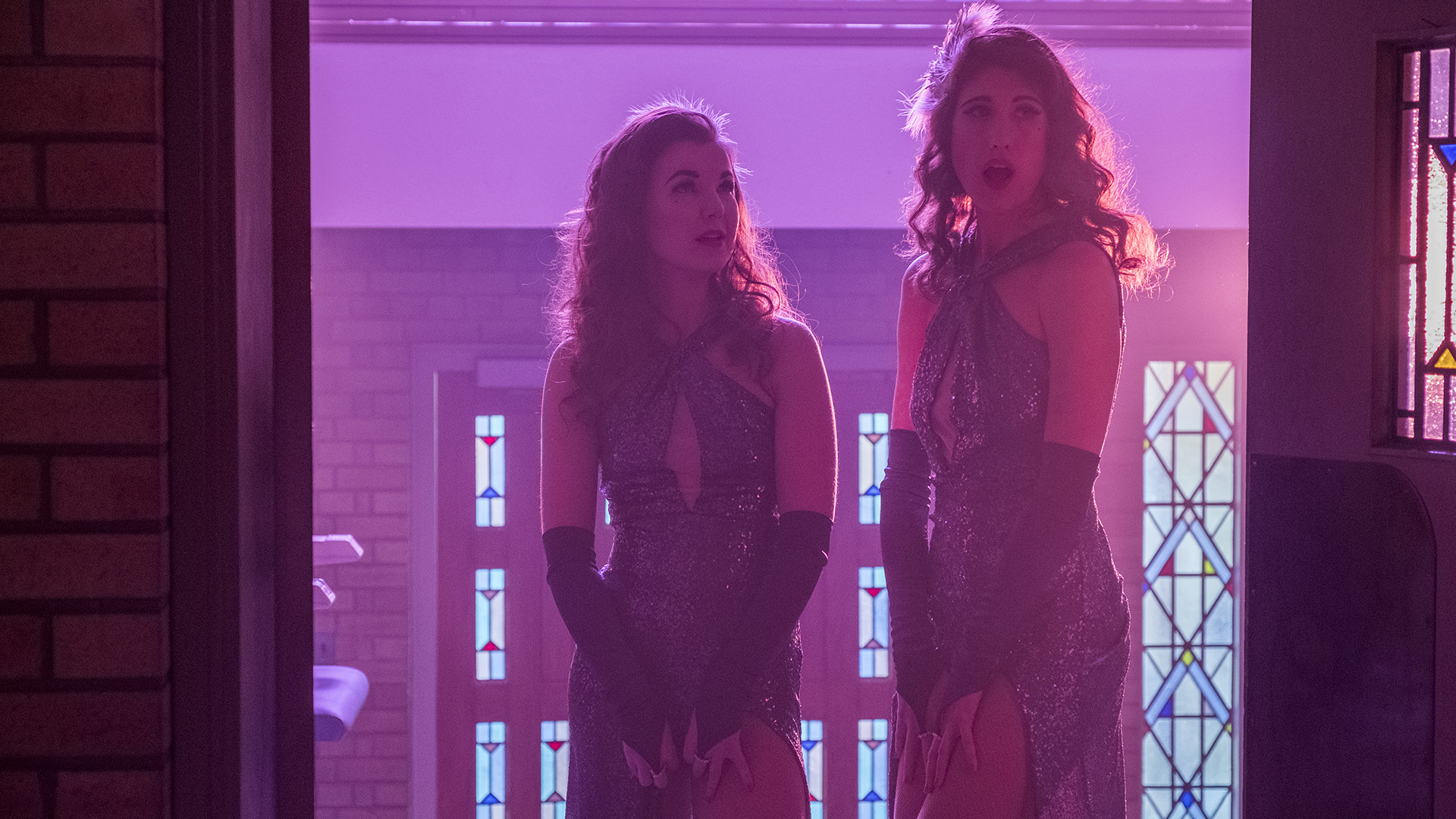
In Patricia Rozema’s lesbian love story, Camille, a professor at a Protestant college meets Petra, a wry and flamboyant performer in a modern Felliniesque circus troupe, and is inexplicably drawn. Camille pursues this sensual, dream-like woman, throwing her whole conservative life, not to mention her engagement to a respected minister, into disarray.
Ruth Orkin
She was an Oscar-nominated filmmaker, but Ruth Orkin’s first love was photography. The daughter of a silent film actress, Orkin grew up in Hollywood during the 1920s and 1930s, which no doubt imprinted on her the art and beauty of film. But after receiving her first camera at the age of 10, Orkin spent the first few decades of her life as a photographer for various publications, including LIFE. It was when she married fellow photographer and filmmaker Morris Engel that she turned to moving pictures. Together, the couple directed two feature films, Little Fugitive, which was nominated for an Academy Award® for Best Original Screenplay, and Lovers and Lollipops.
Little Fugitive (1953)
Widely regarded as one of the most influential films of American independent cinema and nominated for an Academy Award, The Little Fugitive is a charming fable that poetically captures the joys and wonders of childhood in New York City.
Lovers and Lollipops (1956)
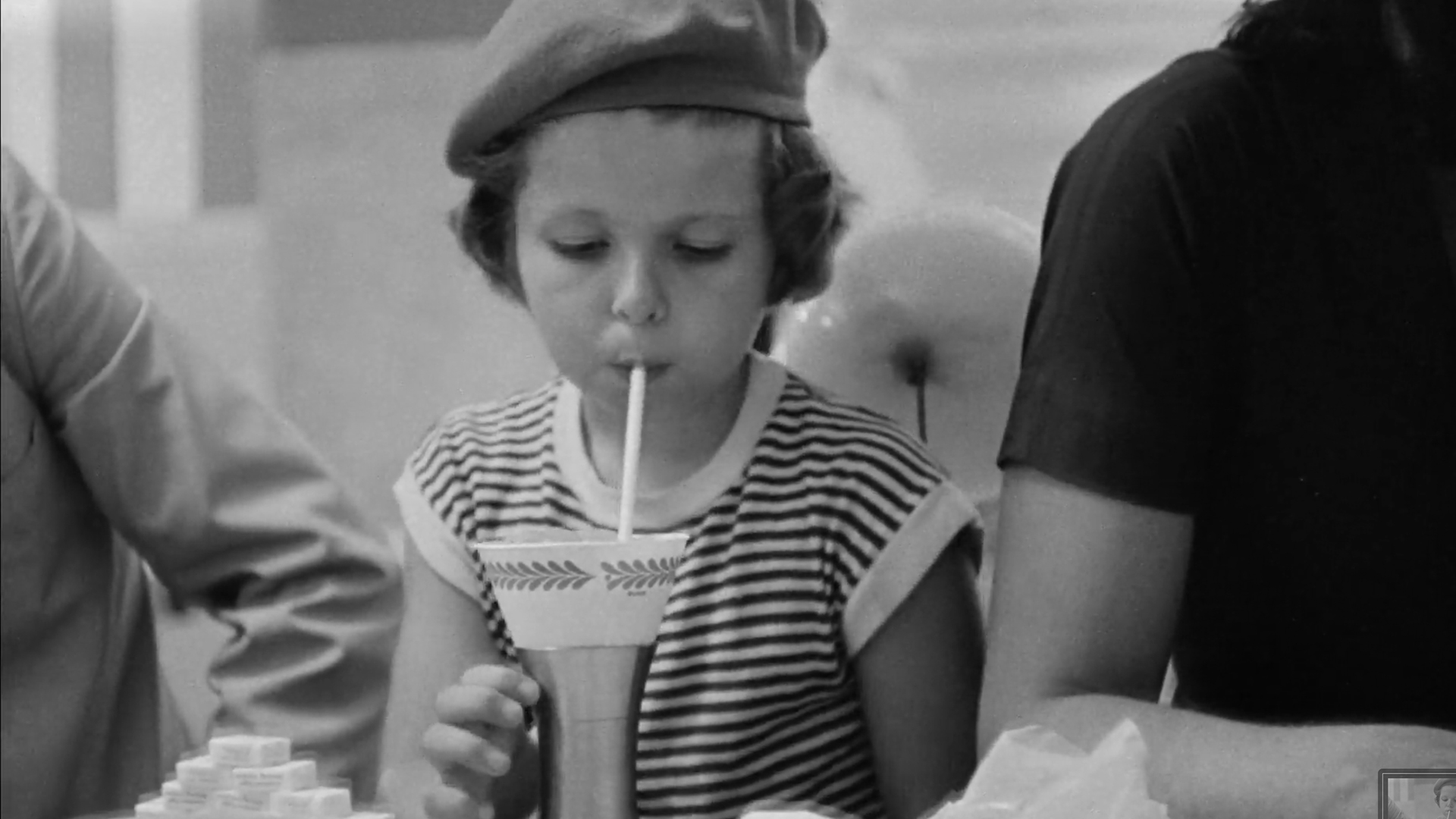
A follow-up to the hugely successful Little Fugitive, Morris Engel and Ruth Orkin's Lovers and Lollipops is the enchanting tale of a seven-year-old girl's reaction to her mom's new boyfriend. Shot on location among the landmarks of New York City, including the Central Park Zoo, Chinatown, and the Statue of Liberty, it is a lyrical ode to the resilience of love and the charms of youth.
Yvonne Rainer
A dancer, writer, and filmmaker, Yvonne Rainer revolutionized every discipline she touched. As a founding member of the Judson Dance Theater, Rainer redefined modern dance by introducing elements like walking and and running. In the ‘70s, Rainer did the same with avant-garde film, introducing new narrative forms and theoretical thinking that examined power, privilege, misogyny, and race. Some of her numerous awards and fellowships include two Guggenheim Fellowships, three Rockefeller Fellowships, a MacArthur Fellowship, and the Filmmakers’ Trophy at the Sundance Film Festival, which she won for her film Privilege.
Film About a Woman Who... (1974)
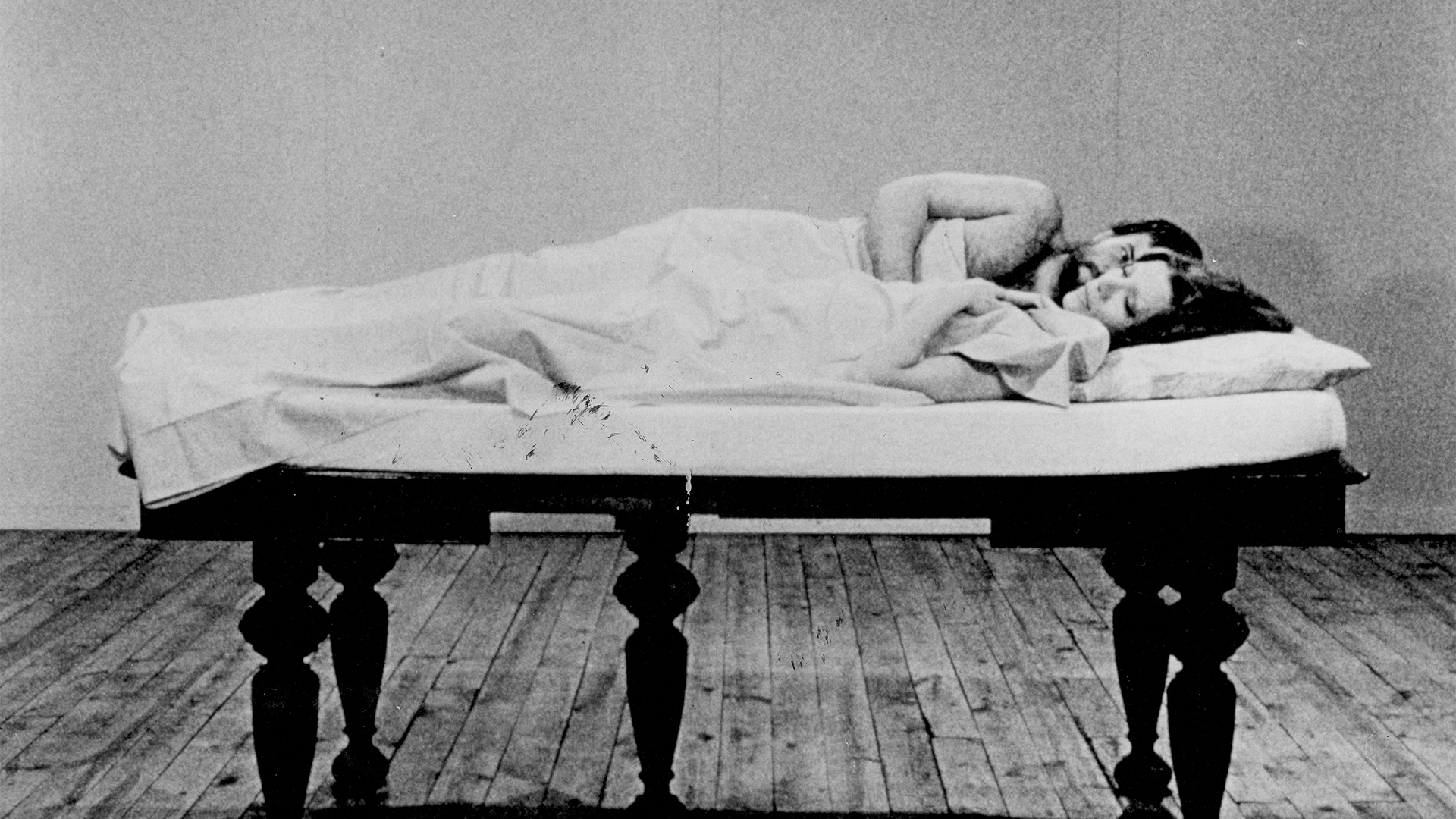
Yvonne Rainer’s second landmark feature tells the story of a woman whose sexual dissatisfaction masks an enormous anger, with Rainer needling at questions raised by contemporary feminism about the relationship between the representation of romantic clichés and sexual repression.
Susan Sontag
Susan Sontag was the ultimate intellectual multi-hyphenate. An essayist, novelist, critic, and filmmaker, Sontag was a leading thinker and voice in the critical analysis of modern culture. In addition to publishing essays in prestigious publications like The New Yorker, The New York Times, Art in America, and more, Sontag also published four works of fiction and nine works of nonfiction, including her seminal Against Interpretation. In 1969, Sontag turned to feature films, directing her debut, Duet For Cannibals, about two couples in Stockholm who become entangled in a psychological power struggle. But don’t bother trying to interpret the film. In Against Interpretation, Sontag writes, “In good films, there is always a directness that entirely frees us from the itch to interpret.”
Duet For Cannibals (1969)
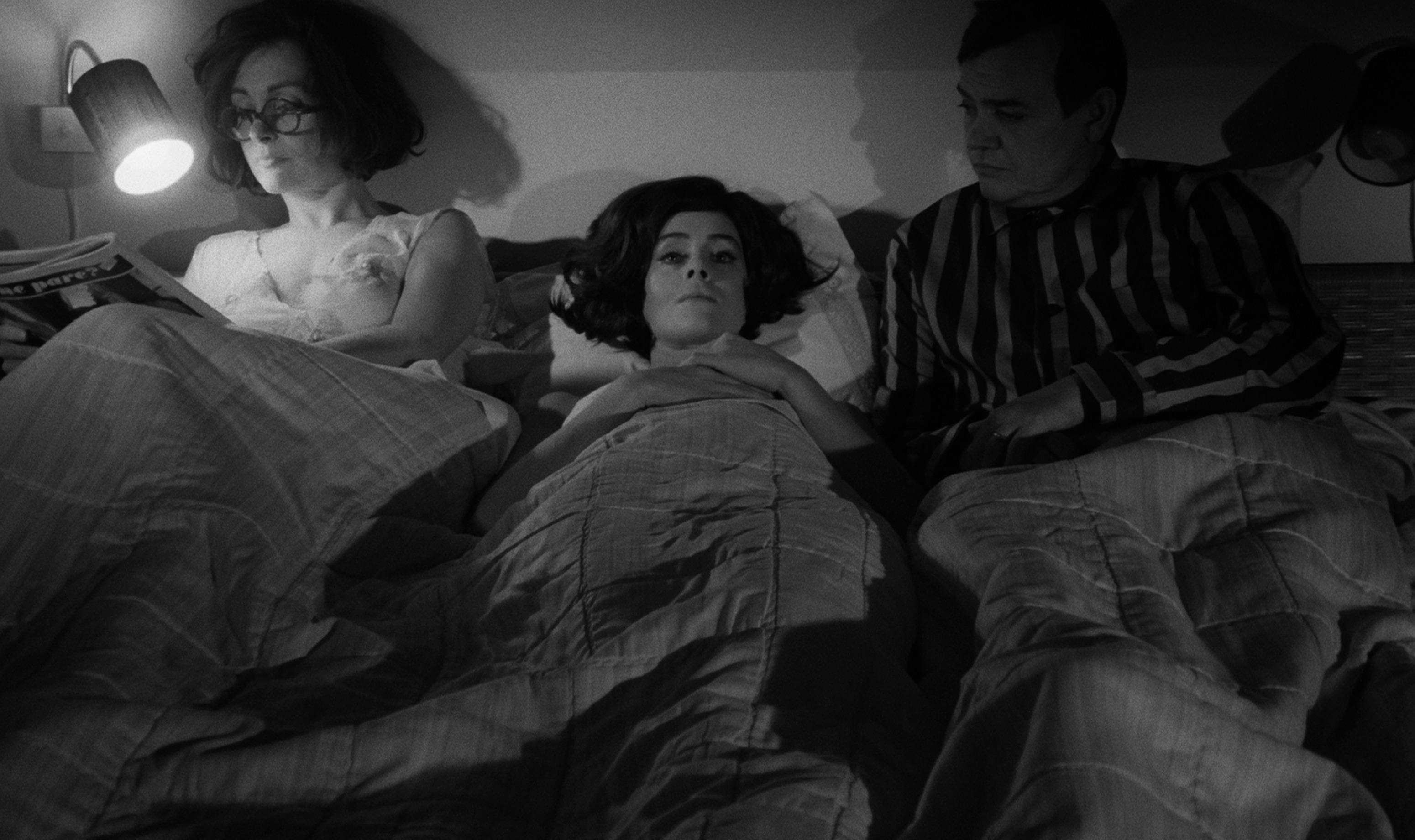
Essayist, novelist, critic, and all-around intellectual dynamo Susan Sontag made her directorial debut with this definition-defying, dryly funny psychological serio-comedy revolving around the quadrangular relationship between an arrogant ex-revolutionist German intellectual exile, his elegant wife, their Swedish student secretary, and the earnest secretary’s bride-to-be.
Fran Rubel Kuzui
If you were a teen or coming of age in the late ‘90s or early 2000s, then you likely felt the influence of Fran Rubel Kuzui. The director is best known for being a creator of Buffy the Vampire Slayer, both the 1992 film and the popular TV series starring Sarah Michelle Gellar. But before that, Kuzui got her start in filmmaking with the sweet and dazzling rock and roll love story Tokyo Pop. The film follows American aspiring rocker Wendy who pursues her dream in Tokyo with the help of a Japanese rocker named Hiro. The 1988 indie is like a colorful, neon-lit time capsule of Tokyo at the height of Japan’s economic bubble viewed through the lens of an American gaijin. Fun fact: The film’s opening titles were created by Keith Haring and Carol Burnett and Dolly Parton helped fund the 4K restoration of the film in 2023.
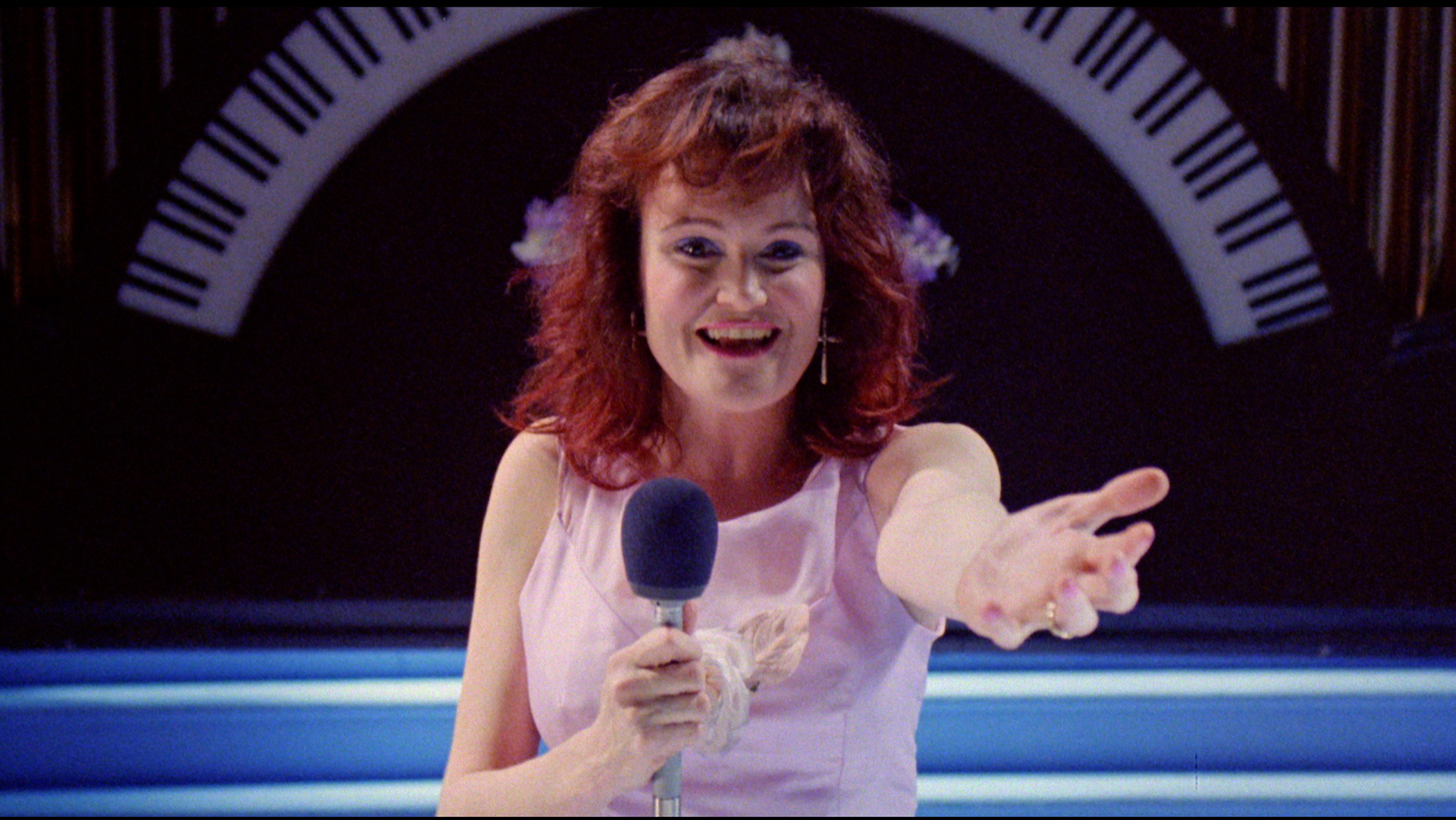
Tokyo Pop (1988)
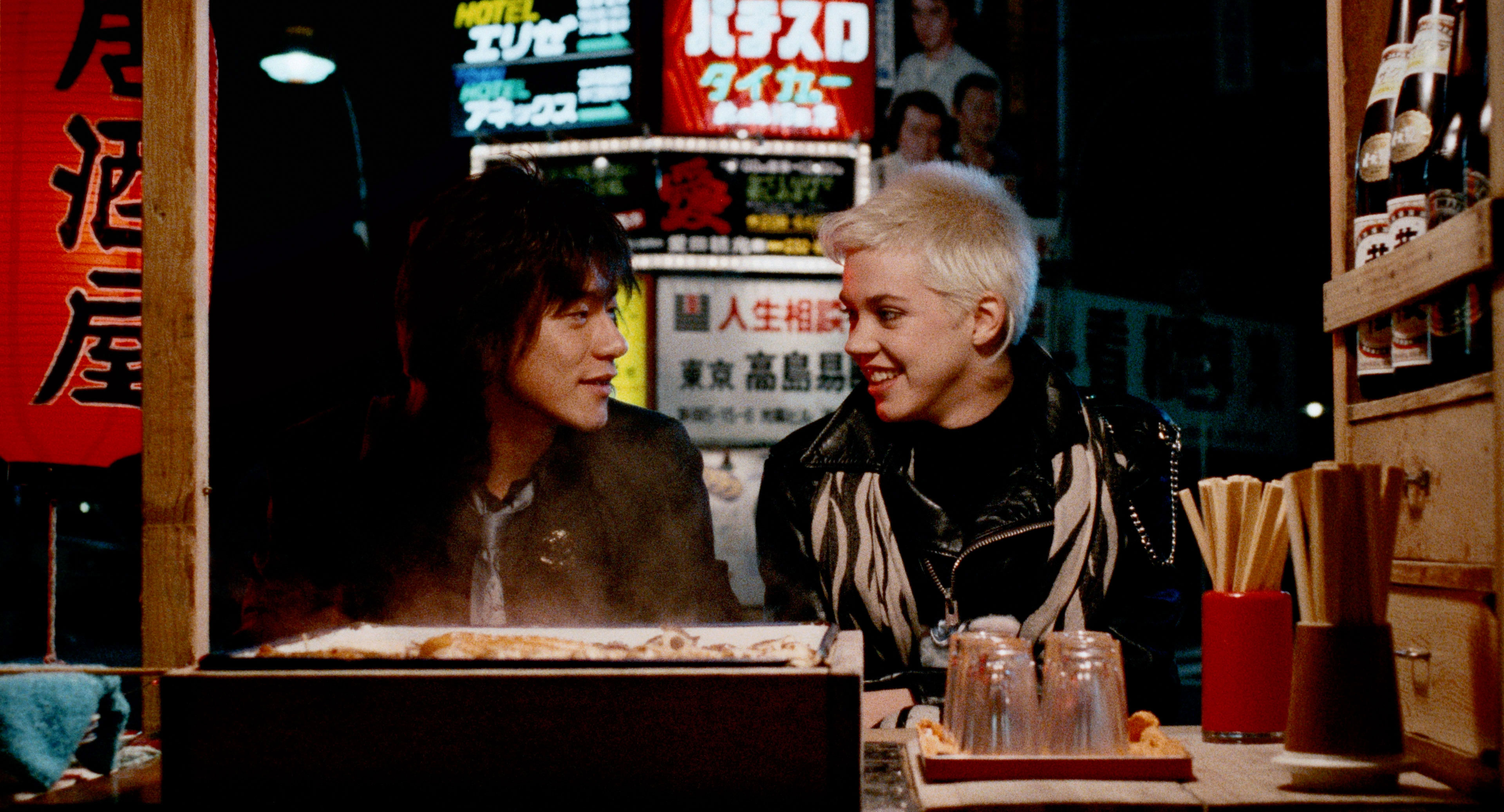
Aspiring rocker Wendy (Carrie Hamilton) hops on a plane to Tokyo with dreams of making it big. She forms a romantic and musical connection with Hiro (Diamond Yukai), whose band is looking for a lead singer and their big break. This underseen '80s indie gem by Fran Rubel Kuzui (Buffy the Vampire Slayer) offers a breezy tour through bubble era Tokyo with knowing nods to its vibrant pop culture.
Juliet Bashore
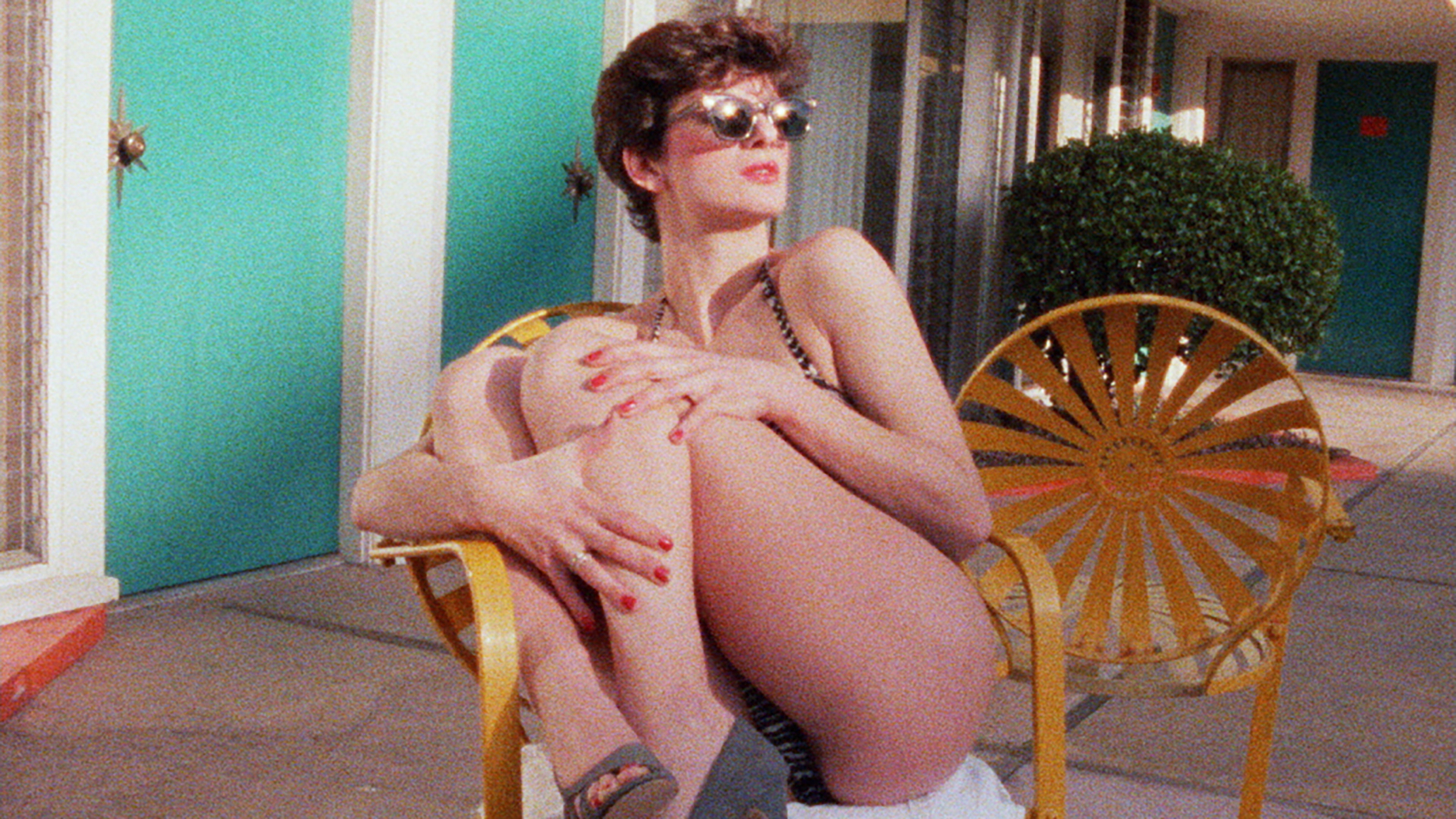
Her debut feature film, Kamikaze Hearts, received mixed reactions from critics and audiences, who found the quasi-documentary “distressing.” A mix of straightforward documentary and cinema verité examining the gritty underworld of San Francisco’s pre-gentrification sex industry and featuring queer characters entangled in a toxic romance, Kamikaze Hearts was simply ahead of its time. It’s a landmark film in the queer cinema canon, but it might not be the most defining moment in Bashore’s career. The director was allegedly fired from an animated children’s film about the North Pole for portraying Santa’s elves as gay. That right there should tell you exactly the kind of filmmaker Bashore is, and why she’s so beloved.
Kamikaze Hearts (1986)
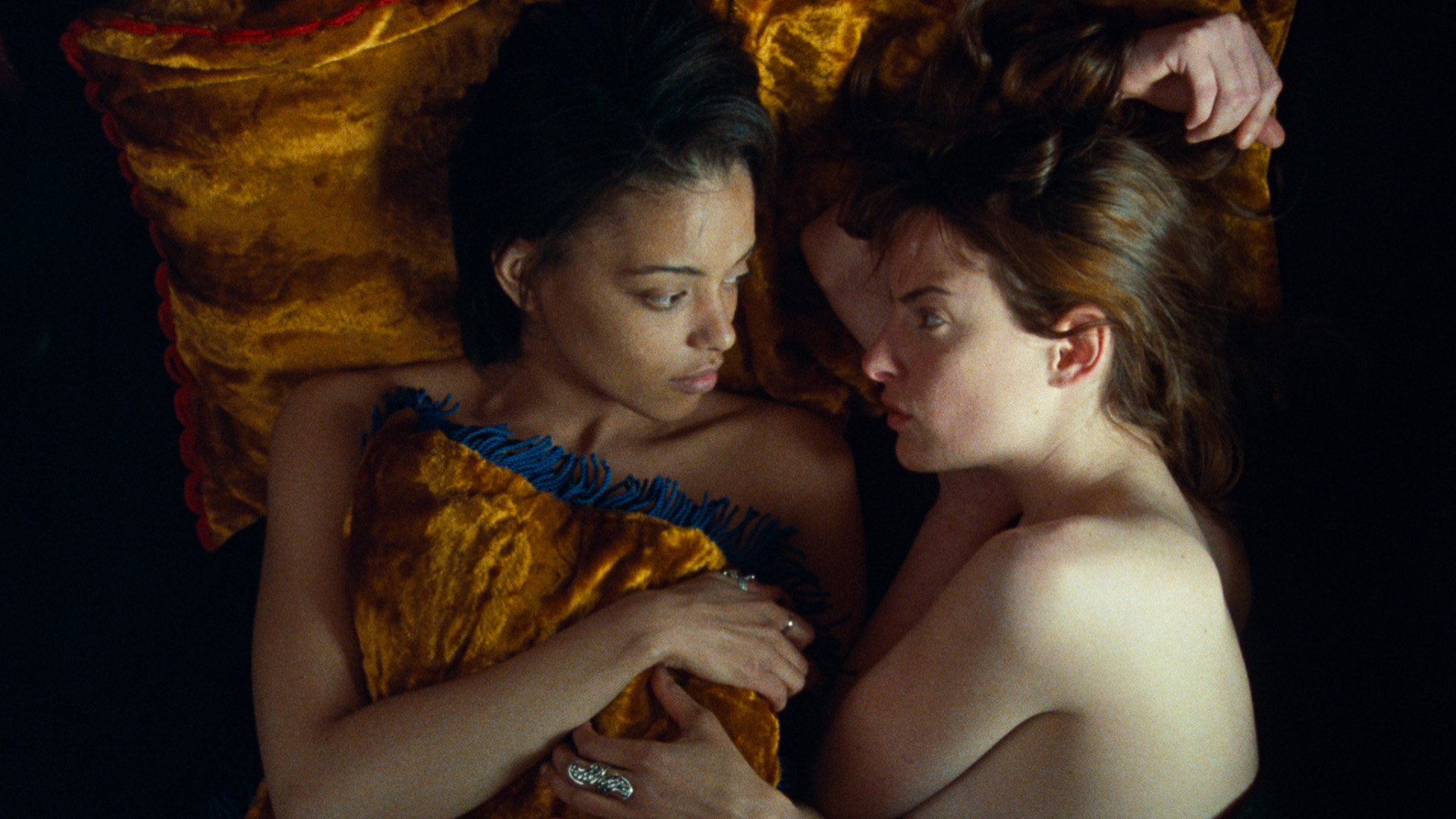
Alternately distressing, instructive, contestable, and fascinating, Juliet Bashore’s quasi-documentary plunges into the 1980s porn industry and takes an unsparing look at issues of misogyny, drug abuse, and exploitation via the story of two women—the naive newcomer Tigr and her partner, the magnetic, imperious porn veteran Sharon Mitchell — caught in a toxic romance.
Bette Gordon
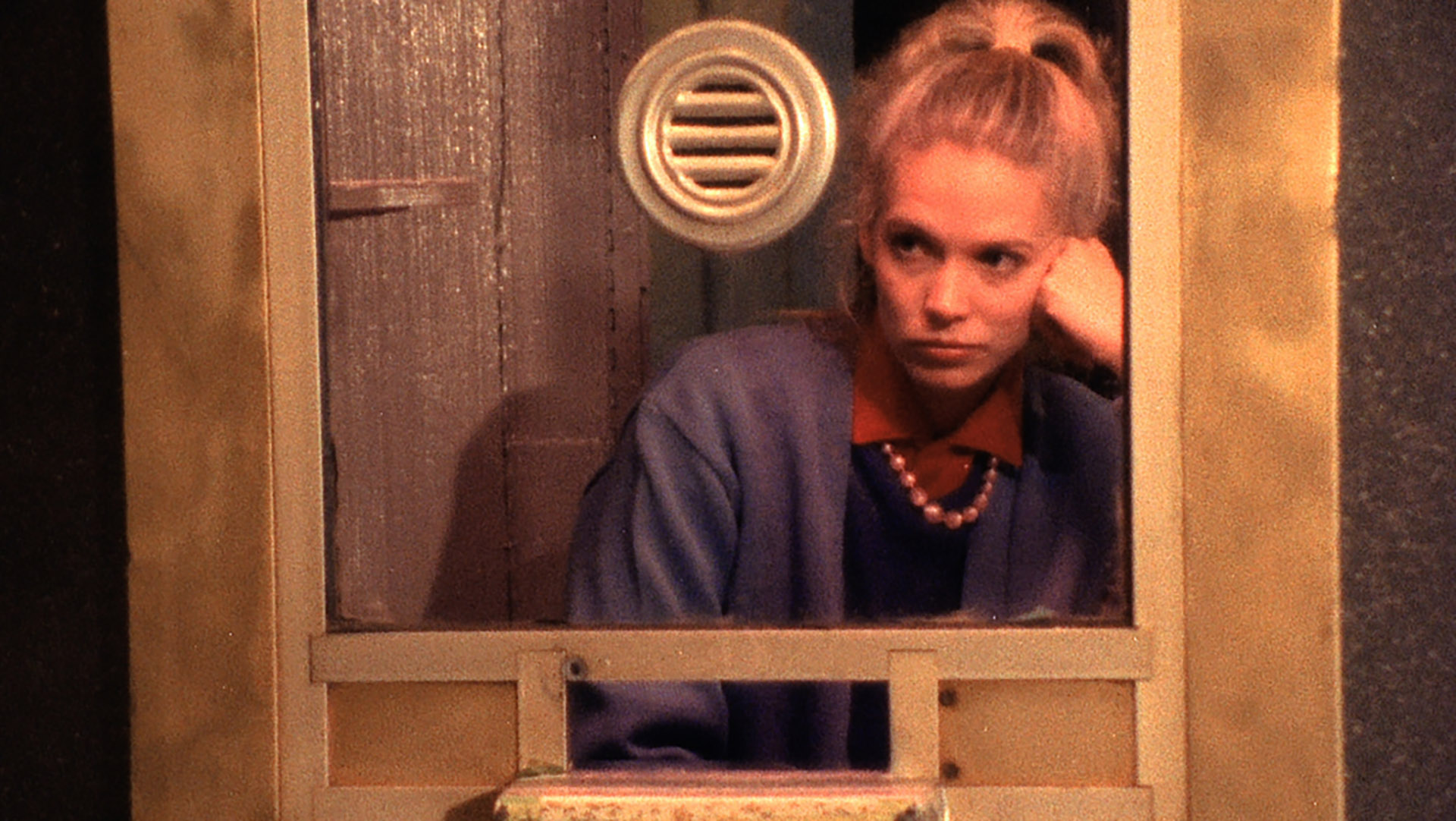
New York City circa 1983. A pornographic theater in Times Square. A pretty blonde woman. These sound like the ingredients to a slasher or neo-noir centered around the male gaze, but Bette Gordon’s Variety uses these elements to concoct an entirely new kind of narrative. Following Christine, who works the ticket booth at a porn theater, Variety examines pornography, voyeurism, and obsession through her point of view. The debut feature cemented Gordon as a powerful feminist voice in film. From there, Gordon has built a career of making independent films that explore the dark, hidden corners of the human condition. Gordon is also currently a film professor at Columbia University.
Variety (1983)
Emerging out of the underground NYC arts scene that produced the late 80's boom in American independent cinema, Bette Gordon's Variety is a sexually charged tale of a woman's journey of self-discovery after she takes a job selling tickets at a risqué Times Square movie theatre where she soon develops an obsession that begins to consume her life.
Nancy Kelly
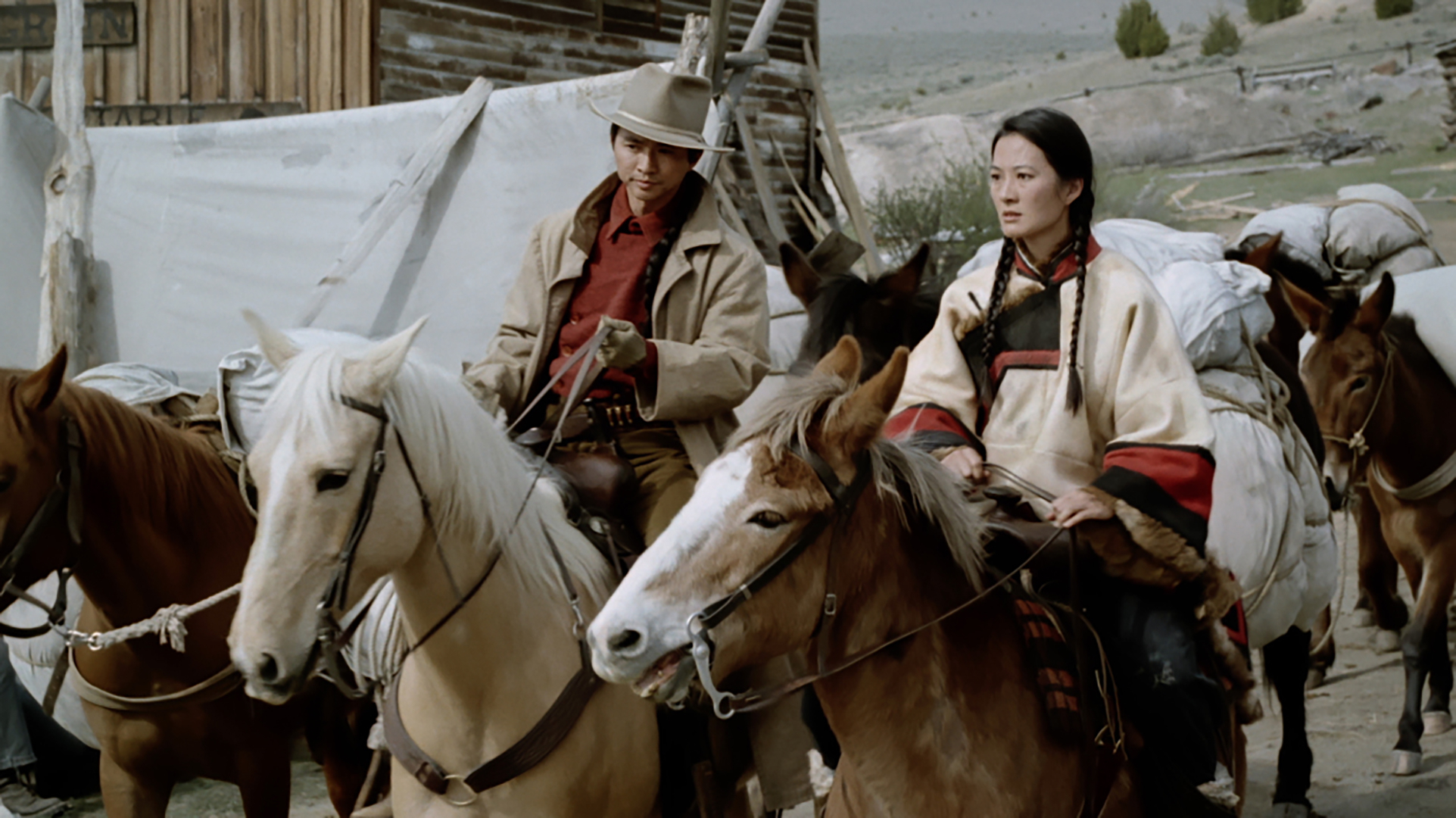
Very few directors can say they’re equally skilled with a lasso as they are with a camera—perhaps only one: Nancy Kelly. Before the self-taught filmmaker made her debut feature, Thousand Pieces of Gold, she was working as a ranch hand, successfully proving herself in an overwhelmingly male-dominated field. But Hollywood proved tougher. “It never occurred to me that breaking into the film industry would be harder than breaking a horse,” she told IndieWire. With the help of the Sundance Institute, Kelly was able to make Thousand Pieces of Gold, which earned her critical acclaim and comparisons to John Ford. Kelly is also the director of several award-winning documentaries, including the Frances McDormand-narrated Rebels With a Cause.
Thousand Pieces of Gold (1991)
Set in a mining town in the 1880s, Nancy Kelly's feminist Western Thousand Pieces of Gold won immediate acclaim for its portrayal of the real-life story of Lalu (Rosalind Chao), a young Chinese woman who fought for independence and freedom in the Wild West after her desperately poor parents sold her into slavery.
Greta Schiller
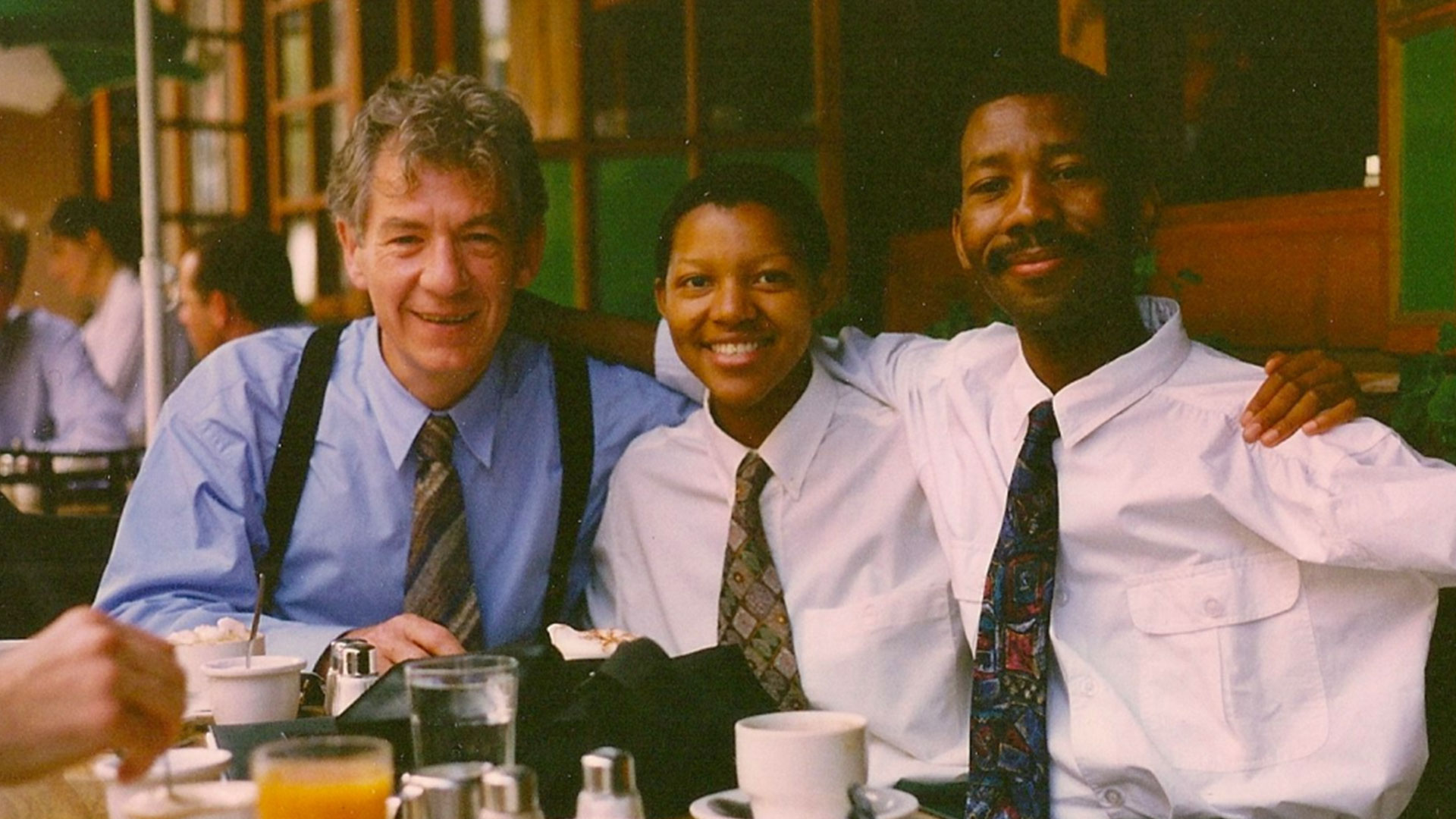
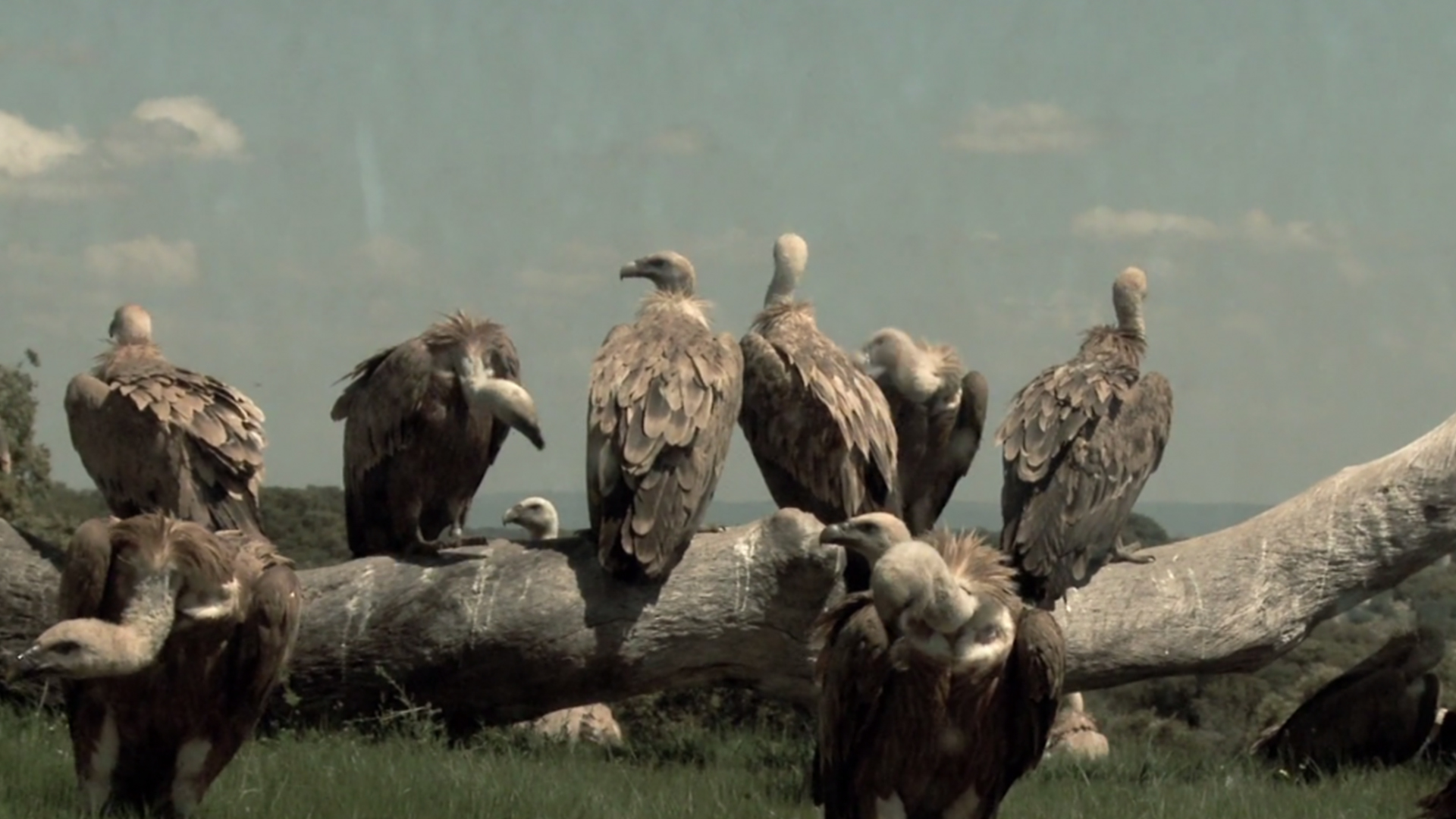
Greta Schiller is an award-winning director whose films have screened at the most prestigious international film festivals for more than 40 years, making her one of the longest-working independent filmmakers of her generation. Schiller is also an icon of queer storytelling, gaining international recognition for her 1984 debut documentary feature, Before Stonewall, and her 1998 documentary The Man Who Drove With Mandela, about a gay theater director who was arrested with Nelson Mandela during the height of apartheid. The latter won Best Documentary at the 1999 Berlinale. Since then, Schiller has widened her aperture with her 2020 environmental doc The Land of Azaba examining the power of ecological restoration.
The Man Who Drove With Mandela (1998)
In 1962, at the height of oppression in apartheid South Africa, a gay white theater director was arrested with Nelson Mandela. His name was Cecil Williams. This is his story. Winner of the Best Documentary award at the 1999 Berlin Film Festival.
The Land of Azaba (2020)
Ecological restoration is a worldwide movement intended to turn back the tide of mass extinction and restore planet earth to ecological balance. The Land of Azaba immerses the viewer in a magical world where humans and wildlife work together, increasing and maintaining biodiversity, to restore the largest remaining tract of wild nature in western Europe, Campanarios de Azaba Nature Reserve.
Ildikó Enyedi
Hungarian-born director Ildikó Enyedi may be best known for her Academy Award®-nominated film On Body and Soul (2017), but she first gained international acclaim almost 30 years earlier. Her first feature film, My 20th Century, a sci-fi fairytale about twin sisters who were separated at birth, won the Golden Camera award at the 1989 Cannes Film Festival. The film launched a decades-long career of crafting genre-defying stories that explore the mysteries of the human soul with touches of fantasy, sci-fi, and mythology. Today, Enyedi is giving back to the festival circuit as a jury member of the Tokyo International Film Festival. “Festivals are the allies of the filmmakers,” she told Variety. “They help to uncover the truth of our work as filmmakers.”
My 20th Century (1989)
Ildikó Enyedi’s fairytale-like, unconventional ironic film luminaire was awarded the Camera d'Or at Cannes in 1989. On the eve of the 20th century, two twins who were separated as young girls, Lili the anarchist and Dóra a luxurious woman of loose morals, along with Mr. Z. who loves them as an entity, all reach the Hungarian border at the same time on board the Orient Express.
Agnieszka Holland
Over the course of Agnieszka Holland’s impressive 50-year career, the Polish director has been nominated for three Academy Awards® and dozens of prestigious accolades for being a relentless and fearless voice in political resistance. From Europa, Europa (1990), about a German-Jewish boy who pretended to be a Hitler youth to survive the Holocaust; to In Darkness (2011), about a Polish sewer worker who hides a group of Jewish refugees underground in the Polish city of Lvov; to her most recent masterpiece, Green Border (2023), about the shocking and heartbreaking humanitarian crisis at the Polish-Belarusian border. Kino Lorber sat down with Agnieszka Holland last November to discuss Green Border and its urgent message for the international community. “Empathy is an overused word but I really believe it’s the most important part of the human soul,” Holland said. “And if you [lose it], you don’t have a future.”
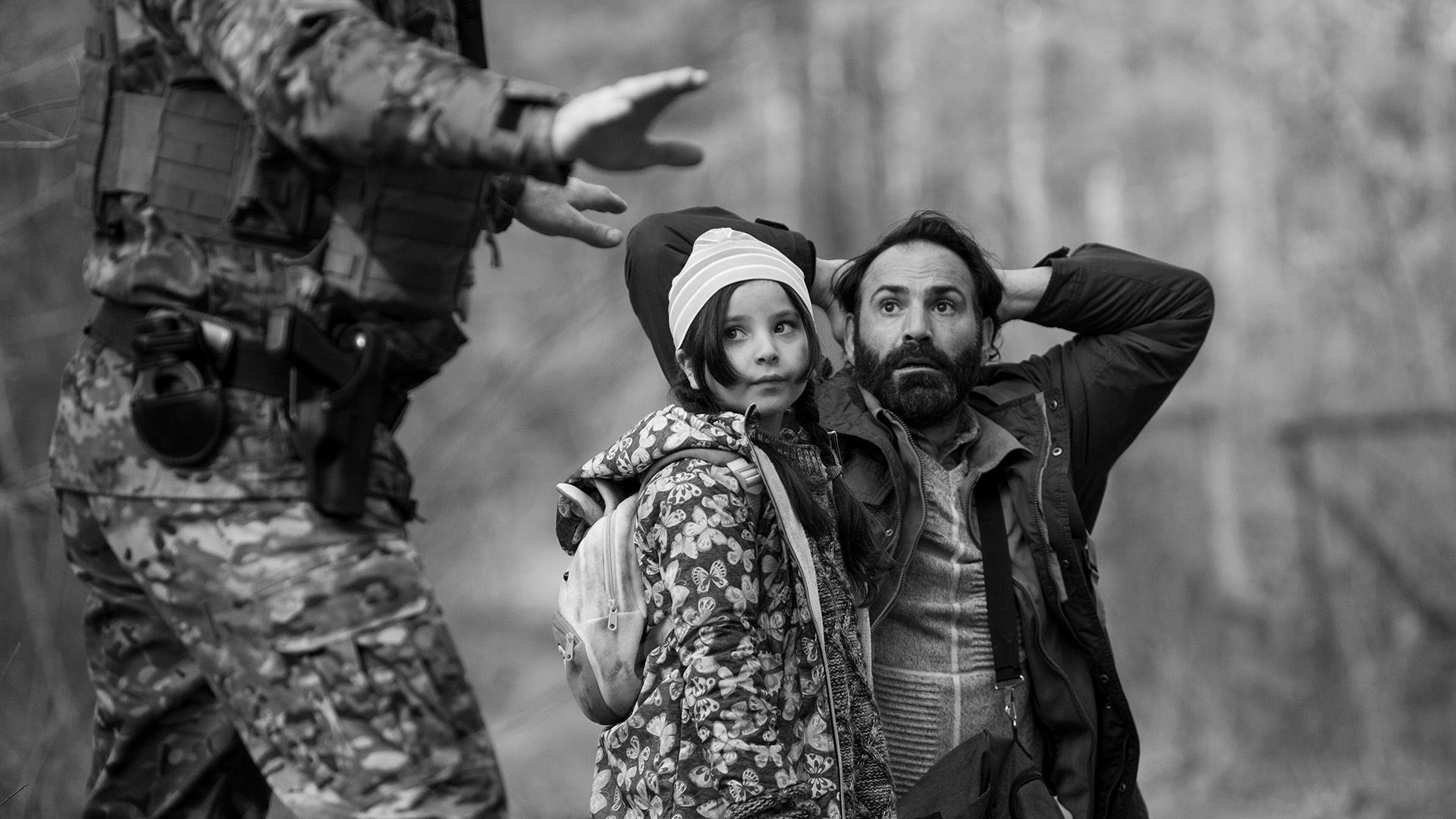
Green Border (2023)
Oscar nominee Agnieszka Holland (Europa Europa) brings her masterful filmmaking eye and deep compassion to this portrait of the so-called “green border” between Belarus and Poland – where refugees are lured by government propaganda promising easy passage to the European Union – and the migrants, border guards, and activists whose lives collide there.
Beth B
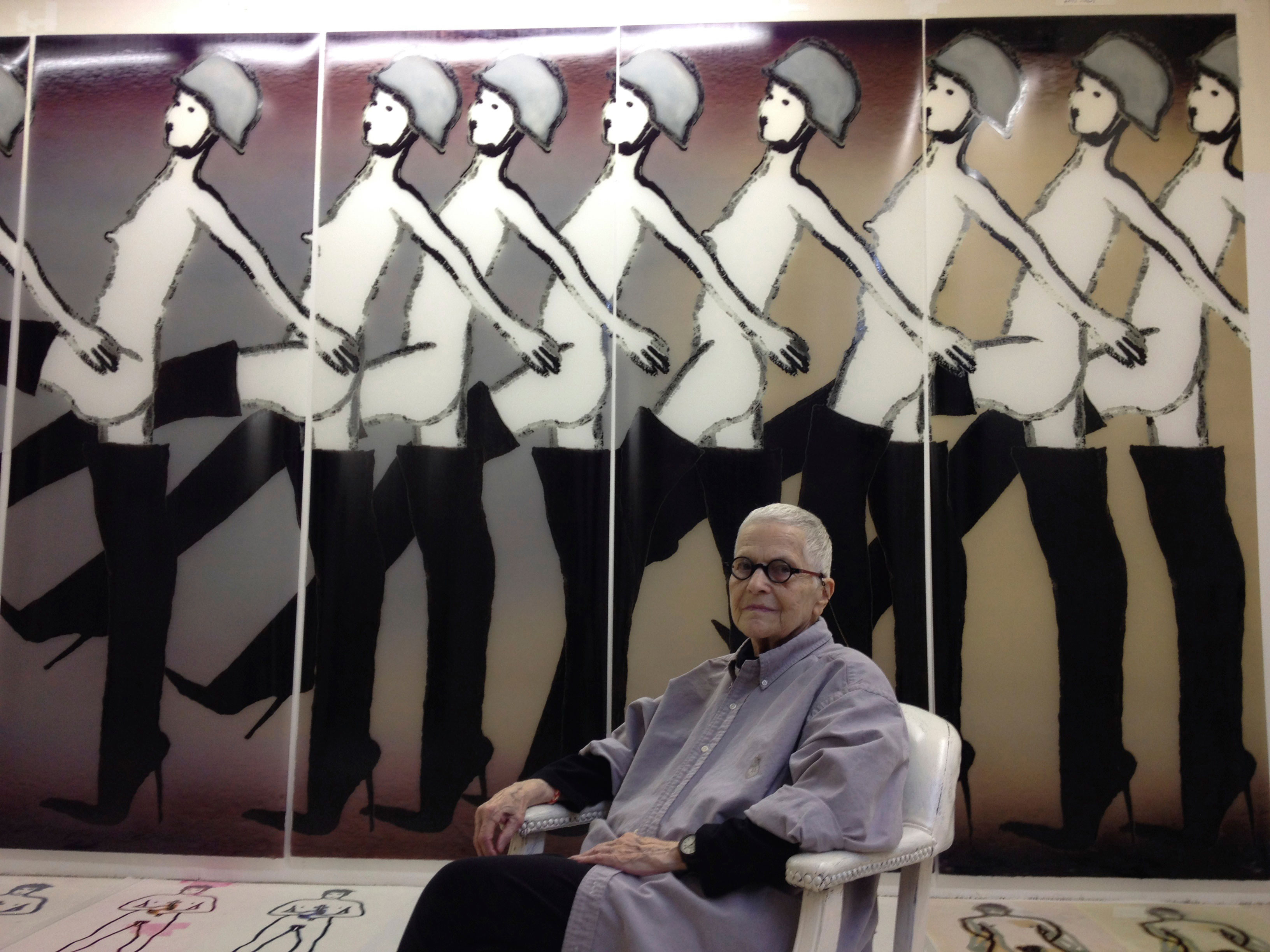
Beth B has been a pivotal figure in New York City’s underground scene since the 1970s. Starting out in the city’s No Wave film movement, Beth B has been making provocative independent narrative, documentary, and experimental films for more than 45 years. Her work often examines and challenges power structures, sexual repression, and heteropatriarchal control. The daughter of equally provocative New York artist Ida Applebroog, whom Beth B documents intimately in Call Her Applebroog, the director has never wavered from her underground roots or compromised her focus. In a conversation with Interview Magazine, Beth B explains: “I think the subjects that my films delve into, queerness, trans[ness], war, sex. Trauma, trauma, trauma! Emotional disturbance, insanity. All these subjects, they’re lifelong.”
Lydia Lunch: The War Is Never Over (2021)
Lydia Lunch: The War Is Never Over by Beth B is the first career-spanning retrospective of Lydia Lunch’s confrontational, acerbic and electric artistry. As New York City’s preeminent No Wave icon from the late 70’s, Lunch has forged a lifetime of music and spoken word performance devoted to the utter right of any woman to indulge, seek pleasure, and to raise voice in a rage as loud as any man.
Salvation! (1987)
In this prophetic satire by Beth B, a laid-off factory worker (Viggo Mortensen) enlists the aid of his sister-in-law (Dominique Davalos) to abduct and blackmail a sex-obsessed TV minister (Stephen McHattie). But when Rev. Randall meets Jerome’s true-believer wife, Rhonda (Exene Cervenka of the punk band X), he realizes she is an evangelical rock star in the making.
Two Small Bodies (1994)
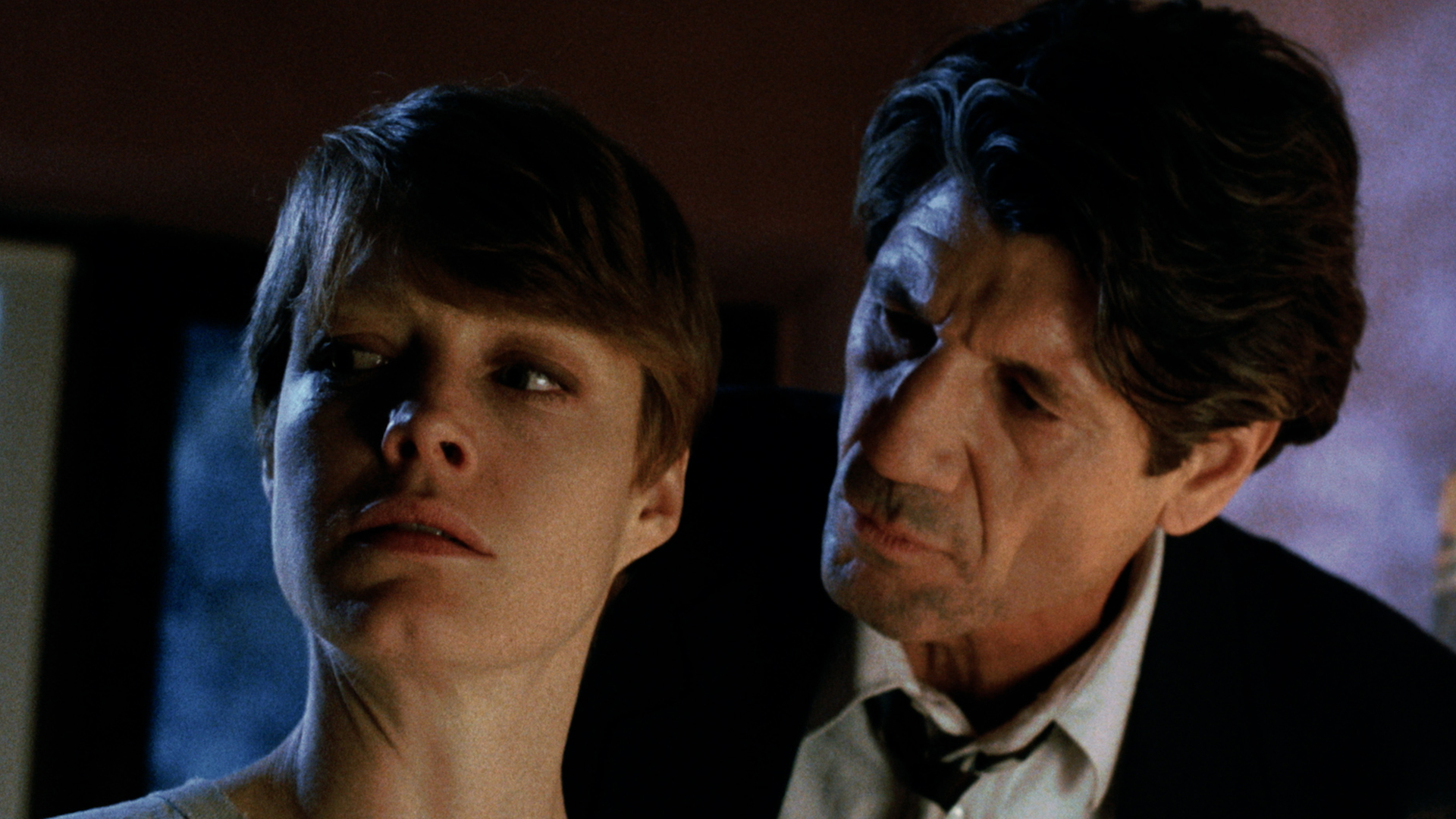
After the disappearance of her two children, a nightclub hostess (Suzy Amis) is confronted in her home by an aggressive police lieutenant (Fred Ward) who subjects her to a series of ruthless interrogations. Directed by Beth B and based on the play by Neal Bell, Two Small Bodies manages to be both a psychological thriller and a provocative dissection of the politics of sex and power.
Call Her Applebroog (2016)
This deeply personal portrait of acclaimed New York–based artist Ida Applebroog was shot with mischievous reverence by her filmmaker daughter, Beth B (Exposed). Born in the Bronx to Orthodox Jewish émigrés from Poland, Applebroog looks back at how she expressed herself through decades of drawings and paintings, as well as her private journals.
Kathleen Collins
Kathleen Collins was many things — playwright, professor, novelist — but above all, she was a filmmaker committed to portraying the interior lives of Black women with intelligence and nuance. In 1982, she directed Losing Ground, one of the first feature films directed by a Black woman to receive a theatrical release in the United States. A sharp, quietly radical exploration of marriage, artistic ambition, and self-discovery, the film defied the narrow roles available to Black women on screen at the time. Though overlooked upon its initial release, Collins’ work has since been rightfully restored to its place in the canon of American independent cinema.
Losing Ground (1982)
The inimitable Kathleen Collins's second film is the story of two remarkable people: Sara Rogers, a Black professor of philosophy who embarks on an intellectual quest just as her painter husband, Victor, sets off on an exploration of joy. One of the first features by an African-American woman, Losing Ground remains a powerful, funny, brilliant, and personal member of indie cinema canon.
Bridgett M. Davis
Writer, professor, and filmmaker, Bridgett M. Davis has long examined the politics of image-making and identity. Her debut feature, Naked Acts (1998), boldly confronts colorism, artistic compromise, and the pressures placed on Black actresses within the film industry itself. At once satirical and deeply personal, Naked Acts pulls back the curtain on who gets to be seen — and how.
Naked Acts (1996)
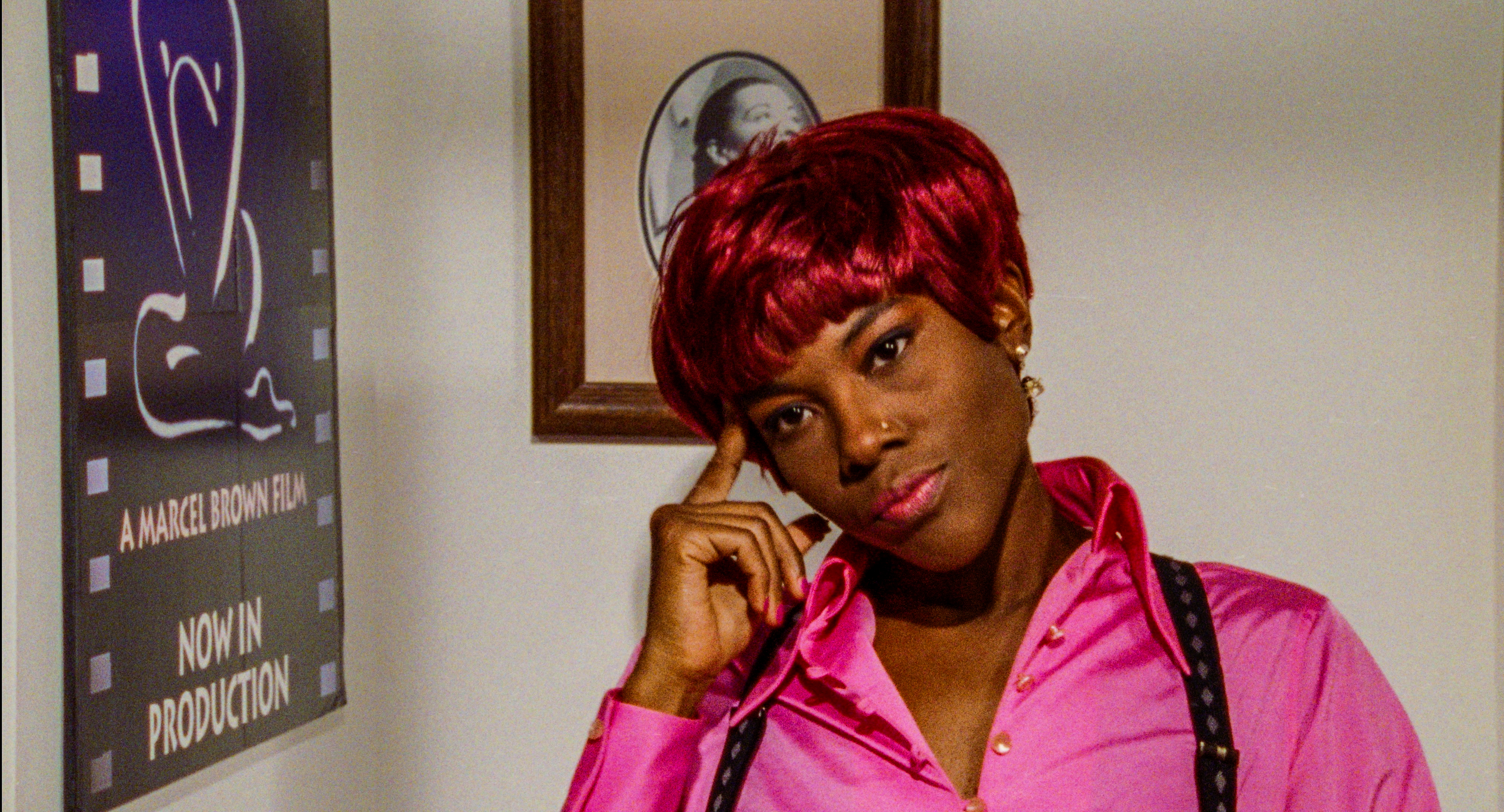
In this key '90s Black indie, aspiring actor Cicely (Jake-ann Jones) has just landed her first major role, but there's a big problem: it requires a nude scene. Her mother was a Blaxploitation star known for her sex appeal and Cicely harbors a strong aversion to disrobing in public. Now, with the support of her boyfriend Joel (Ron Cephas Jones), she attempts to get past her fear.
Ayoka Chenzira
A true media pioneer, Ayoka Chenzira has spent her career blending narrative filmmaking, animation, and digital experimentation to expand the possibilities of storytelling. With Alma’s Rainbow (1994), Chenzira crafted a vibrant, candid coming-of-age story about a Brooklyn teenager navigating sexuality, family, and self-discovery. Long ahead of its time, the film captures the humor and tenderness of adolescence while centering young Black womanhood without apology.
Alma's Rainbow (1994)
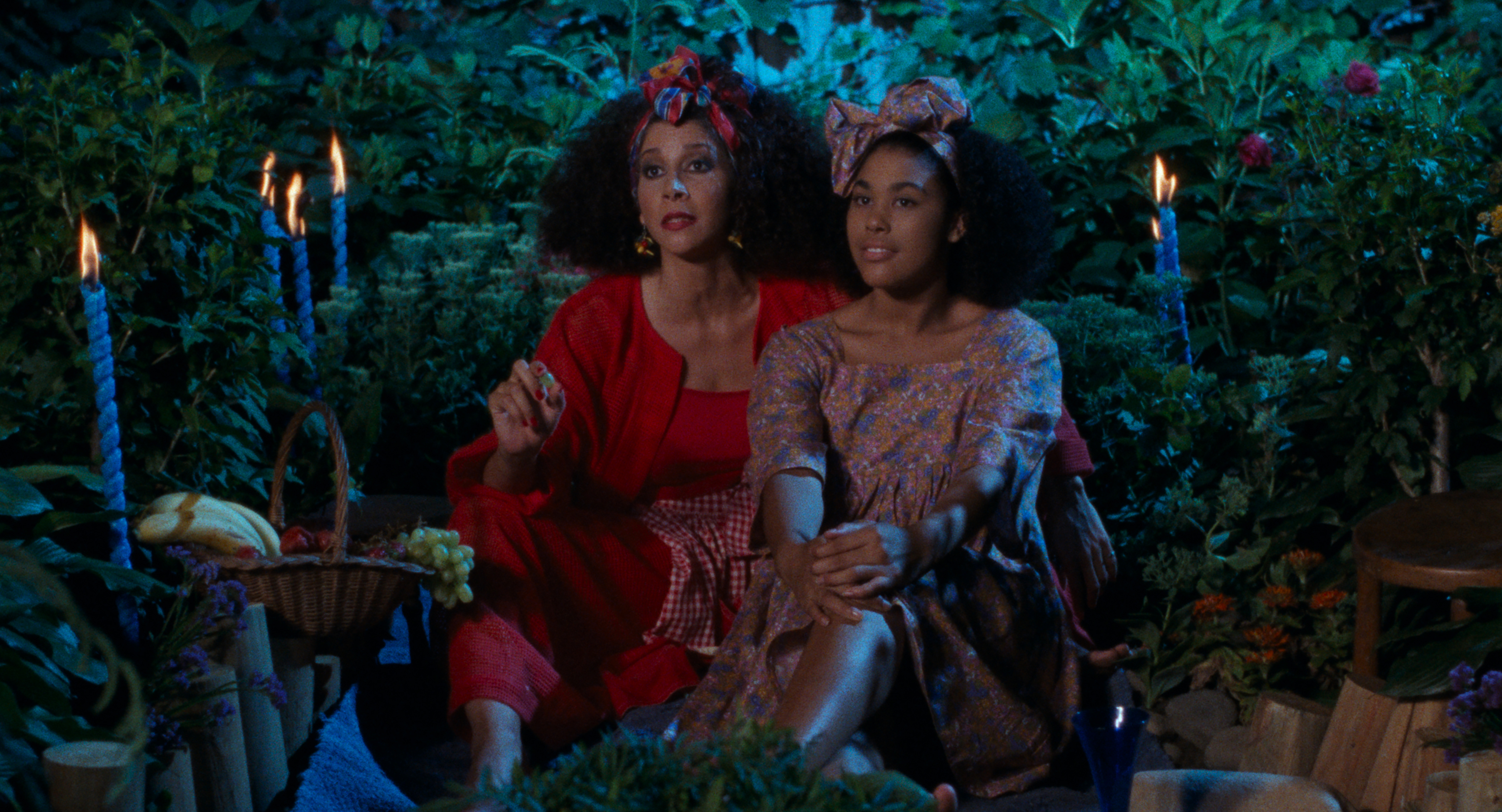
An essential film in the ‘90s Black cinema canon, Ayoka Chenzira's overlooked classic Alma's Rainbow is a coming-of-age comedy-drama about three Black women living in Brooklyn who live, love, and wrestle with what it means to exert and exercise their agency.


.jpg)


.jpg)