


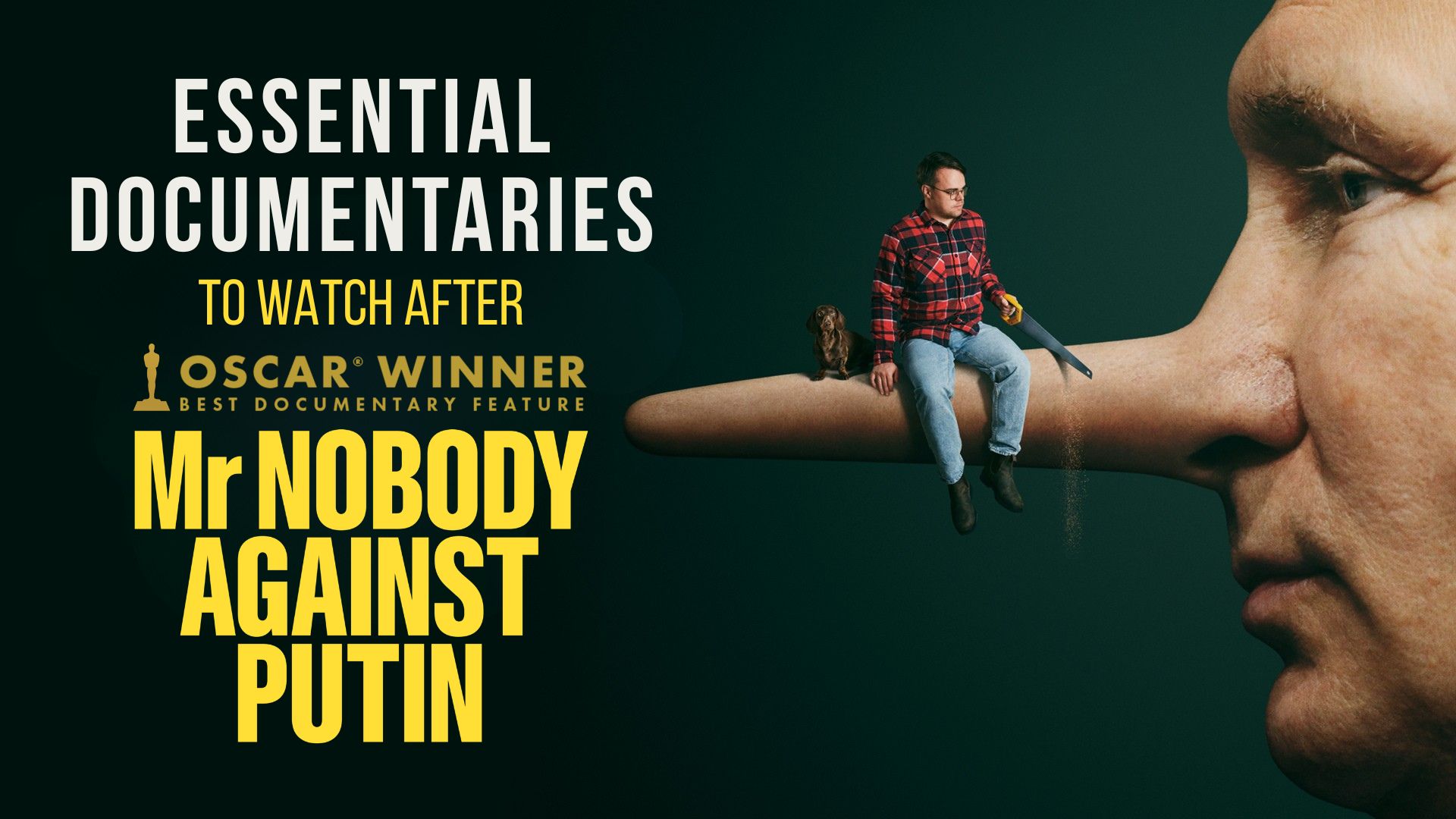
What to Watch After 'Mr. Nobody Against Putin'
Director David Borenstein said it best at the 2026 Academy Awards: Mr. Nobody Against Putin is about "how you lose your country" through countless small acts of complicity rather than any single dramatic rupture.
These other documentaries approach that theme from every angle: propaganda as art form, the camera as an act of resistance, justice sought through film, and the quiet heroism of ordinary people caring for others in impossible circumstances.
From Leni Riefenstahl's chilling blueprint for state spectacle to a Palestinian farmer filming his own dispossession, from a Tunisian mother's fractured family to a French village schoolroom, they ask how images shape what we believe, who we become, and what we owe each other.

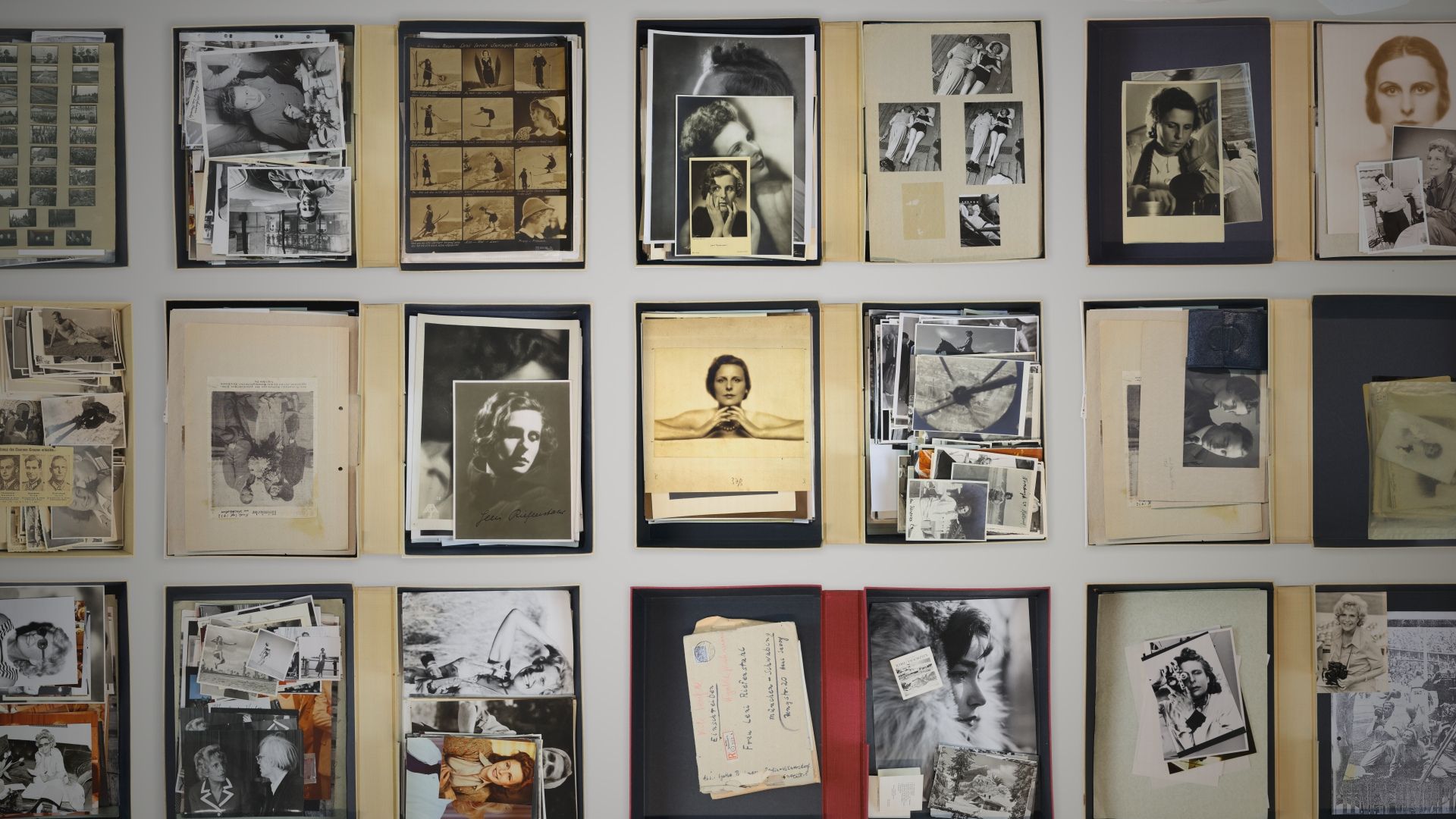
Riefenstahl (2024)
Leni Riefenstahl was Nazi Germany's preeminent filmmaker and one of its key propagandists. Yet from the end of WWII until her death, she denied her close ties with Hitler and claimed ignorance of the Holocaust. This chilling new documentary draws on never-before-seen documents from Riefenstahl's estate, uncovering fragments of her biography and placing them in an extended historical context.
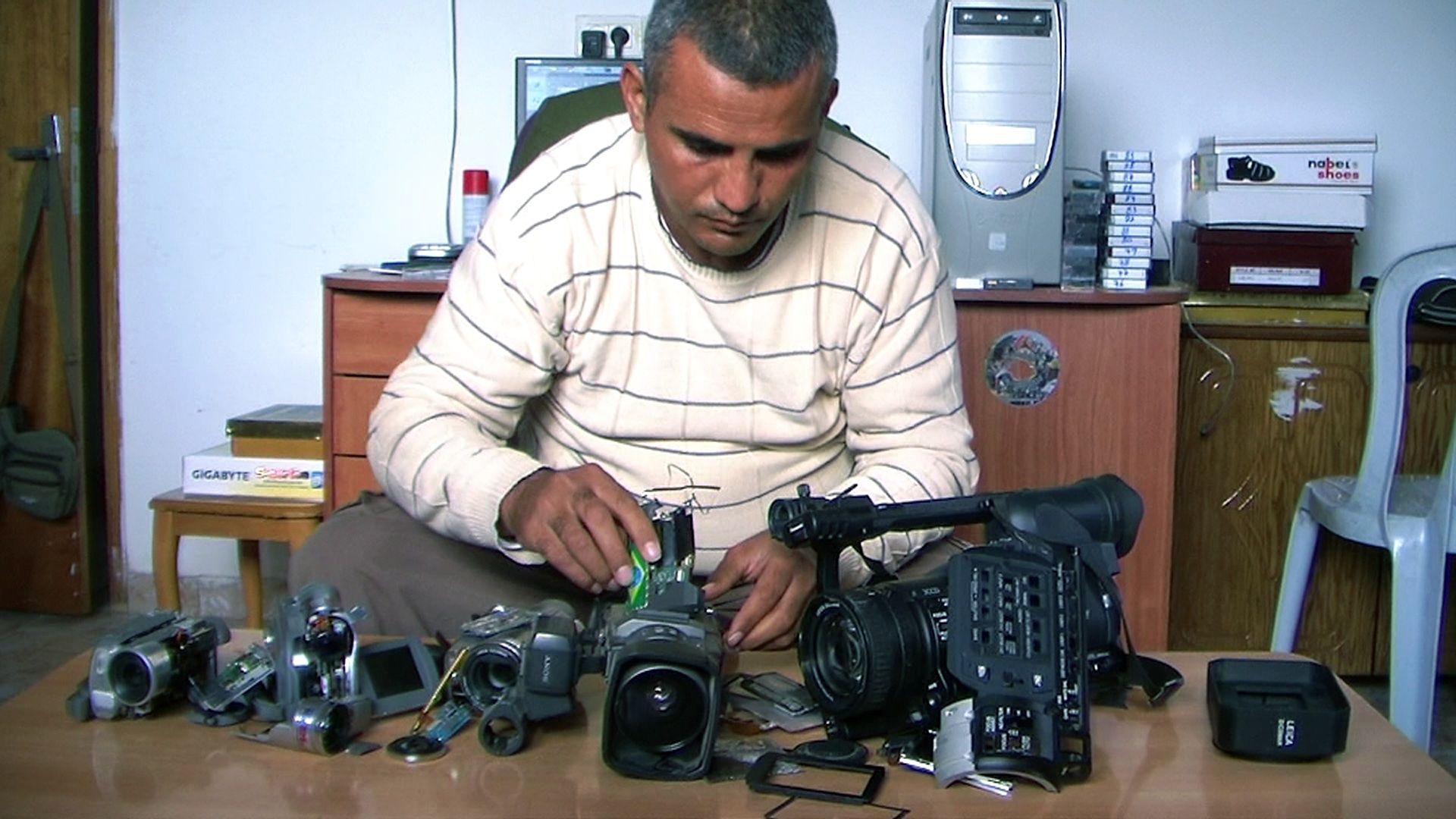
5 Broken Cameras (2011)
An extraordinary work of cinematic and political activism, this Academy Award-nominated film is a firsthand account of nonviolent resistance in a West Bank village threatened by Israeli settlements. Structured around the destruction of a succession of self-taught Palestinian cameraman Emad Burnat's video cameras, “5 Broken Cameras” follows one family's evolution over five years of village turmoil.
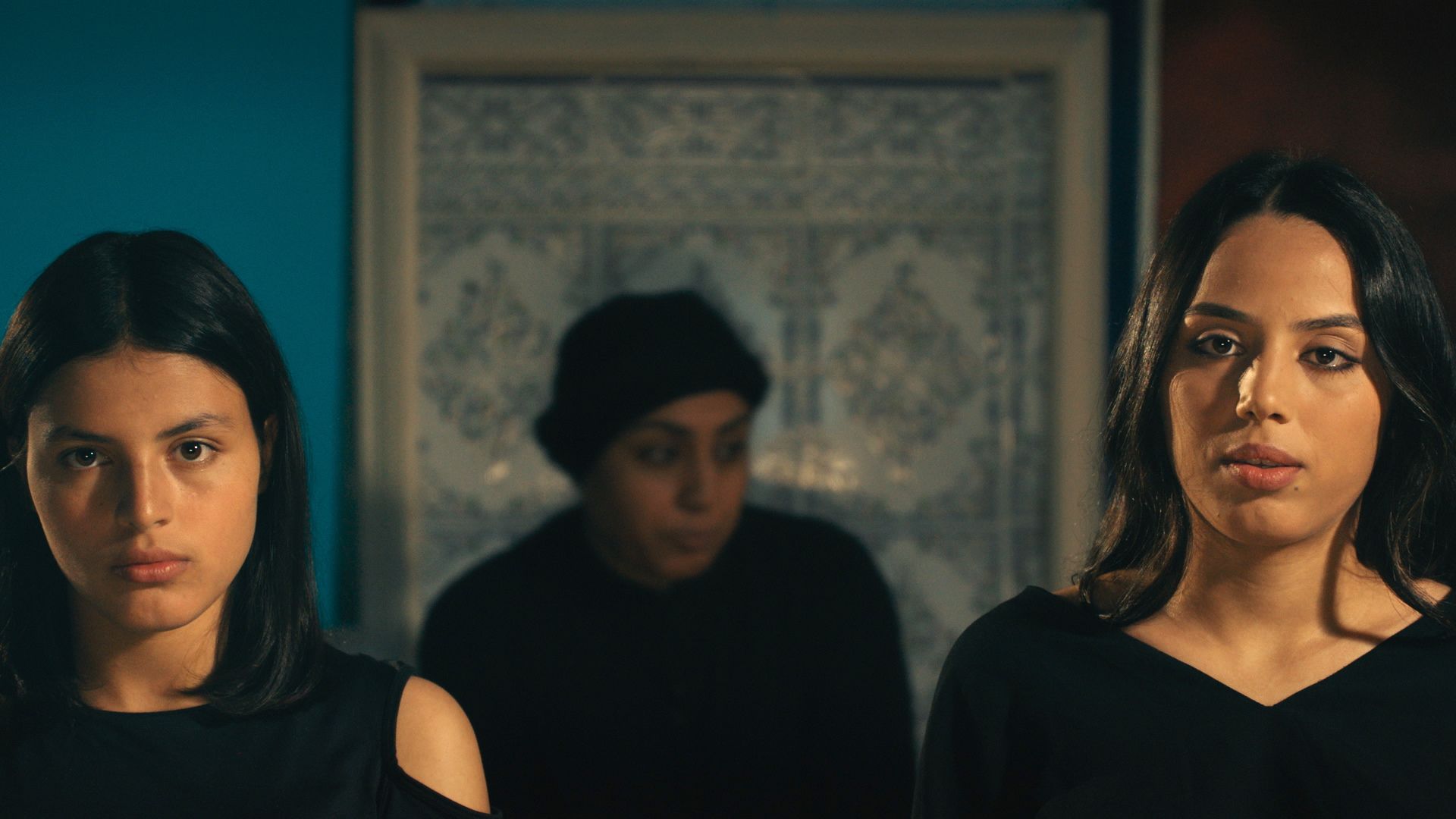
Four Daughters (2023)
Winner of the Best Documentary prize at Cannes and the Gotham Awards, this riveting documentary by Oscar-nominated filmmaker Kaouther Ben Hania uses an audacious formal conceit to tell the story of Olfa Hamrouni and her four daughters. Attempting to answer the question of how and why the Tunisian woman’s two eldest were radicalized, Ben Hania reveals a complex family history.
Filmmakers for the Prosecution (2022)
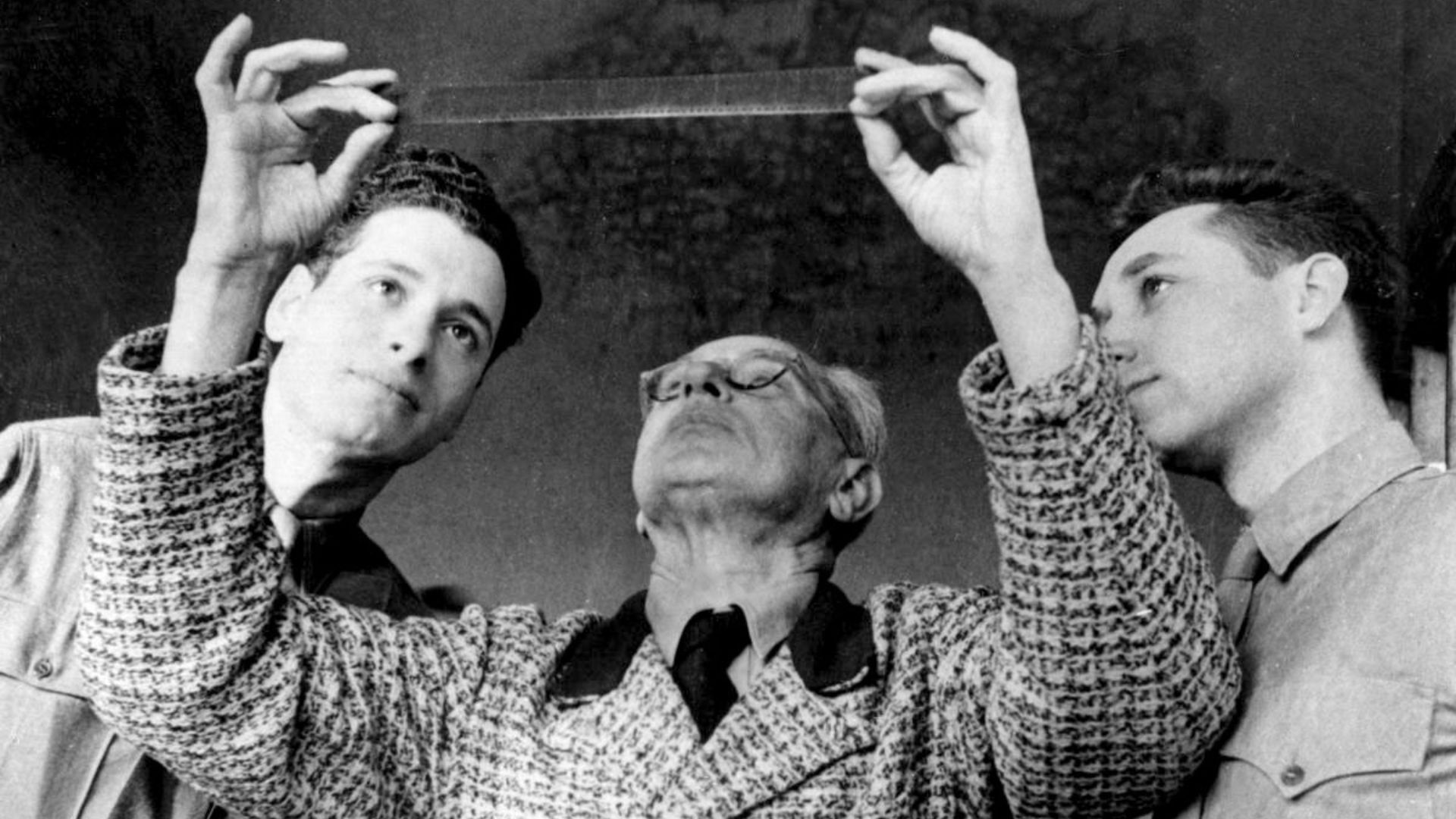
"Filmmakers for the Prosecution" retraces the hunt by brothers Budd and Stuart Schulberg for film evidence that would be used to convict the Nazis at the Nuremberg Trial. Seventy-five years later, Jean-Christophe Klotz uncovers never-before-seen footage and interviews key figures to unravel why the resulting film about the trial was intentionally buried by the U.S. government.
To Be and To Have (2002)
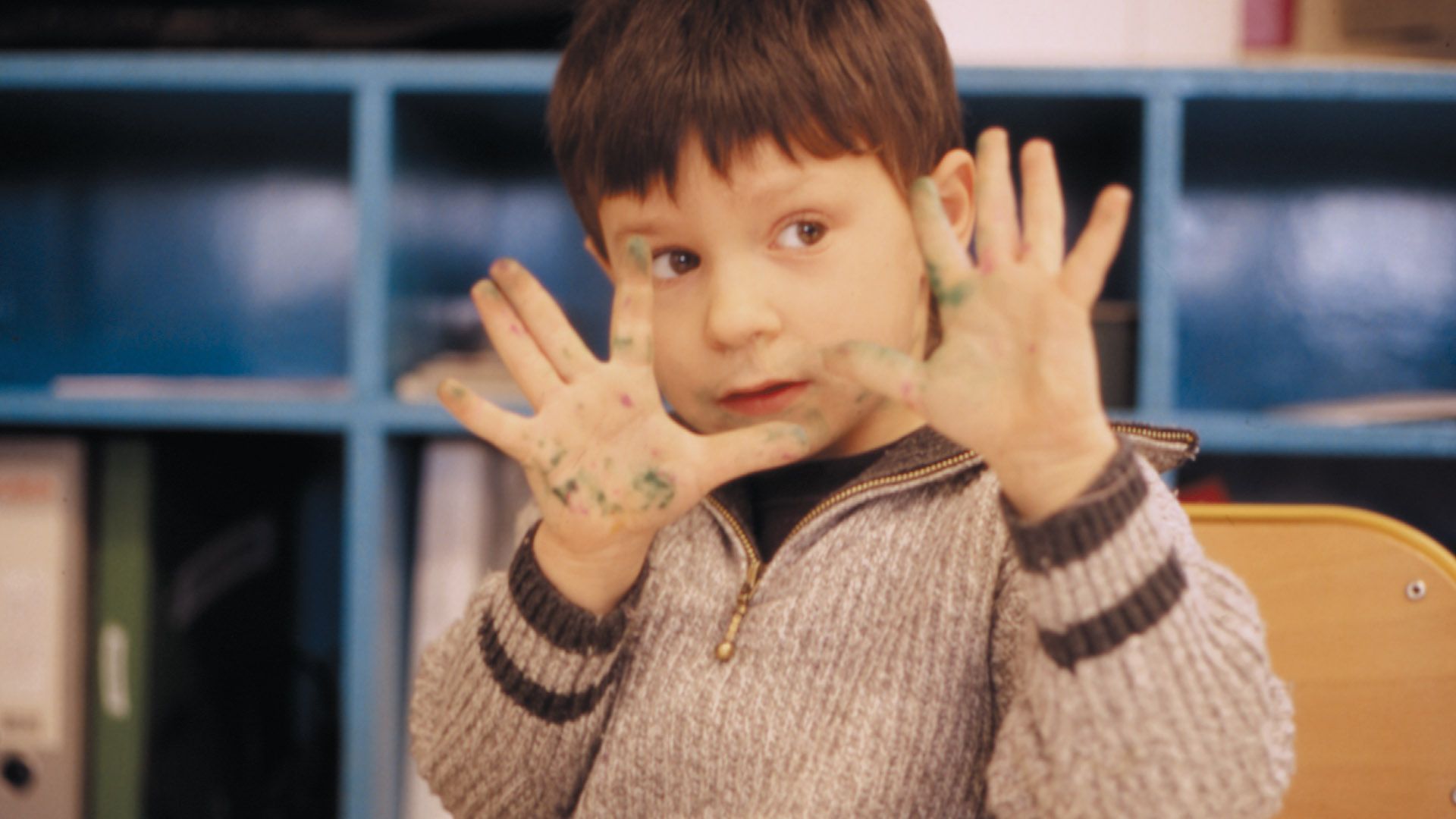
The one-room schoolhouse, where one teacher instructs several grades at once, is generally regarded as a quaint thing of the past. However, Nicolas Philibert offers an in-depth look at a small school in rural France where one remarkable man has been doing the job of a small teaching staff for 20 years, and has taught several generations of bright and capable children along the way.
Put Your Soul on Your Hand and Walk (2025)
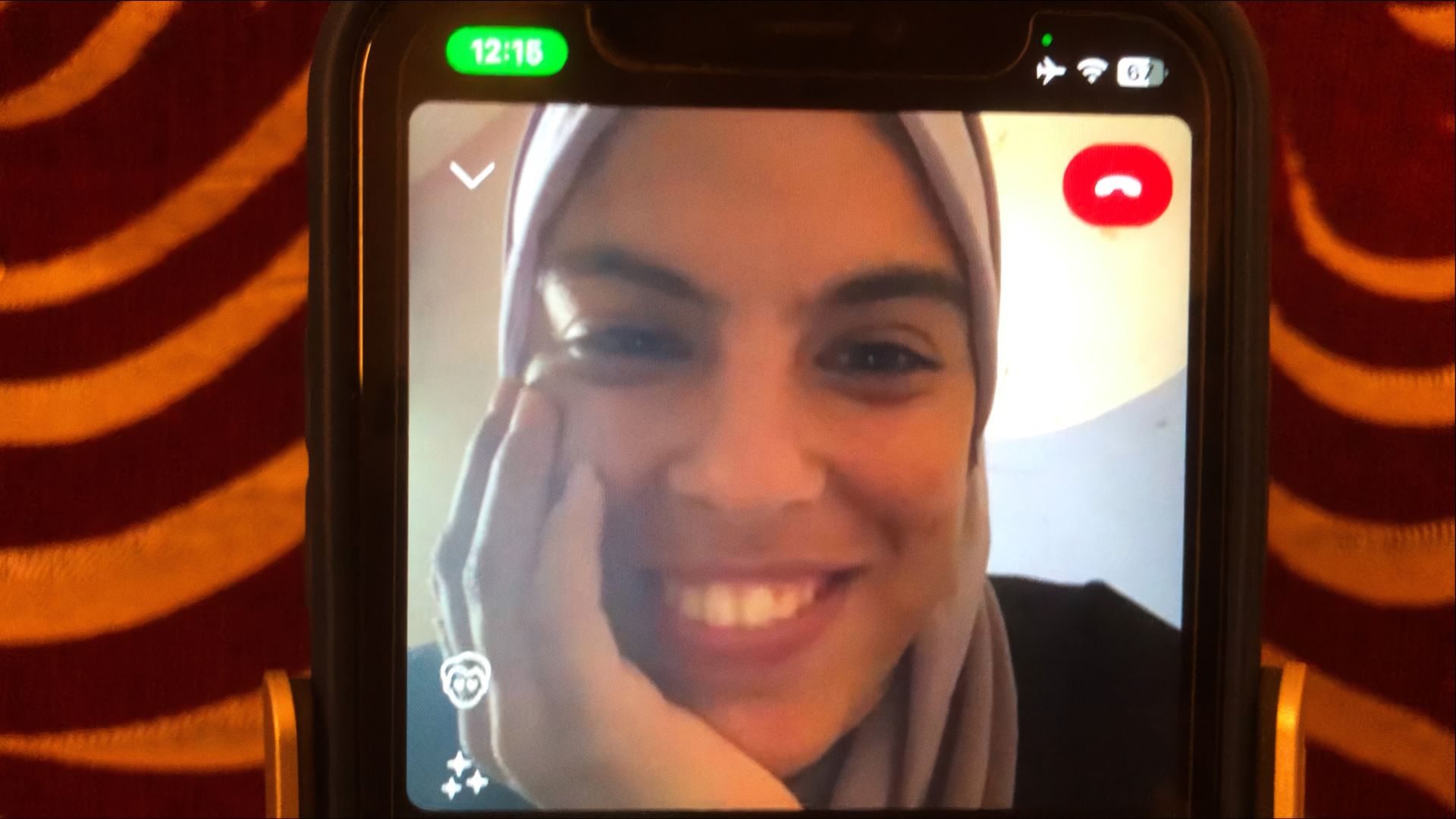
This intimate, first-hand perspective on life under siege in Gaza is told through video calls between director Sepideh Farsi and 25-year-old Palestinian photojournalist Fatma Hassona, whose generation is trapped in an endless cycle of war, starvation, and resistance. Combining raw immediacy with deep humanity, this essential document now stands as a heartfelt memorial and final testament.